Entry Policy
China Visa-Free Policy 2026: Russia Extension and 30-Day Entry Rules Explained
China extended visa-free entry for Russian ordinary passport holders to December 31, 2027. Here is how the latest 30-day visa-free rules work for foreign visitors.
Quick Answer
China's latest visa-free entry update is the May 20, 2026 announcement extending the unilateral visa-free policy for Russian ordinary passport holders to December 31, 2027. Russian ordinary passport holders can enter China visa-free for no more than 30 days for business, tourism, family or friends visits, exchange, or transit if they meet the policy conditions. For other travelers, the current official NIA country list, compiled as of February 17, 2026, groups 50 unilateral visa-free countries and notes the same ordinary-passport, eligible-purpose, 30-day framework. Always check your passport country, passport type, trip purpose, and stay length before boarding.
Best Option by Scenario
| Scenario | Best option | Notes |
|---|---|---|
| Russian ordinary passport holder planning a short China trip | Use the May 20, 2026 MFA extension as the latest official source, and keep the trip within the stated 30-day and purpose limits. | The extension runs to December 31, 2027. |
| Canadian or British ordinary passport holder | Use the February 15, 2026 MFA notice and February 17, 2026 NIA list as the current official basis. | The policy is stated as effective until December 31, 2026. |
| Traveler from a country not on the 30-day unilateral list | Check whether a tourist visa, mutual visa exemption, or 240-hour transit route applies instead. | Do not assume the 30-day unilateral rule and transit rules are interchangeable. |
Detailed Guide
What changed
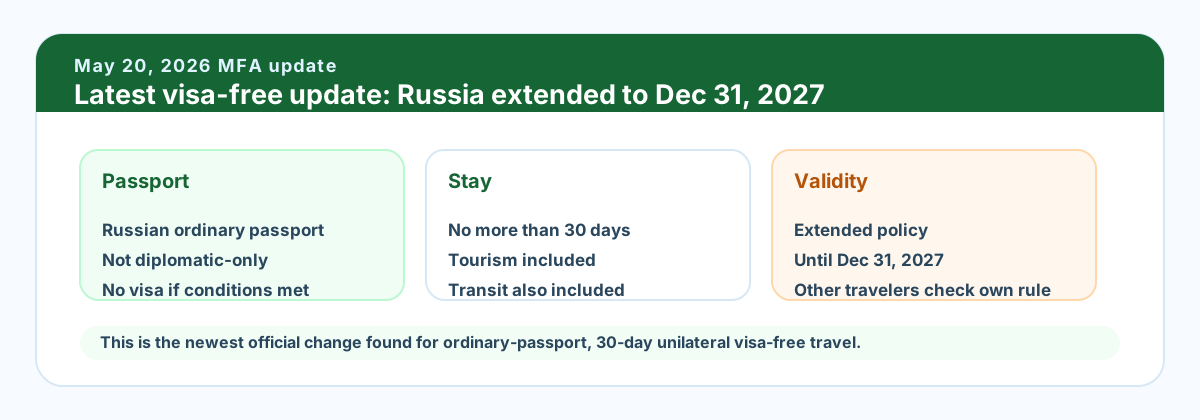
The latest official visa-free update checked for this article is China’s May 20, 2026 announcement extending the unilateral visa-free policy for Russian ordinary passport holders to December 31, 2027. The stated conditions remain practical and narrow: no more than 30 days, ordinary passport, and purposes such as business, tourism, family or friends visits, exchange, or transit.
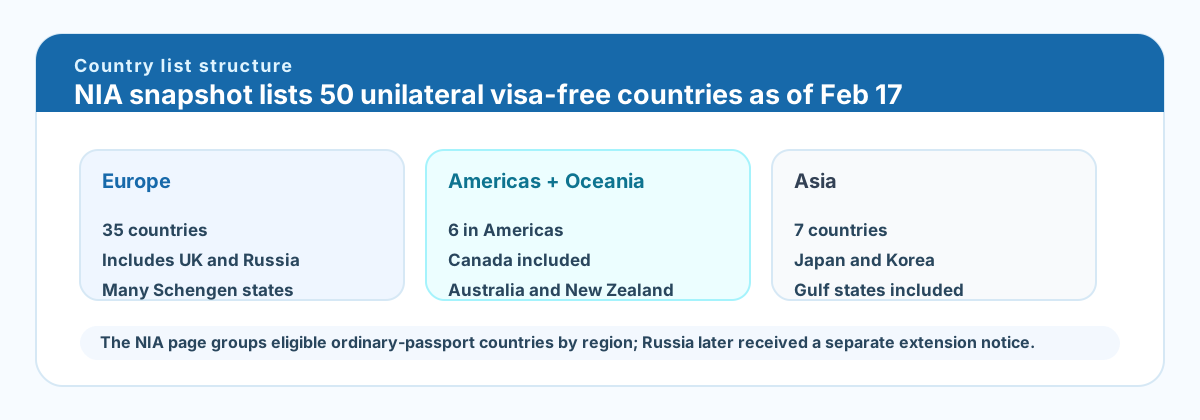
The broader unilateral visa-free list is still best read through the National Immigration Administration’s English policy interpretation page, compiled as of February 17, 2026. That page lists 50 countries by region and states that nationals of those countries holding ordinary passports may enter visa-free for eligible short-stay purposes.
Who this affects
The clearest immediate audience is Russian ordinary passport holders, because their unilateral visa-free policy has now been extended to the end of 2027. It also matters to travelers from countries already on the 30-day unilateral list, including Canada and the United Kingdom, because the Russia extension has renewed attention on how these short-stay rules actually work.
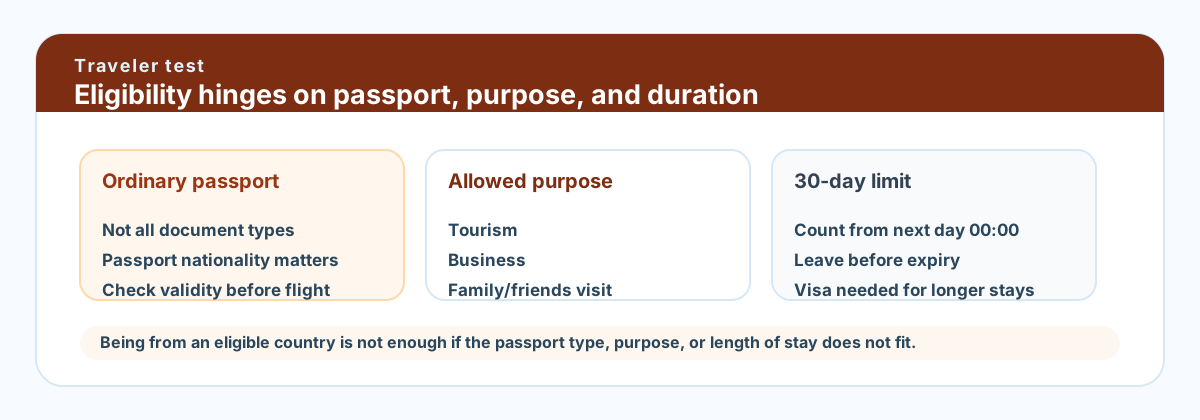
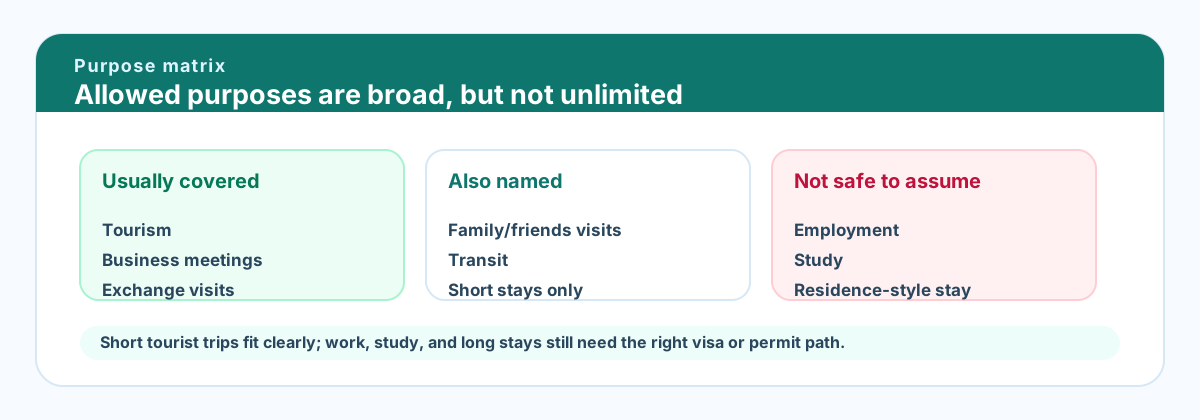
Tourism is explicitly included in the official wording, alongside business, family or friends visits, exchange, and transit. That makes the policy useful for many first-time China trips, but it does not replace work, study, residence, or longer-stay visa routes.
What travelers should do now
Count your stay conservatively. The NIA page says the duration of stay is calculated from 00:00 on the day following the date of entry, but travelers should still build a buffer around departure flights, train connections, and weather or schedule disruptions instead of aiming for the last possible minute.
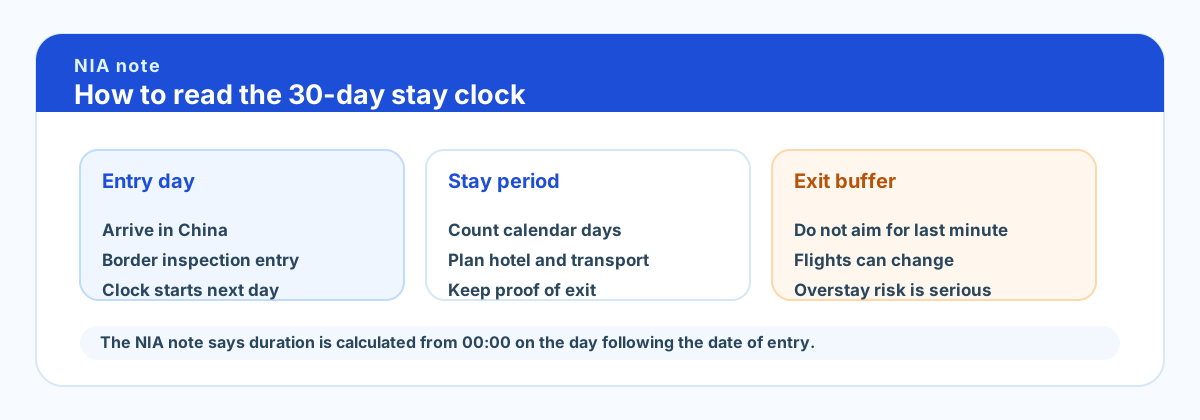
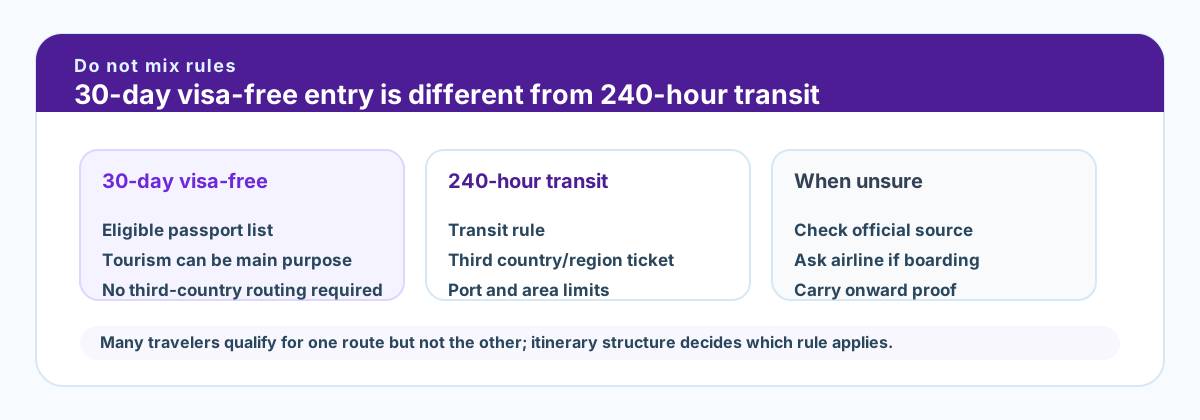
Do not confuse 30-day unilateral visa-free entry with 240-hour visa-free transit. The 30-day route depends mainly on passport country, passport type, stay length, and purpose; transit rules depend on itinerary structure, onward travel to a third country or region, approved ports, and permitted travel areas.
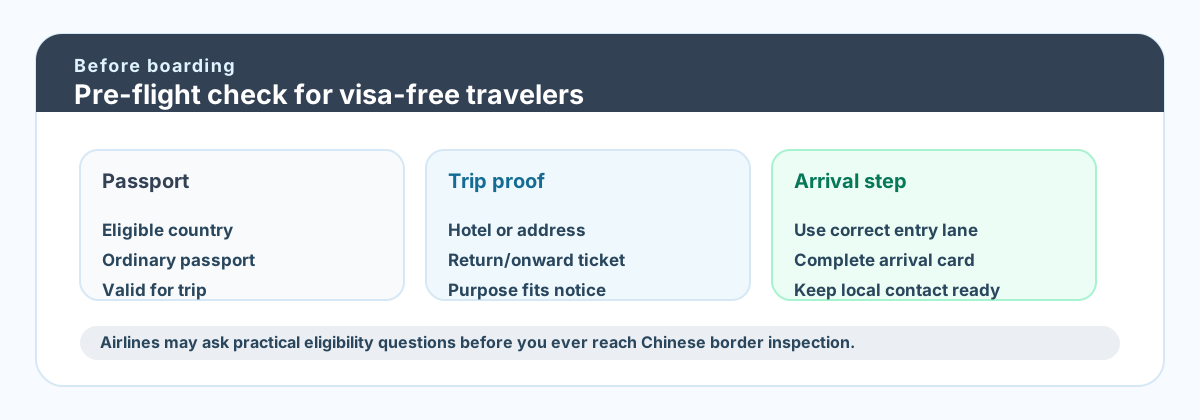
Before boarding, carry practical proof that your trip fits the policy: a valid ordinary passport from an eligible country, hotel or local address details, a return or onward plan, and a trip purpose that matches the official wording. Airlines may screen eligibility before Chinese border inspection sees you.
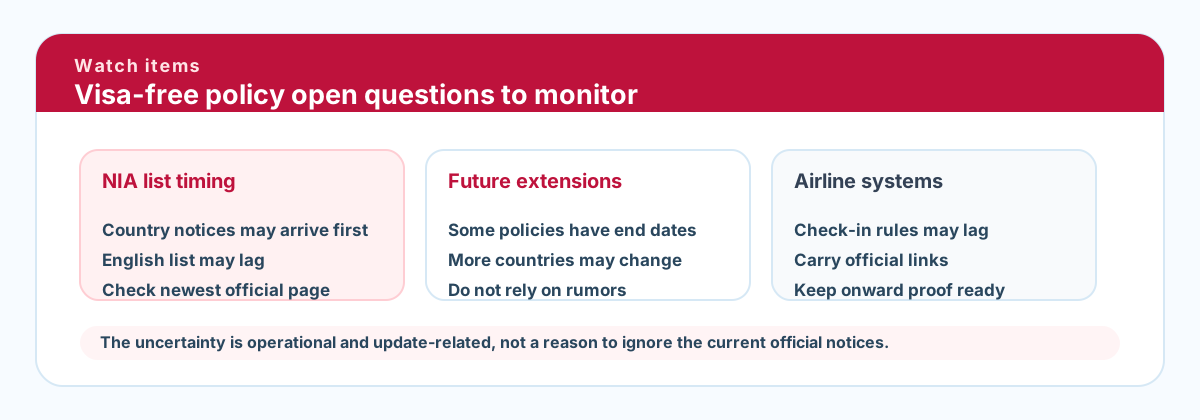
What is still unclear
The open question is not whether the Russia extension exists; the MFA announcement is clear. The practical uncertainty is how often China will update the NIA English list after new country-specific notices, whether more countries will be added or extended, and how airlines will reflect changes in their own check-in systems.
Source notes
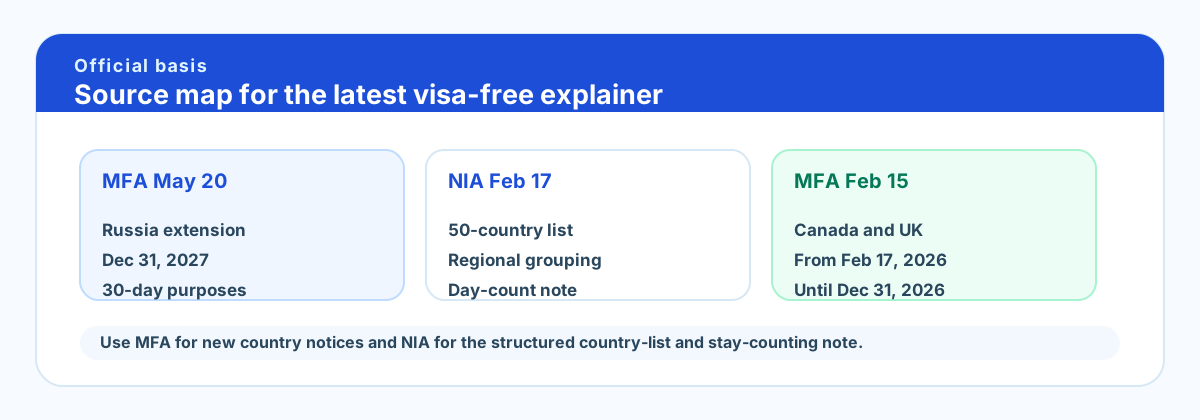
This explainer is based on official sources checked on May 31, 2026: the MFA May 20 press conference for the Russia extension, the NIA country list compiled as of February 17, 2026, the MFA February 15 notice for Canada and the UK, and State Council English reporting for current inbound travel context.
Step-by-Step Checklist
- 1Check passport country and passport type.The unilateral policy is for ordinary passport holders from listed countries.
- 2Keep the stay within the stated 30-day limit.NIA says the duration is calculated from 00:00 on the day following the date of entry.
- 3Make sure your purpose fits the official notice.Tourism, business, family/friends visits, exchange, and transit are named purposes.
- 4Carry practical trip proof.Airlines and border officers may ask for hotel or address details and onward or return plans.
Common Mistakes
- Mixing 30-day visa-free entry with 240-hour visa-free transit. The 30-day rule is based on eligible passport country and purpose; 240-hour transit depends on routing, ports, and permitted areas.
- Assuming every passport from a country qualifies. The official unilateral rule refers to ordinary passport holders.
- Planning to work or study on a short-stay visa-free entry. Work, study, and residence-style stays need the appropriate visa or permit route.
FAQ
What is the latest China visa-free policy change?
The latest official update checked for this article is the May 20, 2026 MFA announcement extending China's unilateral visa-free policy for Russian ordinary passport holders to December 31, 2027.
How many unilateral visa-free countries are listed by NIA?
The NIA English policy interpretation page compiled as of February 17, 2026 lists 50 countries covered by unilateral visa exemption policies.
When does the 30-day stay count start?
The NIA note says the duration of stay is calculated from 00:00 on the day following the date of entry.
Sources and Update Notes
- Foreign Ministry Spokesperson Guo Jiakun's Regular Press Conference on May 20, 2026 Checked May 31, 2026 for the Russia visa-free extension to December 31, 2027 and the 30-day ordinary-passport conditions.
- List of Countries Covered by Unilateral Visa Exemption Policies Checked May 31, 2026 for the NIA country list compiled as of February 17, 2026 and the stay-counting note.
- Foreign Ministry Spokesperson's Remarks on Including Canada and the UK in the Visa-Free Program Checked May 31, 2026 for the February 17, 2026 start date and December 31, 2026 validity for Canada and the UK.
- China's holiday travel surges as visa-free arrivals rise Checked May 31, 2026 for May Day 2026 visa-free arrival context.