Destinations
Guangzhou Travel Guide: 3-Day Itinerary, Dim Sum, Canton Tower and Old Town
Plan a first Guangzhou trip with a 3-day itinerary for Canton Tower, Shamian, Yongqing Fang, Chen Clan Ancestral Hall, dim sum, Pearl River views, metro tips, and reservations.
Quick Answer
For a first Guangzhou travel guide, stay near Beijing Road or Gongyuanqian so old-town food streets, metro transfers, and evening walks are easy. A balanced 3-day itinerary is Sacred Heart Cathedral, Shamian Island, and Yongqing Fang on day one; Guangdong Museum, Huacheng Square, Haixinsha, Canton Tower, and a Pearl River night cruise on day two; then Chen Clan Ancestral Hall, Beijing Road, and Dafo Temple on day three. Book Guangdong Museum in advance, check Canton Tower ticket windows before going, and use the metro for most moves because central Guangzhou traffic can slow down sharply at peak hours.
Best Option by Scenario
| Scenario | Best option | Notes |
|---|---|---|
| First-time visitor with three full days | Base near Beijing Road or Gongyuanqian and follow a west-to-east route: old Liwan and Shamian first, Zhujiang New Town second, Yuexiu heritage third. | This keeps daily backtracking low and leaves the Canton Tower area for sunset and night views. |
| Food-focused weekend | Prioritize one classic Cantonese teahouse, one roasted goose or pigeon meal, and one neighborhood snack walk around Xihua Road, Beijing Road, or Yongqing Fang. | Go early for dim sum queues and keep dinner flexible because popular restaurants may require a wait. |
| Canton Fair or business add-on | Use the metro for predictable travel, keep Canton Tower and Pearl River night views for after work, and put one compact old-town walk on a free morning. | International card tap-to-ride support on Guangzhou Metro makes short business add-ons easier for visitors with contactless cards. |
Detailed Guide
Guangzhou works best when you do not treat it like a checklist of distant landmarks. The good version of the trip is neighborhood-based: old Xiguan lanes and colonial-era Shamian on one day, the Pearl River skyline on another, then a heritage-and-food loop around Chen Clan Ancestral Hall and Beijing Road.
This route is adapted from the user-provided Xiaohongshu guide. The photo strips below keep the same attraction and food shortlist while the English copy focuses on practical transit, booking, and app notes before arriving in China.
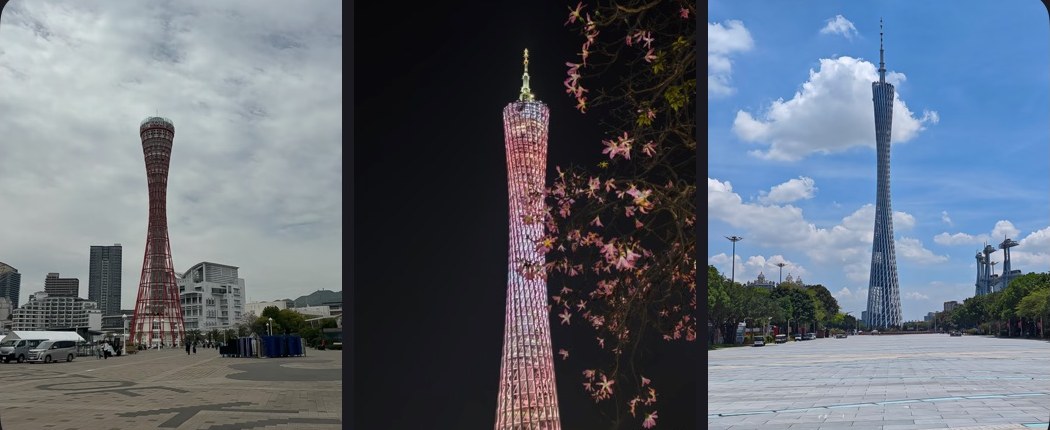
Best Area To Stay
For a first visit, stay around Beijing Road, Gongyuanqian, or nearby Yuexiu metro stations. This puts you close to old-town food, shopping streets, Dafo Temple, and easy transfers to Liwan, Zhujiang New Town, and Canton Tower.
Zhujiang New Town is cleaner and more modern, with better business hotels and skyline views, but it can feel less atmospheric if your goal is dim sum, arcades, and old Guangzhou streets. Liwan is more local and scenic, but first-time visitors may find Beijing Road or Gongyuanqian easier for late-night returns.
Day 1: Sacred Heart Cathedral, Shamian Island, Yongqing Fang
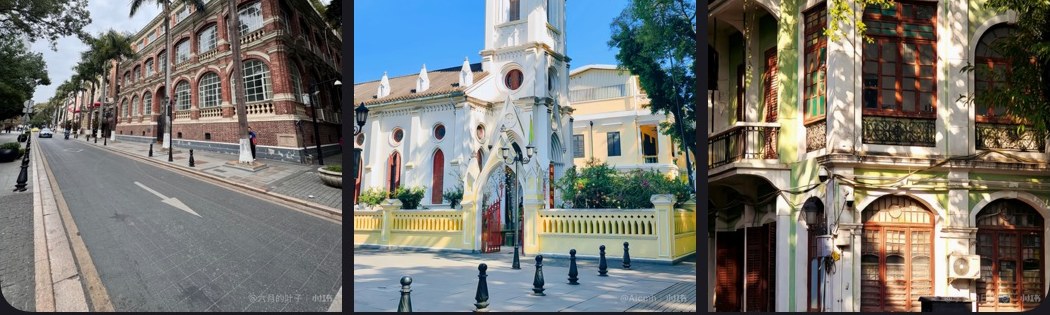
Start at Sacred Heart Cathedral, known locally as Shishi or the Stone House. It is a strong first stop because the scale, stone facade, and stained-glass interior feel very different from Guangzhou’s food streets and modern towers. Go in the morning if you want softer light and fewer people.

For lunch, keep it simple and nearby. The original route suggests a casual beef offal stop such as Huishijia. If that feels too adventurous, choose a busy Cantonese noodle, rice roll, or dim sum shop instead.
Spend the afternoon on Shamian Island. It is free to enter, compact, and easy to walk slowly: European-style buildings, shaded streets, churches, cafes, and riverfront views. It is more of a photo-and-stroll district than a museum-heavy stop, so two hours is usually enough.
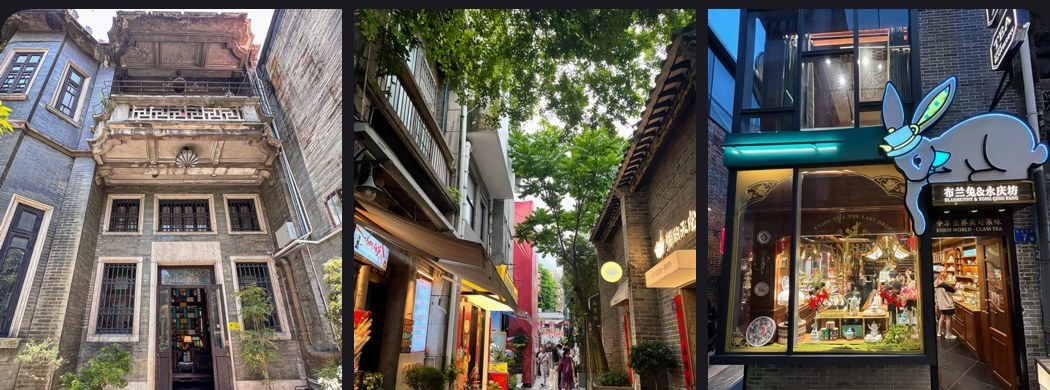
Finish in Yongqing Fang and the surrounding Enning Road area. This is where old Xiguan architecture, renovated lanes, small shops, and Cantonese heritage experiences sit close together. Stay until the lanterns come on, then eat around Xihua Road, Yongqing Fang, or another old-town restaurant cluster.
Day 2: Guangdong Museum, Huacheng Square, Canton Tower
Make Guangdong Museum the anchor of day two. It sits in Zhujiang New Town, near the library, opera house, and Huacheng Square. The museum is especially useful for understanding Guangdong’s maritime history, natural history, ceramics, wood carving, and Lingnan culture before you keep exploring the city.
Book this stop in advance. Guangdong Museum’s official visitor notice says bookings are made through its WeChat official account, with real-name timed entry for all visitors. Bring the passport or ID document you used for the booking.
After the museum, walk Huacheng Square and Haixinsha. This is the clean, open, modern Guangzhou that contrasts with day one’s old lanes. If the weather is clear, stay in the area through sunset so Canton Tower starts to light up across the river.

Canton Tower is the paid skyline option. The official site lists business hours as 09:30 to 22:30, but check current ticket windows, weather, and tower attraction availability before going. If you do not need to go up, you can still get excellent photos from Huacheng Square, Haixinsha, the waterfront, or Haixin Bridge.
End the night with a Pearl River night cruise or a simple riverside walk. A cruise is more touristy, but it is also a low-effort way to see the lit bridges, towers, and both banks after a museum-heavy day.
Day 3: Chen Clan Ancestral Hall, Beijing Road, Dafo Temple
Begin at Chen Clan Ancestral Hall, also known as Guangdong Folk Art Museum. This is one of the clearest places to see Lingnan craft: carved wood, brick, stone, pottery ridges, painted details, and nested courtyards. It is best done unrushed, before the shopping streets get busy.
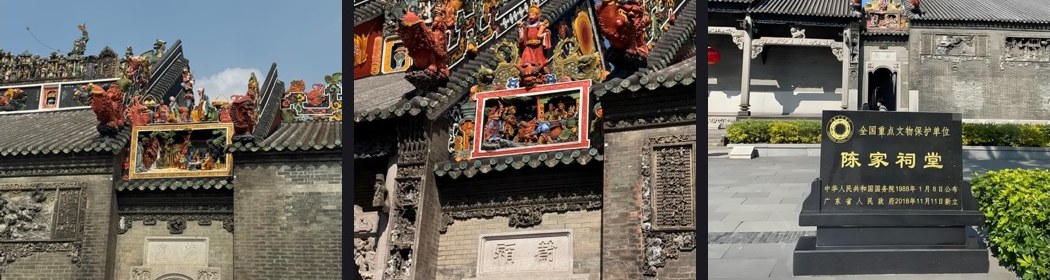
Then move toward Beijing Road. It is commercial, crowded, and not subtle, but it is useful for a first trip because it combines shopping, snacks, preserved road remains, and easy metro access. Use it as a convenient daytime walk rather than expecting a hidden local neighborhood.
Dafo Temple is the evening finish. The illuminated facade behind Beijing Road has become a popular night-photo stop, and it works well as a short final visit after dinner. Keep your visit quiet and respectful because it is still an active religious site, not just a backdrop.
What To Eat
Guangzhou is the place to schedule food as carefully as attractions. The Xiaohongshu route highlights classic Cantonese restaurants and comfort dishes rather than novelty snacks, which is the right instinct.
For dim sum and old-brand Cantonese cooking, compare Guangzhou Restaurant and Taotaoju. Both are famous enough to draw queues, but they are useful introductions to shrimp dumplings, pineapple buns, roast meats, steamed dishes, and sweet pastries.
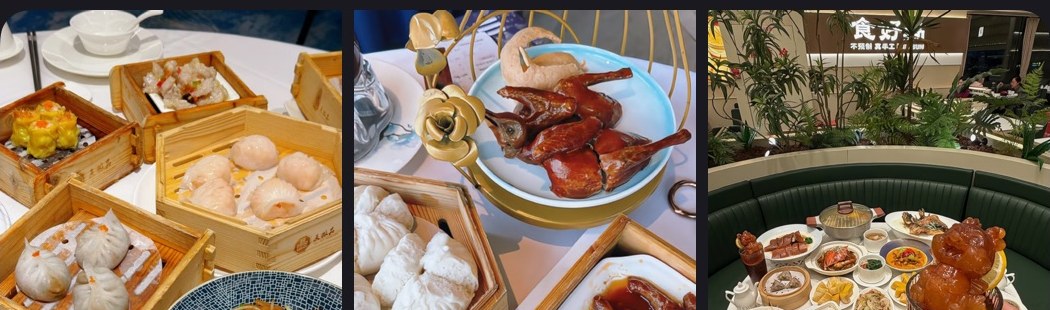
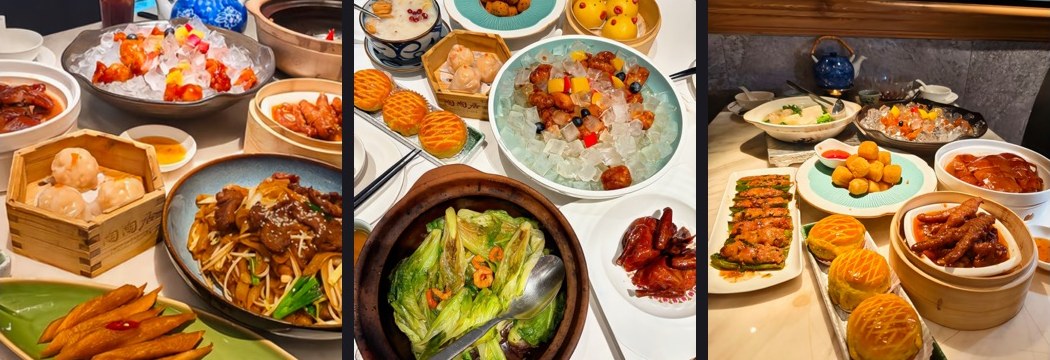
For a richer dinner, look at pigeon rice or roasted pigeon restaurants such as Da Ge Fan, or a more polished Cantonese meal at Lei Garden or Bing Sheng. Expect higher prices and busier dining rooms at well-known branches. Book ahead when possible, or go slightly earlier than local peak dinner time.
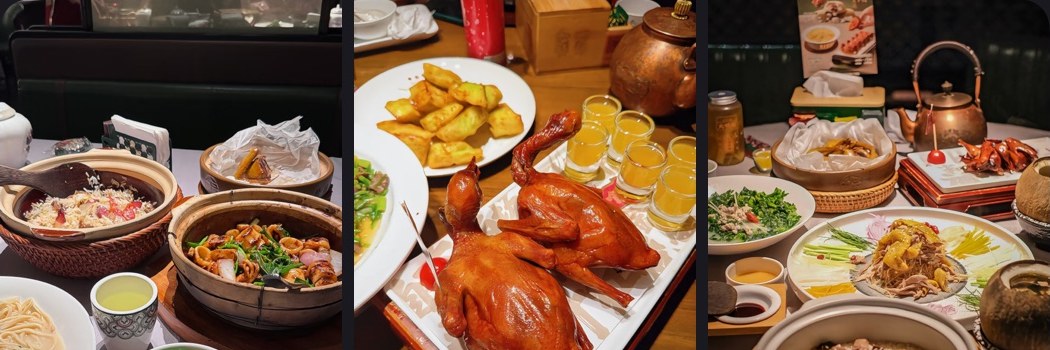
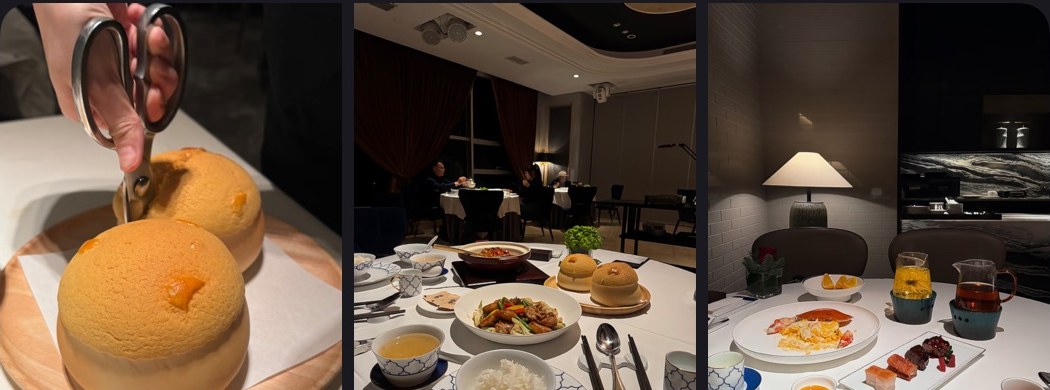
For casual snacks, look for rice rolls, wonton noodles, beef offal, double-skin milk, ginger milk pudding, and herbal tea shops around old Yuexiu and Liwan. If a street stall has no visible prices near a tourist exit, ask first or keep walking.
Getting Around
Use the metro as your default. Guangzhou is large, but this route is intentionally metro-friendly: old-town stops, Zhujiang New Town, the museum, Canton Tower, and Beijing Road all work better by rail than by car during busy periods.
Guangzhou’s official English portal reported that the metro now supports contactless cards from major international networks across stations, including Visa, Mastercard, American Express, and JCB, after the 2025 upgrade. That said, still prepare Alipay, WeChat Pay, or another backup because card acceptance can vary outside the metro system.
For maps, save Chinese names as well as English names. Some English translations vary by app, but the Chinese names get you to the right taxi pin, metro station, or entrance faster.
Booking And App Notes
Install and test your China apps before arrival. At minimum, prepare a map app that works well in China, Alipay or WeChat Pay, translation, hotel address screenshots, and your eSIM or roaming setup. For Guangzhou specifically, add museum and tower booking links before you need them.
Guangdong Museum is the strictest stop in this itinerary because of real-name timed entry. Canton Tower is more flexible, but popular time slots and weather-sensitive viewing still make advance checking worthwhile. Restaurants may rely on Chinese apps, phone numbers, or WeChat mini-programs, so ask your hotel to help if a booking screen blocks foreign numbers.
Practical Route Adjustments
If it rains, move Guangdong Museum, teahouses, and malls earlier in the day. Save Shamian, Yongqing Fang, Huacheng Square, and riverside photos for breaks in the weather.
If you only have two days, combine day one and day three into a compact old-town loop: Chen Clan Ancestral Hall, Yongqing Fang, Shamian, Sacred Heart Cathedral, Beijing Road, and Dafo Temple. Keep Canton Tower and the Pearl River skyline as your second day.
If you are visiting during Canton Fair or a major event, book hotels earlier and avoid assuming taxi travel times. Guangzhou can feel smooth on the metro and suddenly slow on the road; the city rewards travelers who keep routes clustered.
Step-by-Step Checklist
- 1Save Chinese place names before departureKeep Guangzhou Tower/广州塔, Shamian Island/沙面岛, Yongqing Fang/永庆坊, Chen Clan Ancestral Hall/陈家祠, and Guangdong Museum/广东省博物馆 in your map app.
- 2Book Guangdong Museum earlyThe museum uses real-name, timed-entry booking through its official WeChat account, with standard opening hours Tuesday to Sunday.
- 3Check Canton Tower ticket and weather conditionsThe official site lists business hours and ticketing links; skyline views are better after rain or on lower-haze days.
- 4Use the metro for cross-city movesMost stops on this route sit near metro stations, while road traffic around Zhujiang New Town and old Liwan can be slow at peak hours.
- 5Carry a passport or ID used for reservationsMuseums, tower tickets, and some booked experiences may ask for the same document used at reservation.
- 6Keep small meals in the planGuangzhou is a grazing city: dim sum, roast goose, pigeon rice, and dessert stops work better than one oversized lunch.
- 7Leave one rain or heat bufferGuangzhou weather can be humid, rainy, or hot; keep indoor museums and teahouses as easy swaps.
What to verify before you go
- Opening hours for attractions, restaurants, museums, parks, and evening viewpoints.
- Booking rules, including real-name reservation, timed entry, app-only tickets, and cancellation windows.
- Passport or ID requirements for hotels, trains, attractions, border crossings, and ticket pickup.
- Payment method accepted on the exact route or venue, plus a backup card, cash, or app wallet.
- Weather, heat, rain, air quality, and whether outdoor stops still make sense that day.
- Transport changes, metro closures, traffic controls, ferry or shuttle timing, and last-train options.
Common Mistakes
- Booking every landmark on the same side of the Pearl River without checking transit time. Cluster Liwan and Yuexiu old-town stops separately from Zhujiang New Town, Haixinsha, and Canton Tower.
- Arriving at Guangdong Museum without a reservation. Book through the official WeChat channel and bring the ID used for the booking.
- Relying on taxis during rush hour. Use metro lines for predictable travel, then walk or take short rides only for the final leg.
- Expecting every famous food street to feel local and quiet. Treat Beijing Road and Yongqing Fang as convenient scenic districts, then use side streets or older teahouses for slower meals.
- Buying cut fruit or snacks from unpriced street stands near tourist exits. Check prices first and choose busy, clearly priced shops when you just want a quick bite.
FAQ
How many days do I need for Guangzhou?
Three days is enough for a first route covering old Liwan, Shamian, Zhujiang New Town, Canton Tower, Chen Clan Ancestral Hall, Beijing Road, and several Cantonese meals.
Where should first-time visitors stay in Guangzhou?
Beijing Road and Gongyuanqian are practical bases because they are central, metro-connected, and close to old-town food, shopping, and evening walks.
Is Canton Tower worth going up?
It is worth it if you want a paid skyline experience or tower attractions. If you only want photos, Huacheng Square, Haixinsha, and the Pearl River waterfront give good exterior views.
Do foreign visitors need to book Guangdong Museum?
Yes. The official visitor notice says the museum uses real-name, timed-entry booking for all visitors through the Guangdong Museum WeChat account.
Can I use foreign bank cards on Guangzhou Metro?
Guangzhou's official English portal reported that contactless Visa, Mastercard, American Express, and JCB cards are supported across metro stations after the 2025 upgrade. Carry a backup payment option anyway.
Sources and Update Notes
- Xiaohongshu Guangzhou travel guide share page User-provided inspiration checked on May 25, 2026; used for route clustering and food shortlist only, with original English copy.
- eGuangzhou: Discover Guangzhou's top spots ahead of 15th National Games Official English city portal reference for Canton Tower, Pearl River Night Cruise, Yongqing Fang, Beijing Road, and Chen Clan Ancestral Hall groupings.
- Guangdong Museum: Book Tickets Official booking notice for real-name timed entry, standard hours, ID checks, and visitor rules.
- Canton Tower official website Official source for business hours, ticketing links, Pearl River cruise links, address, and guest services.
- eGuangzhou: Guangzhou Metro accepts foreign bank cards Official English city portal update on international contactless card support across Guangzhou Metro stations.