Destinations
Shantou Travel Guide: 2-Day Chaoshan Food, Old Port and Nan'ao Coast
Plan a first Shantou trip with a 2-day itinerary for Small Park, old port arcades, Chaoshan food, Queshi Scenic Area, Nan'ao Island, Qing'ao Bay, bay walks, and transport timing.
Quick Answer
For a first Shantou travel guide, plan around two themes: old-port food streets and the coast. Spend day one in central Shantou around Small Park, the old commercial port arcades, bay walks, and a Chaoshan eating route: rice noodle soup or rice rolls in the morning, beef hotpot as the anchor meal, old-city snacks and sweet soup in the afternoon, then congee, goose, seafood, or night stalls after dark. Spend day two on Nan'ao Island if the weather is clear. If you only have one day, skip the island and stay in the old city plus bay area.
Best Option by Scenario
| Scenario | Best option | Notes |
|---|---|---|
| First-time visitor with two days | Use day one for Small Park, bay walks, and Chaoshan food, then save day two for Nan'ao Island. | This keeps the city-food route and the island route from fighting each other. |
| One-day Shantou stopover | Stay in central Shantou: Small Park, old commercial port arcades, a bay walk, and two focused meals. | Nan'ao is too far to treat as a casual side stop unless you already have a car and clear weather. |
| Coast-focused traveler | Start early for Nan'ao Bridge, Qihang Plaza, Qing'ao Bay, Song Well, and island seafood. | Check same-day weather and return transport before committing to a beach-heavy day. |
| Food-focused traveler | Base near the old city or Longyan South Road area and plan the day by meal rhythm, not by landmark count. | Use breakfast, hotpot, snacks, tea or sweet soup, and a late seafood or congee stop as separate experiences. |
Detailed Guide
Shantou is best understood as a Chaoshan food city with a serious coastline. If you plan it like a normal checklist of landmarks, the day becomes jumpy. If you plan it around meals, old port streets, bay light, and one clear island day, it starts to make sense quickly.
This guide is adapted from the user-provided Xiaohongshu reference. Because the public short link now routes through a gated WeChat/Xiaohongshu flow, the final English route uses official Shantou tourism sources for current route, attraction, and transport context.
Best Area To Stay
For most first-time visitors, central Shantou is the easiest base. It keeps Small Park, old commercial-port streets, food stops, bay walks, and taxi pickups simple. It also gives you more flexibility if rain or queues change the day.
Stay near Nan’ao Island only if the island is the point of the trip. It can be beautiful, but it is not the most practical base for eating through the old city. If you want one beach day and one food day, sleep in central Shantou and start early for Nan’ao.
If you are arriving by high-speed rail, check the route from Chaoshan Railway Station or Shantou Railway Station to your hotel before booking. The shortest-looking hotel on a map is not always the easiest after a late train, especially if you need food immediately.
Day 1: Small Park, Old Port Streets, Bay Walks, Food
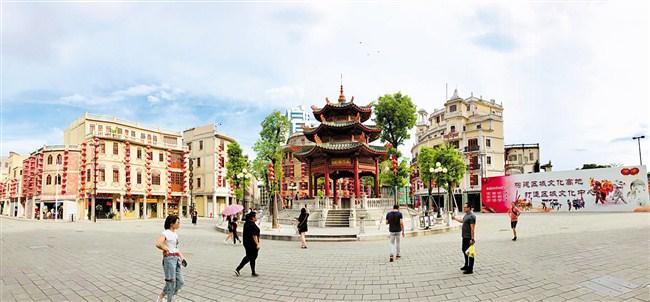
Start around Small Park. The official Shantou tourism pages place Small Park and the commercial-port arcades at the heart of the city’s old port memory, with the old radial street layout, qilu arcade buildings, department-store history, post office buildings, and overseas Chinese commercial traces all clustered nearby.
Do not rush this area as a photo stop. Walk slowly, save restaurants, look for snacks between buildings, and let the streets explain why Shantou feels different from Guangzhou or Shenzhen. It is less polished, more food-led, and strongly tied to Chaoshan people moving between home, Hong Kong, Southeast Asia, and the sea.
Make lunch the anchor of the day. Chaoshan beef hotpot is the obvious first meal: clear broth, fresh beef cuts, beef balls, and a dipping sauce that lets the meat stay central. If you are eating with a group, this is easier than trying to share a dozen small snack stops while everyone is still learning the city.
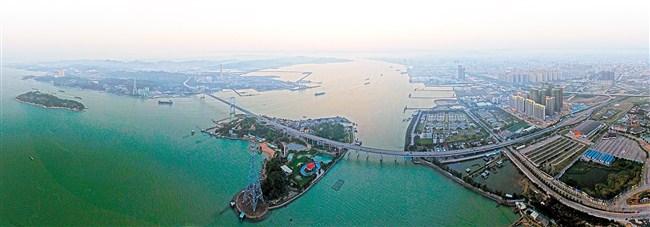
In the afternoon, keep the route loose. Add the bay promenade, Xidi Park, Shipaotai Park, or the Chaoshan Historical and Cultural Expo Center depending on weather and energy. Official route material describes the north-side promenade as a strip park along the inner bay, while the broader “Bay Sunset” landscape ties the waterfront, Queshi, Mayu Island, bridges, and east coast together.
For dinner, choose one more real meal rather than a marathon. Good options are casserole congee, oyster omelette, rice rolls, fish balls, goose, seafood, or another beef hotpot if that is the reason you came. End with local tea or dessert instead of forcing one more landmark.
Day 2: Nan’ao Island And Qing’ao Bay
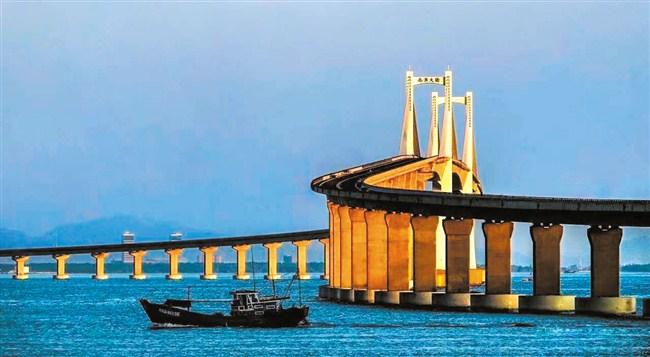
Nan’ao is the route that needs discipline. The official Shantou coast tour treats Nan’ao Bridge, Qihang Plaza, coastal platforms, Yun’ao, Song Well, the wind power area, Qing’ao Bay, Treasure Island, and the General Brigade’s Office as a connected island route. That is a full day, not a late-morning detour.
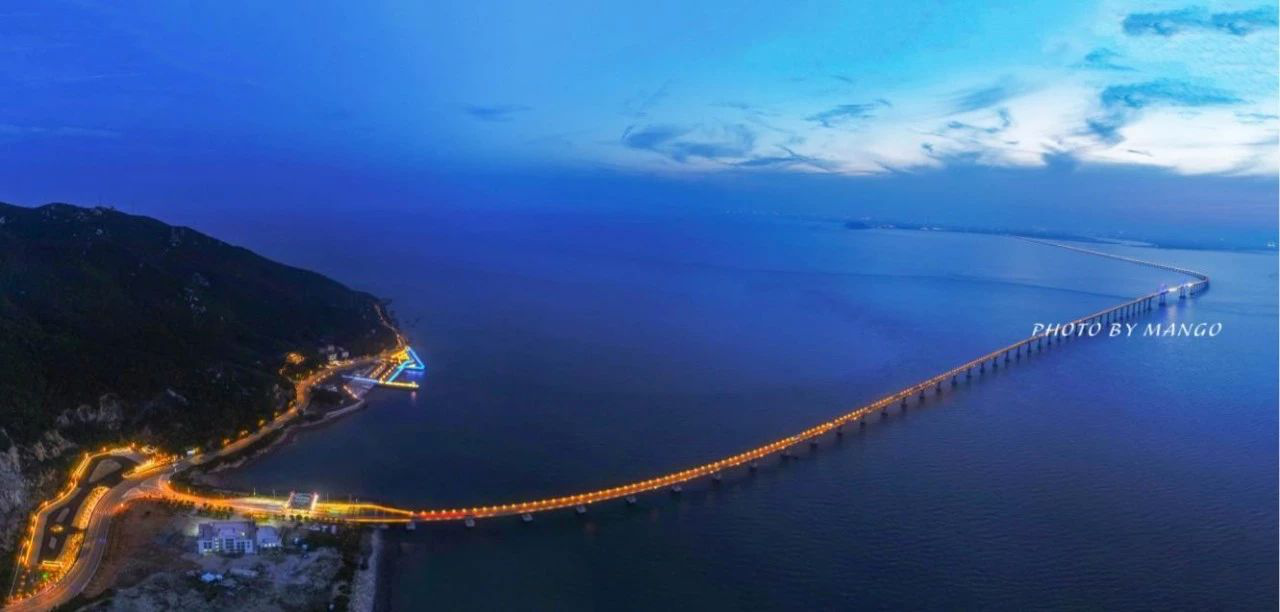


Go early and make Qing’ao Bay the weather test. The official Nan’ao page describes the bay as a crescent beach with fine white sand and blue water, while the coast-route page highlights its broad beach, clear water, and calm swimming conditions. In real planning terms, this means the island is much more rewarding on a bright, visible day.
Add one or two history stops, not all of them. Song Well gives you the Southern Song story and a strange freshwater-by-the-sea detail. The General Brigade’s Office adds Ming and Qing coast-defense context. Treasure Island is smaller and more story-driven. Choose based on your group’s patience for history after beach time.
Leave room for food. Nan’ao seafood can be the best part of the day, but it is also where tourists can accidentally over-order. Check live seafood prices, confirm portions, and keep the return ride in mind before starting a long dinner.
Queshi And The Bay Alternative
If the island weather is poor or you do not want a long transfer, use Queshi Scenic Area as the coast-and-hills alternative. Official Shantou sources describe Queshi as one of the city’s major AAAA scenic areas, built around sea, hills, rocks, caves, and quiet paths on the bay’s south side.
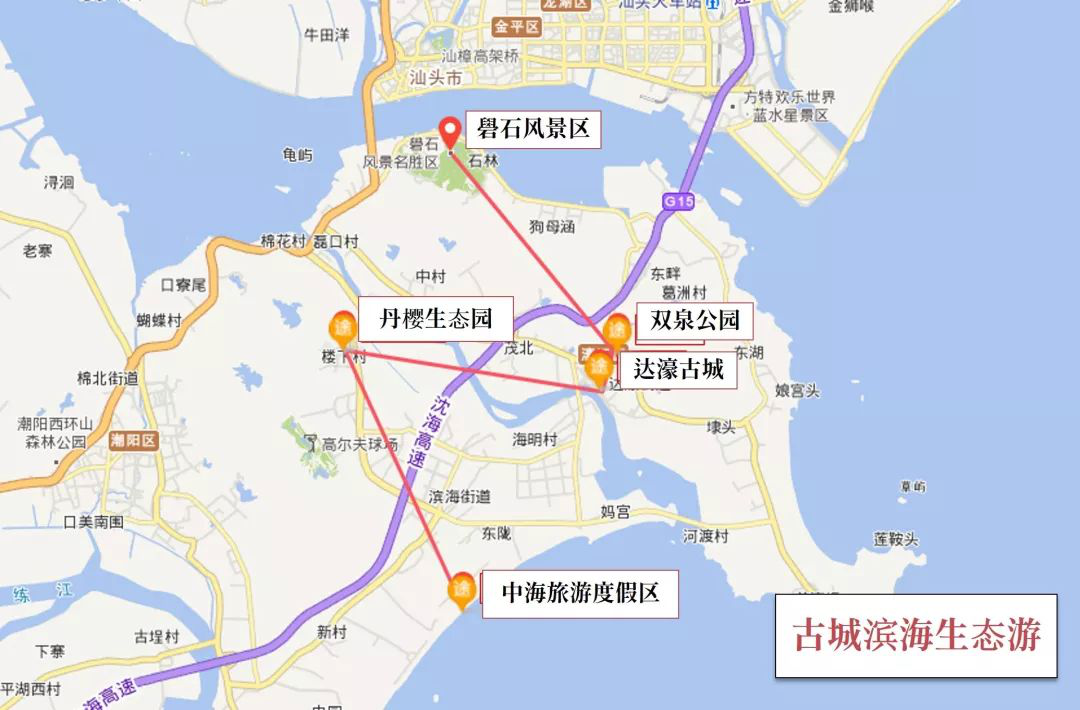
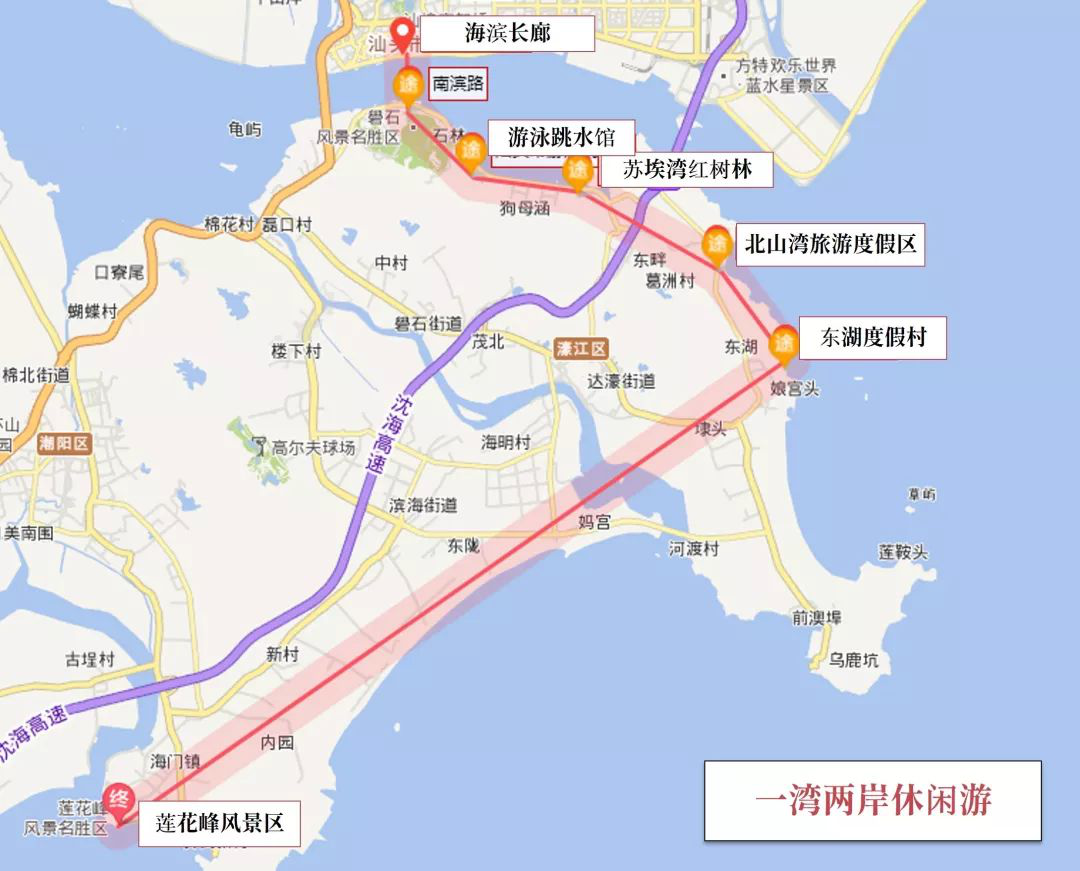
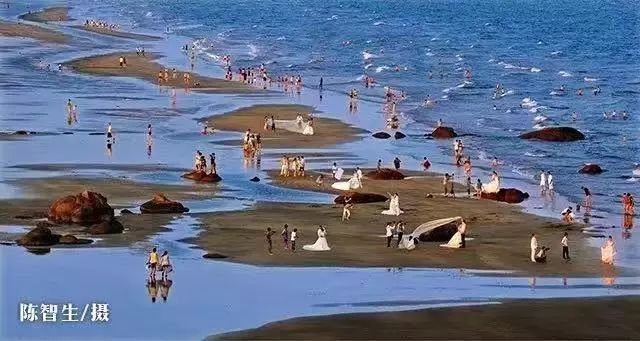
The practical choice is simple: Nan’ao gives the stronger island-and-beach day; Queshi gives a shorter city-adjacent nature route. If your group cares more about dinner reservations than beach photos, Queshi is often the better fit.
What To Eat In Shantou
Treat food as the main attraction. A sensible first list is Chaoshan beef hotpot, beef balls, rice noodle soup, rice rolls, oyster omelette, casserole congee, fish balls, goose, kueh-style snacks, sweet soup, tofu pudding, almond tea, seafood, and local tea. The mistake is not missing one dish; the mistake is eating them in an order that makes every meal worse.
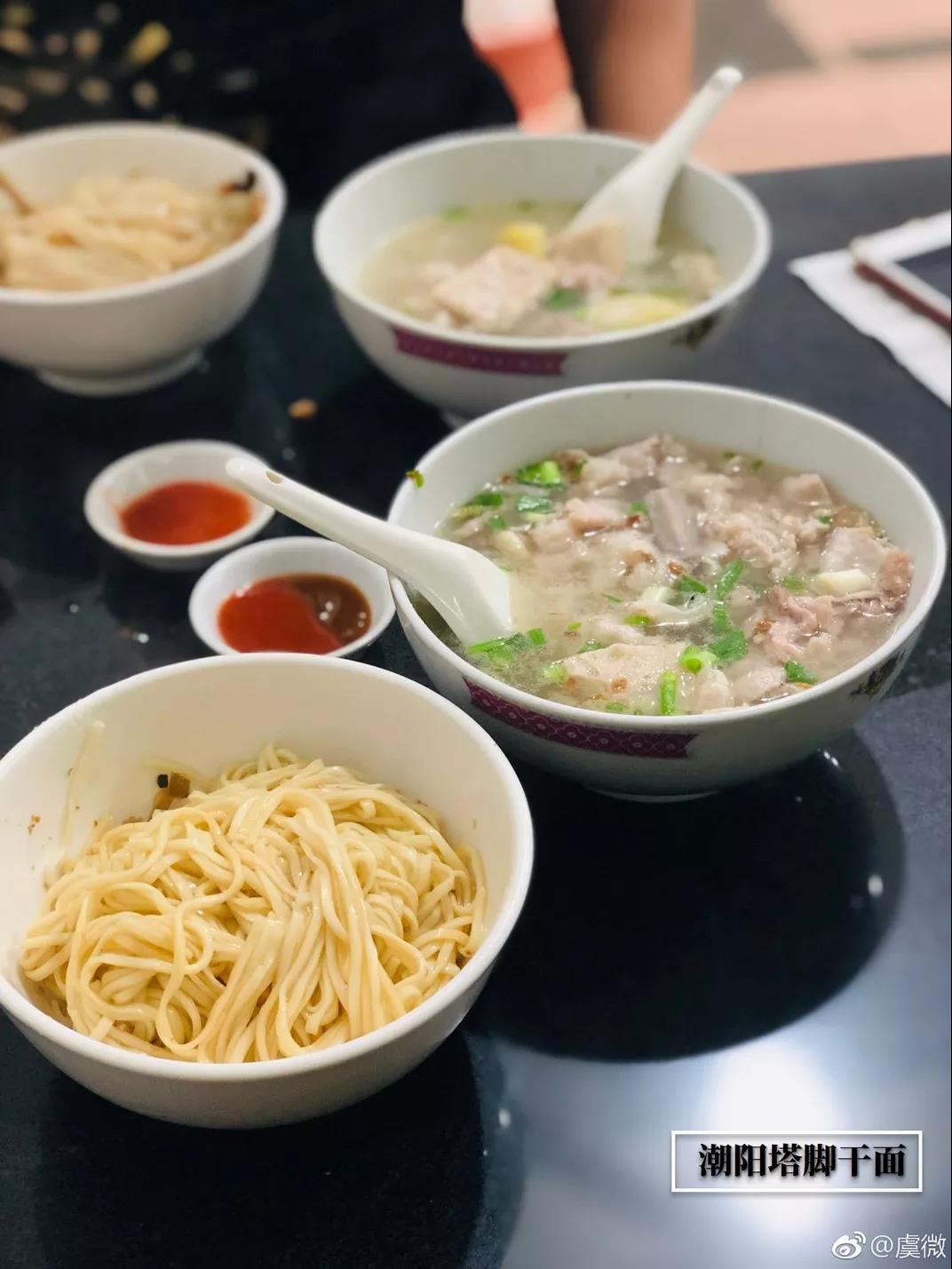
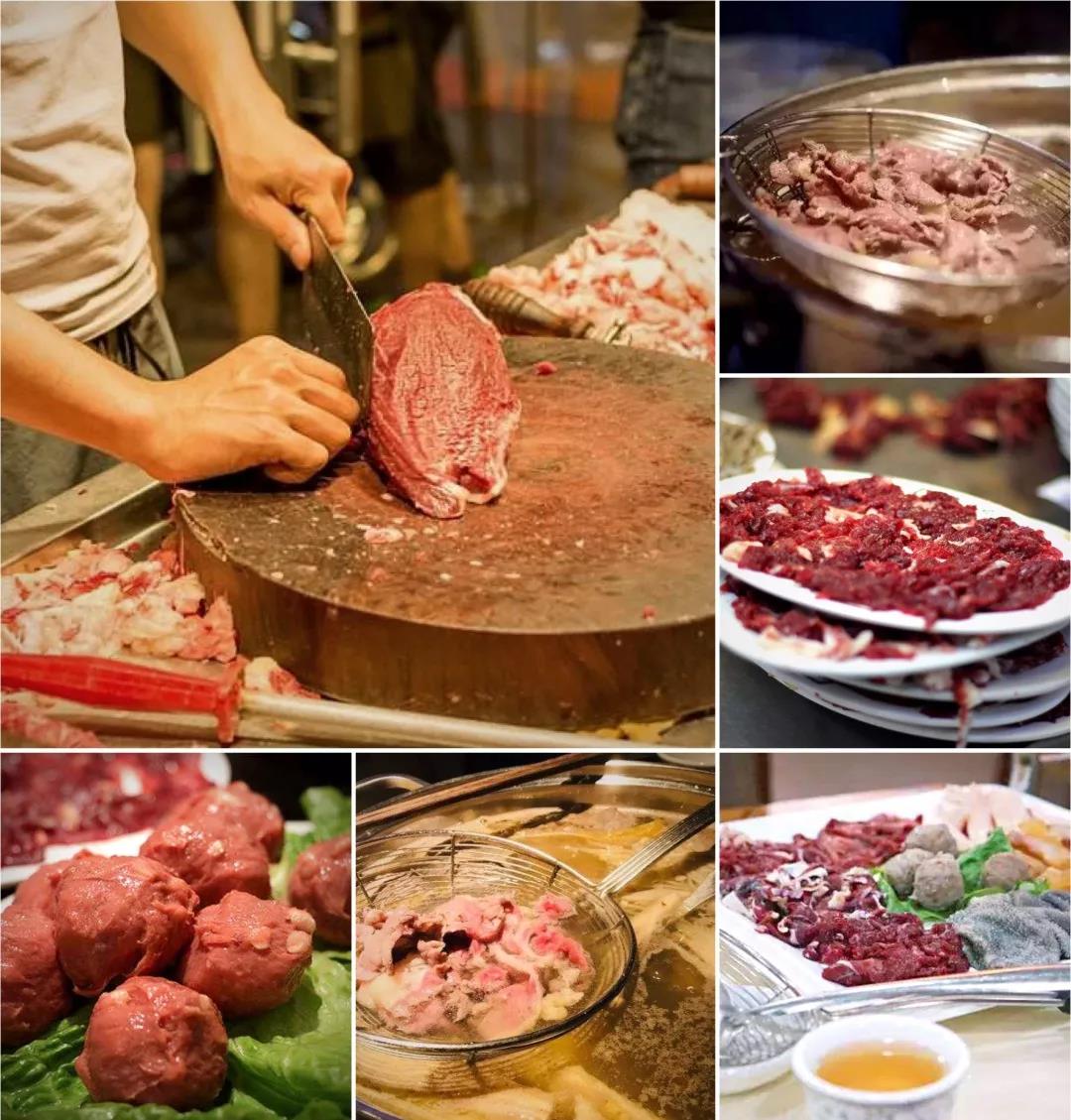
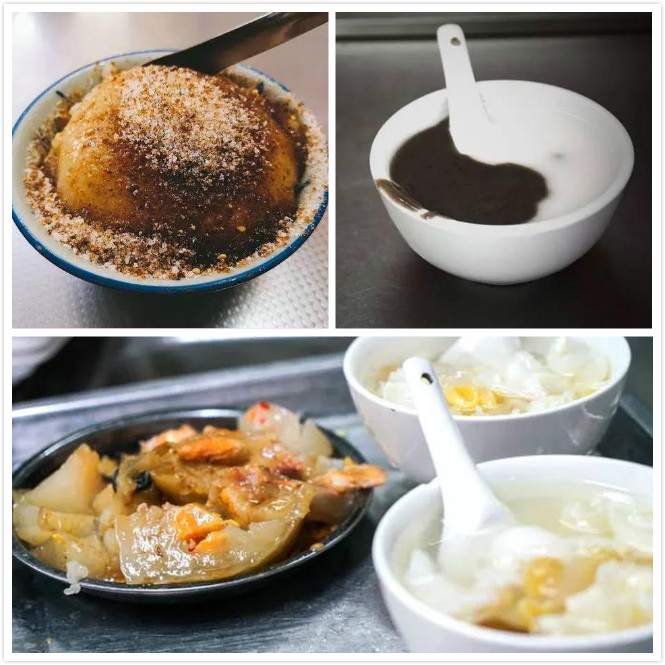
Start with one light meal, one anchor meal, one snack block, and one late congee, seafood, or dessert stop. For example: rice rolls or rice noodle soup in the morning, beef hotpot at lunch, old-city snacks in the afternoon, and casserole congee or sweet soup at night. Or reverse it if you land late and want hotpot for dinner.
Breakfast should feel local, not hotel-safe. Look for rice noodle soup, rice rolls, dry noodles with pork soup, fish balls, pig blood soup, or a small bowl of kueh-style snacks. The official Shantou food-tour route points travelers toward old-town snack streets such as Guoping Road and Shengping Road, which is useful because breakfast and snacks are easier when you can browse several small shops instead of betting the whole morning on one famous name.
Make beef hotpot the meal you protect. It is not just “hot pot with beef”; the experience is fresh sliced cuts, beef balls, a clear broth, quick cooking, and dipping sauce. Go when you are actually hungry, do not schedule it immediately after a snack crawl, and ask the restaurant to guide the order if the cut names are confusing. If you are traveling with two people, start smaller than you think. You can add beef, balls, greens, and noodles later.
Use the afternoon for texture changes. After hotpot, a good Shantou route needs contrast: tofu pudding, Fuhe-style sweet soup, almond tea, local tea, or a small fried snack instead of another full meal. This is where the city becomes more fun for visitors: you are not just chasing restaurants, you are learning how Chaoshan food alternates clean broth, fresh seafood, chewy starches, sweet bowls, and tea.
Save seafood and night stalls for a separate moment. Haojiang fish balls, local seafood, goose, casserole congee, oyster omelette, and night-stall dishes all work better when you are not rushing to one more attraction. For seafood, check the live price, confirm portion size, and ask how it will be cooked before agreeing. If raw-marinated seafood appears in your plan, treat it as optional rather than mandatory.
Raw-marinated seafood appears in Chaoshan food conversations, but first-time visitors should be conservative. If you are not comfortable with raw seafood safety, choose cooked seafood, congee, hotpot, oyster omelette, and fish balls. You will still get a very Shantou food trip.
Tea matters here. Even a simple gongfu tea stop can reset the day after hotpot or seafood. If you are traveling with people who get tired from constant eating, build tea breaks into the route instead of treating them as optional. It is the small hinge that makes a heavy food itinerary feel civilized instead of like a competitive eating event.
Getting Around
For central Shantou, use ride-hailing, taxis, buses, and walking in clusters. The city is not as metro-simple as Shenzhen or Guangzhou for a first-time visitor, so your best defense is saved Chinese names and routes that keep stops close together.
For Nan’ao, check transport on the travel day. Official Shantou route material lists multiple routes to and from the island, plus trans-island buses 601 and 602 for island sightseeing. In practice, visitors should still compare bus, taxi, private car, and local shuttle options because wait times, crowds, and hotel location change the route.
If you are connecting from Guangzhou, Shenzhen, Hong Kong, or Chaozhou, separate arrival logistics from sightseeing. A late arrival plus a famous dinner is realistic. A late arrival plus Nan’ao is usually bad math.
Practical Route Adjustments
If you only have one day, do not chase Nan’ao. Use Small Park, the old port arcades, a bay walk, and two strong meals. You will understand Shantou better than if you spend half the day in transit.
If you have three days, add Chaozhou or a slower Nan’ao overnight. Chaozhou pairs well culturally, but do not blur the cities into one giant Chaoshan checklist. Give each place a simple reason to exist in the trip.
If it rains, keep the food route and reduce the coast. Shantou remains worth eating in bad weather; it is the island and bay-light plan that suffers.
Step-by-Step Checklist
- 1Save Chinese place namesKeep Small Park/小公园, Nan'ao Island/南澳岛, Qing'ao Bay/青澳湾, Queshi Scenic Area/礐石风景区, and your restaurants in AMap.
- 2Choose the right baseCentral Shantou works best for food and old-city walks; island stays are better only if Nan'ao is the main purpose.
- 3Separate city food and Nan'aoTreat Nan'ao as a full day, not an add-on after lunch.
- 4Start food planning earlyPopular beef hotpot, rice roll, and congee places can have queues, especially at normal meal times.
- 5Leave room for tea and dessertA Shantou food day works better with breaks for gongfu tea, tofu pudding, sweet soup, or almond tea between heavier meals.
- 6Check island weatherQing'ao Bay and coastal viewpoints need visibility; if the day is gray, keep the old-city route first.
- 7Prepare payments and mapsUse Alipay or WeChat Pay, keep your hotel address in Chinese, and do not rely only on English place names.
What to verify before you go
- Opening hours for attractions, restaurants, museums, parks, and evening viewpoints.
- Booking rules, including real-name reservation, timed entry, app-only tickets, and cancellation windows.
- Passport or ID requirements for hotels, trains, attractions, border crossings, and ticket pickup.
- Payment method accepted on the exact route or venue, plus a backup card, cash, or app wallet.
- Weather, heat, rain, air quality, and whether outdoor stops still make sense that day.
- Transport changes, metro closures, traffic controls, ferry or shuttle timing, and last-train options.
Common Mistakes
- Trying to do Small Park, every famous snack, Queshi, and Nan'ao in one day. Pick either a central Shantou food day or a full Nan'ao day.
- Leaving for Nan'ao after lunch. Go in the morning so the bridge, Qing'ao Bay, and return ride are not compressed.
- Eating too many heavy dishes back to back. Space beef hotpot, oyster omelette, rice rolls, desserts, and casserole congee across the day.
- Treating Shantou food as only beef hotpot. Add one light breakfast, one snack block, one tea or sweet-soup stop, and either seafood, goose, congee, or night stalls.
- Booking an island hotel for a city-food trip. Stay central if most meals and old-city stops are in Shantou proper.
- Assuming English names will work in ride-hailing apps. Use Chinese names, screenshots, and saved map pins for pickups and restaurants.
FAQ
How many days do I need for Shantou?
Two days is the practical minimum for a first visit: one central Shantou food and old-city day, plus one Nan'ao Island coast day if the weather is good.
Is Nan'ao Island worth visiting?
Yes if you have a full day, clear weather, and a return plan. If you only have a short stopover, central Shantou gives better value.
What should I eat in Shantou?
Start with Chaoshan beef hotpot, then build around rice noodle soup, rice rolls, oyster omelette, fish balls, goose, casserole congee, kueh-style snacks, sweet soup, tofu pudding, almond tea, seafood, and gongfu tea. Pace the meals instead of trying everything at once.
Where should first-time visitors stay in Shantou?
Stay in central Shantou if food, Small Park, and bay walks are the priority. Stay on Nan'ao only when the island is the main purpose of the trip.
Can I combine Shantou with Chaozhou?
Yes, but keep the plan simple. Shantou is stronger for coastal routes and Chaoshan food density, while Chaozhou adds old-city temples, bridges, and another layer of Teochew culture.
Sources and Update Notes
- Xiaohongshu Shantou travel guide share page User-provided inspiration checked on May 26, 2026; the public short link redirects through a gated WeChat/Xiaohongshu flow, so official Shantou sources were used for factual verification.
- Xiaohongshu Shantou food share page User-provided food-experience inspiration checked on May 26, 2026; the public short link asked to open in WeChat, so official Shantou food-tour material was used for factual verification.
- Shantou Municipal Government: Food Tour Official food-route source checked for fish balls, seafood, Chaoyang snacks, old-town snacks, rice noodle soup, sweet soup, beef hotpot, and night stalls.
- Shantou Municipal Government: Scenic Spots and Attractions Official English source checked for the city's tourism positioning and major scenic areas.
- Shantou Municipal Government: Coast Tour Official coast-route source checked for Nan'ao Bridge, Qing'ao Bay, Queshi, promenade, public transport, ticket, and route context.
- Shantou Municipal Government: Nan'ao Island AAAA Eco-Tourist Area Official source checked for Nan'ao Island geography, Qing'ao Bay, Song Well, and historic coast-defense context.
- Shantou Municipal Government: Queshi AAAA Scenery Area Official source checked for Queshi's coastal mountain, rock, cave, and bay context.
- Shantou Municipal Government: Shantou New Eight Scenic Spots Official source checked for Small Park, commercial-port arcades, bay sunset, Nan'ao, and broader sightseeing context.