Entry Policy
China Departure Tax Refund 2.0: July 1 Small-Claim Random Checks Explained
From July 1, 2026, China will use random physical inspections for departure tax refund forms under 10,000 yuan while larger claims remain one-by-one checks.
Quick Answer
China's departure tax refund 2.0 update gives foreign shoppers one very practical date: from July 1, 2026, refund application forms involving sales under 10,000 yuan will be subject to random physical inspection, while forms involving sales of 10,000 yuan or more will still be inspected one by one. That should reduce routine friction for smaller refund claims, but it does not make the refund automatic. Travelers still need to shop at eligible stores, keep receipts and refund forms, keep goods accessible at departure, and complete the port procedure before leaving China.
Best Option by Scenario
| Scenario | Best option | Notes |
|---|---|---|
| Traveler with one or more smaller eligible purchases | Expect less routine inspection friction from July 1, 2026, but keep goods and documents ready in case your form is selected. | The threshold is based on sales amount in the refund application form. |
| Traveler with 10,000 yuan or more in refund-form sales | Budget extra departure time because these forms remain subject to one-by-one physical inspection. | Large claims should not be packed deep in checked luggage before the refund step. |
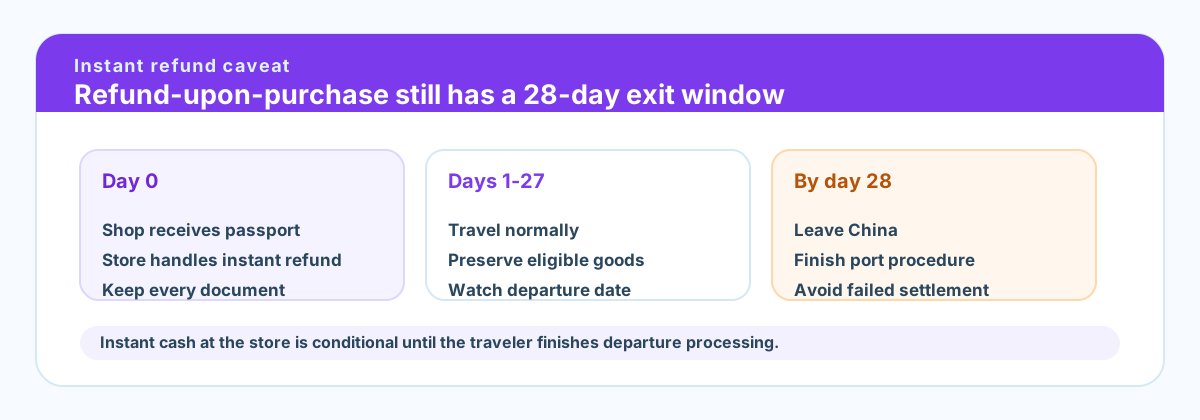
| Traveler using refund-upon-purchase | Treat the store refund as conditional until you leave China and finish the departure procedure within the standardized 28-day window. | The May 2026 policy package also supports cross-location completion of refund-upon-purchase procedures. |
Detailed Guide
What changed
China’s May 2026 departure tax refund 2.0 package has one rule foreign shoppers can plan around: from July 1, 2026, customs authorities will randomly select refund application forms involving sales under 10,000 yuan for physical inspection, while forms involving sales of 10,000 yuan or more will still be physically checked one by one.
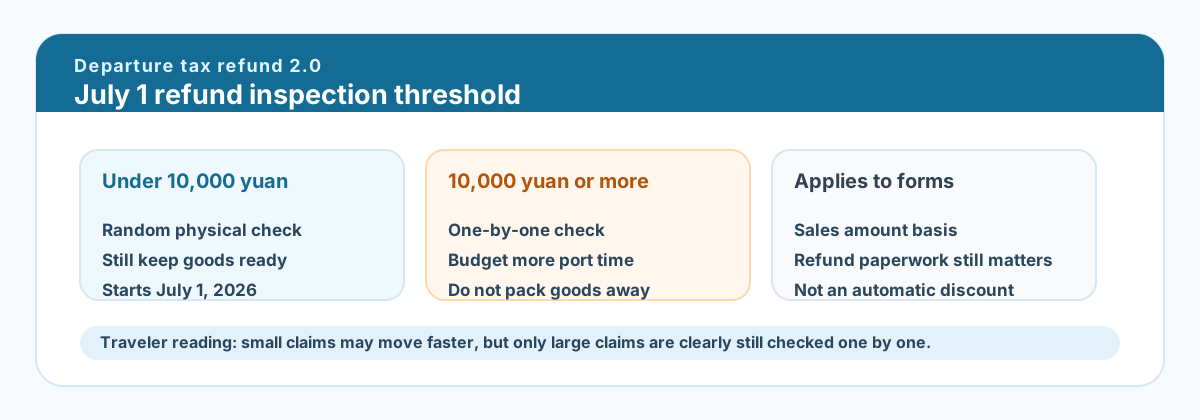
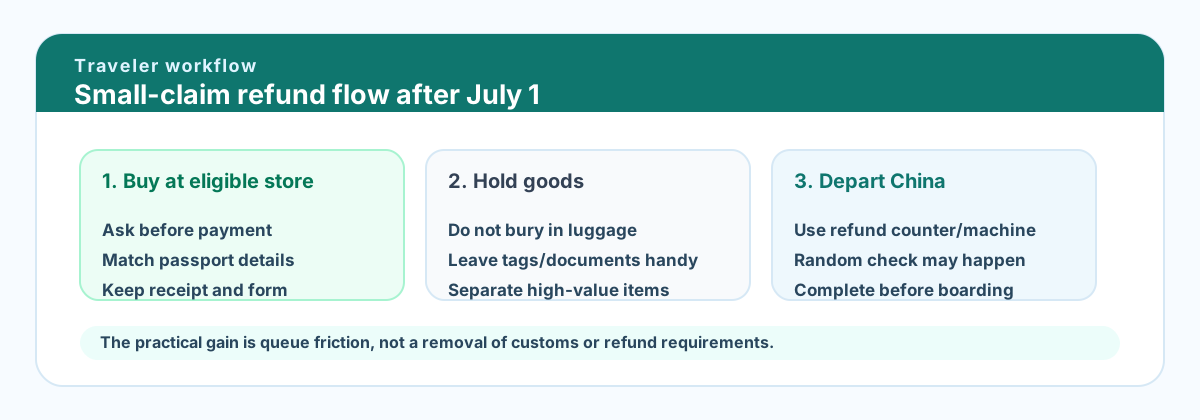
For travelers, the practical meaning is faster odds for smaller claims, not a simpler eligibility rule. You still need to buy from a participating tax refund store, keep the refund paperwork, keep the goods available for inspection, and complete the refund process before leaving China.
Who this affects
This affects overseas visitors who shop in China and expect a departure tax refund on eligible goods. It is especially relevant for electronics, jewelry, fashion, cosmetics, luggage, gifts, and other purchases that can quickly move a refund form toward the 10,000 yuan inspection threshold.
The update also matters for refund-upon-purchase services. The official package standardizes the departure completion window to 28 days and supports travelers completing the departure refund procedure at a port outside the place where they shopped, but the money should still be treated as conditional until the port step is complete.
What travelers should do now
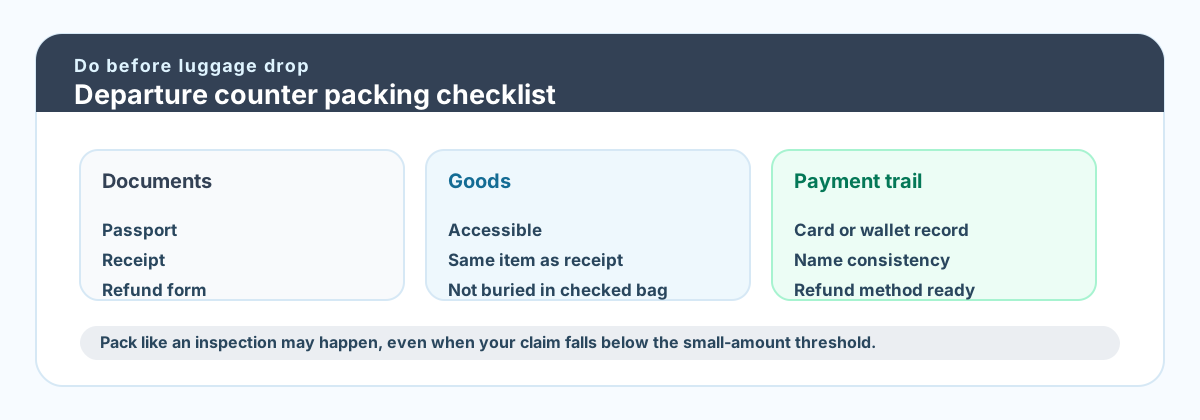
Before paying for a claim-worthy purchase, ask the store three direct questions: whether it is registered for departure tax refunds, which documents it will issue, and what you must show at the airport or port. Then keep the passport, receipt, refund form, payment record, and goods together as one evidence stack.
If your refund form is under 10,000 yuan in sales, plan for a lighter process but do not assume zero inspection. If your form reaches 10,000 yuan or more, keep the relevant goods out of checked luggage until the one-by-one physical check is finished.
What is still unclear
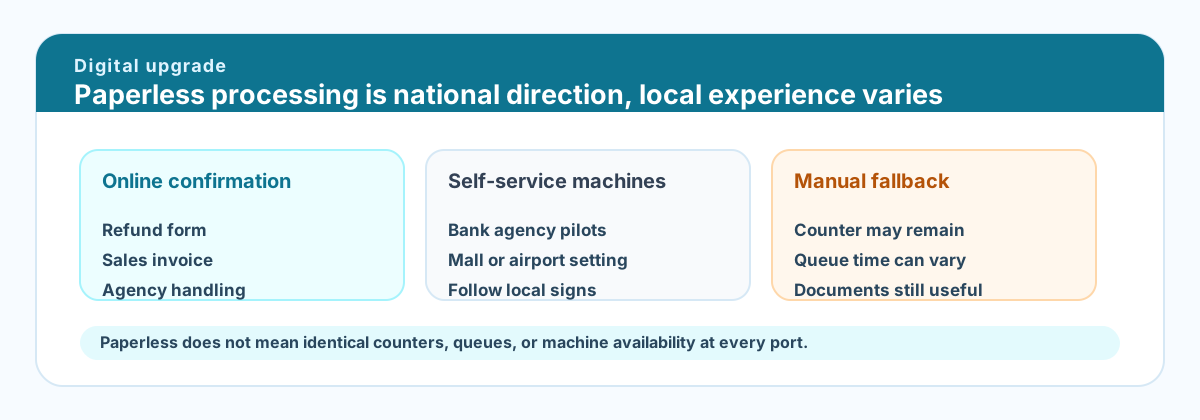
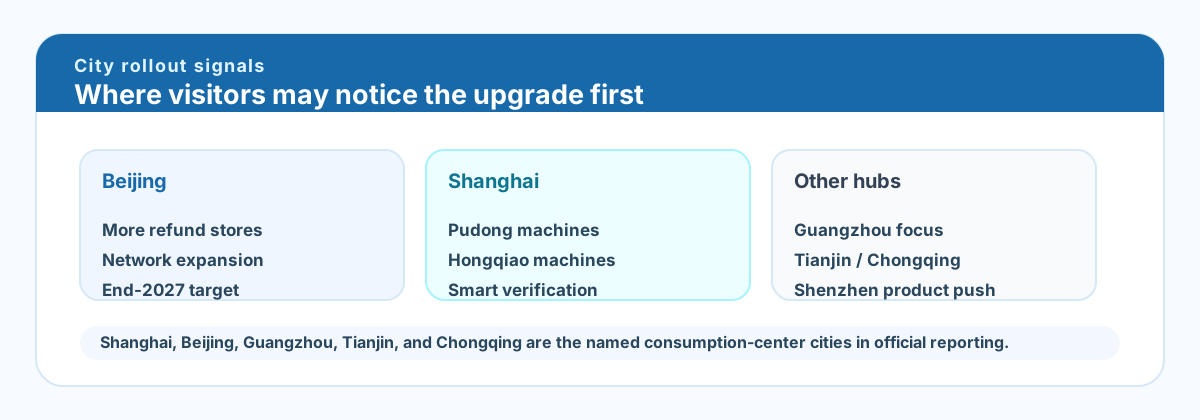
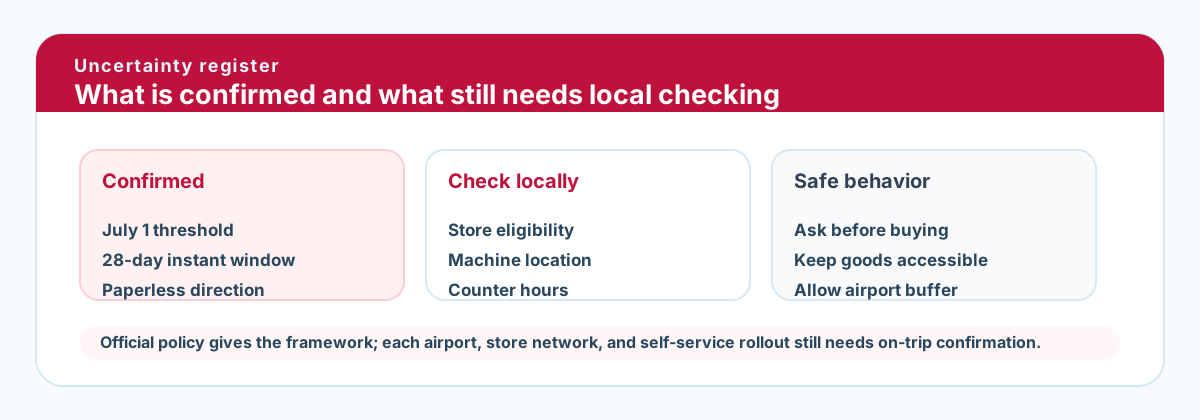
The national policy direction is clear, but store coverage, machine locations, counter hours, paperless readiness, and airport queue behavior will still vary locally. A traveler should treat official policy as the framework and confirm the operational details at the store and departure port during the trip.
Source notes
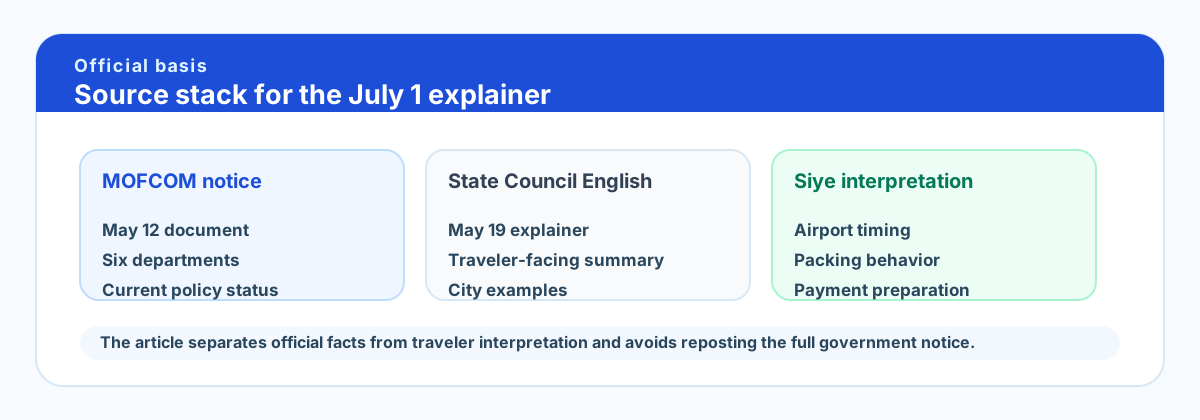
This explainer is based on official Chinese and English government sources checked on May 31, 2026, including the Ministry of Commerce notice and State Council English reporting. It summarizes the traveler impact rather than reposting the full notice.
Step-by-Step Checklist
- 1Confirm the store is a departure tax refund store before paying.Wider coverage does not make every store eligible.
- 2Keep passport details, receipts, refund forms, and payment records consistent.Small mismatches can slow the counter or machine step.
- 3Pack eligible goods where they can be shown at the airport or port.Random checks still exist for smaller forms, and large forms still get one-by-one checks.
- 4Leave an airport buffer if a claim matters to your budget.The policy is designed to reduce waiting, not remove the departure step.
Common Mistakes
- Reading random inspection as no inspection. It means selected smaller forms can still be checked, while larger forms remain routine checks.
- Using the 10,000 yuan threshold as a shopping target. Buy what you need; the threshold affects inspection handling, not product eligibility by itself.
- Assuming instant refund means finished refund. Refund-upon-purchase still requires completion at departure within the stated window.
FAQ
What exactly changes on July 1, 2026?
China will use random physical inspections for departure tax refund application forms involving sales under 10,000 yuan. Forms involving 10,000 yuan or more will still be inspected one by one.
Does the 10,000 yuan threshold mean purchases under that amount always get refunded faster?
Not always. Smaller forms should face less routine inspection, but the refund still depends on store eligibility, documents, goods, and the departure procedure.
Do I still need to show goods at the airport?
You should be prepared to show them. Smaller applications can still be randomly selected, and larger applications remain subject to one-by-one inspection.
Sources and Update Notes
- MOFCOM notice on further optimizing departure tax refund measures and expanding inbound consumption Checked May 31, 2026 for the official May 12, 2026 notice, July 1 random inspection rule, paperless processing, and 28-day refund-upon-purchase window.
- China improves departure tax refund services to boost inbound consumption Checked May 31, 2026 for State Council English-language reporting on the departure tax refund 2.0 package and city rollout examples.
- China to optimize departure tax refunds to boost inbound consumption Checked May 31, 2026 for the initial English summary of the eight-measure package.