Entry Policy
China Departure Tax Refund 2026: What Foreign Visitors Should Know
China's 2026 departure tax refund update aims to add more refund stores, reduce port inspection waits for smaller claims, and improve refund-upon-purchase services.
Quick Answer
China announced a new package of departure tax refund measures in May 2026 that should make eligible shopping refunds easier for some foreign visitors. The practical changes include wider coverage of tax refund stores, more digital and paperless processing, improved refund-upon-purchase services, and a July 1, 2026 inspection change: refund application forms involving sales under 10,000 yuan will move to random physical inspections, while forms at 10,000 yuan or above will still be inspected one by one. Travelers should still keep receipts, refund forms, passport details, payment cards, and purchased goods ready for departure checks.
Best Option by Scenario
| Scenario | Best option | Notes |
|---|---|---|
| Visitor shopping in Beijing, Shanghai, Guangzhou, Tianjin, or Chongqing | Expect the strongest rollout in major international consumption center cities, but confirm store eligibility before buying. | Official reporting says these five cities account for a large share of inbound visits and refund sales. |
| Traveler using refund-upon-purchase | Leave China within the required window and complete the port procedure before departure. | The new policy standardizes a 28-day window for this model. |
| Traveler with large purchases | Budget extra airport or port time if the application involves 10,000 yuan or more in sales. | Those forms are still expected to receive one-by-one physical inspection. |
Detailed Guide
What changed
China is upgrading its departure tax refund system for overseas travelers. The latest policy package, reported by the State Council’s English site on May 19, 2026, focuses on a more accessible, faster, more digital, and more standardized refund process.
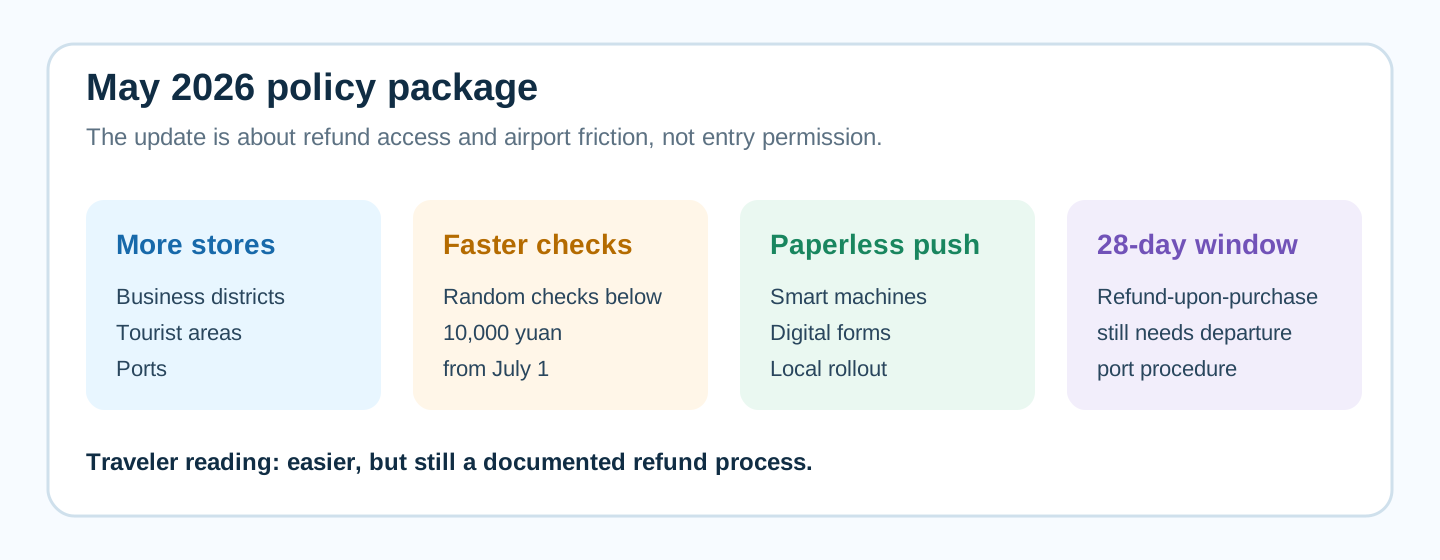
For visitors, the headline is not a new visa rule. It is a shopping and departure-process change. Authorities plan to expand the coverage of tax refund stores, support more service points in business districts, tourist attractions, markets, and ports, improve paperless processing, and continue developing refund-upon-purchase services.
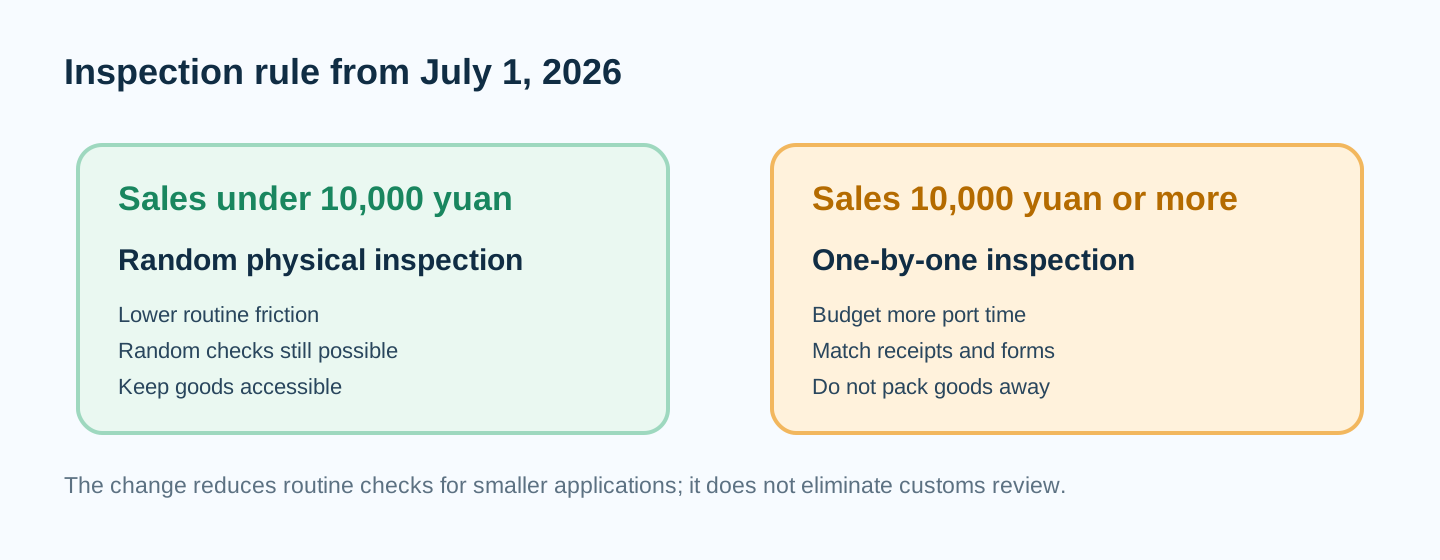
The most concrete date in the official report is July 1, 2026. From that date, customs authorities will use random physical inspections for departure tax refund application forms involving sales of less than 10,000 yuan. Forms involving sales of 10,000 yuan or more will still be inspected one by one.
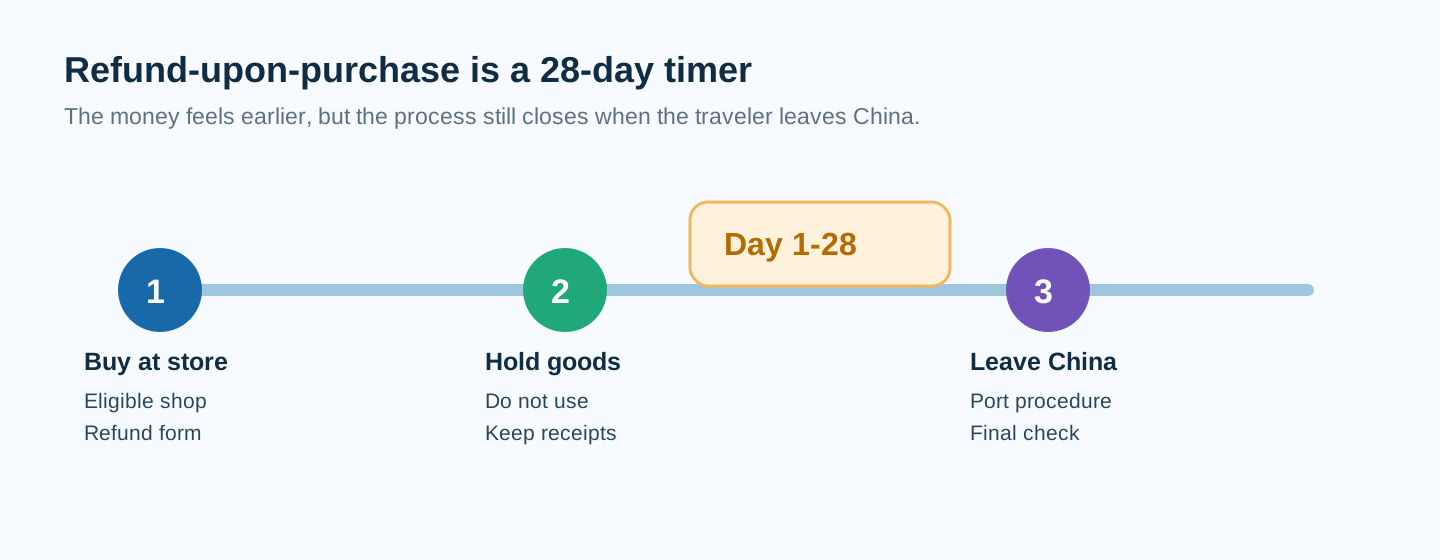
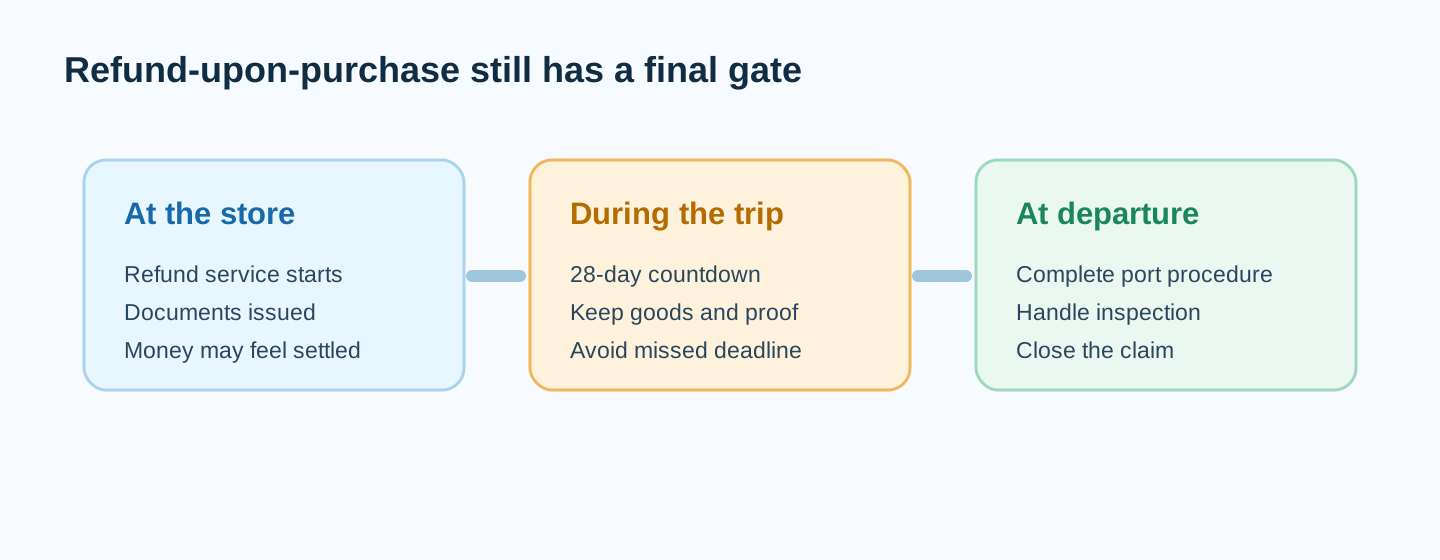
The policy also says travelers using refund-upon-purchase services will have 28 days to leave China and complete the relevant departure tax refund procedures. That time limit is being standardized nationwide.
Who this affects
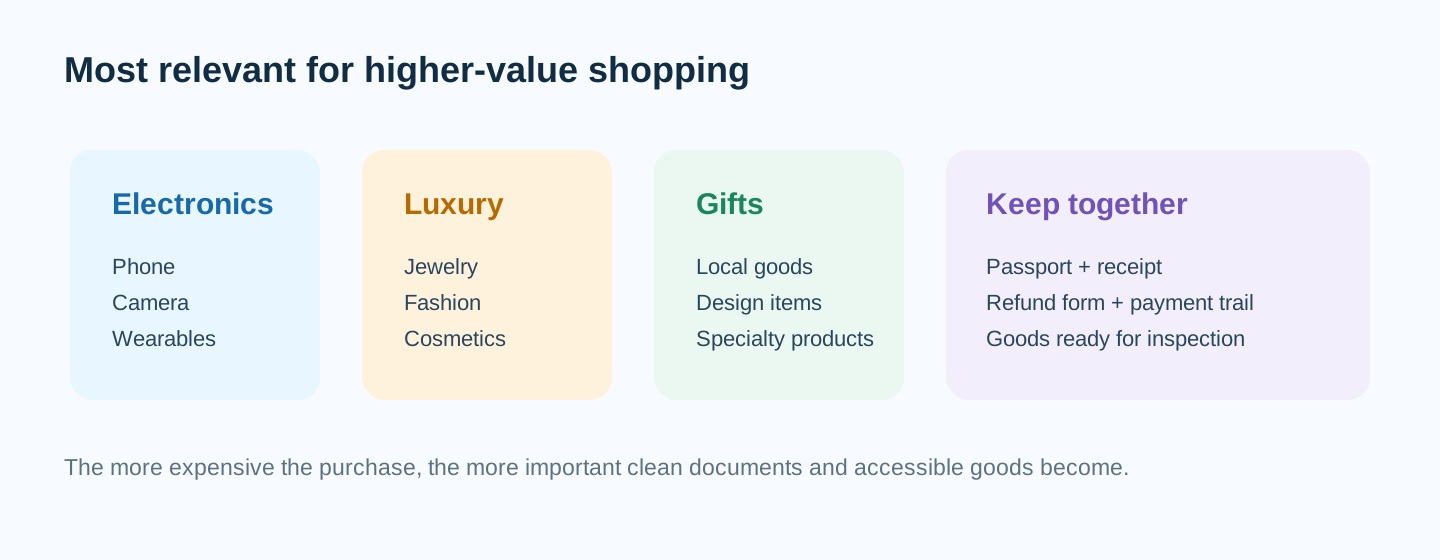
This affects overseas visitors who plan to shop in China and claim a departure tax refund on eligible purchases. It is most relevant if you are buying electronics, jewelry, fashion, cosmetics, gifts, or other higher-value goods at stores that participate in the refund program.
The rollout is likely to feel most visible in major cities that already receive many international visitors. Official reporting specifically names Shanghai, Beijing, Guangzhou, Tianjin, and Chongqing as international consumption center cities. It also notes local examples: Beijing aims to broaden its refund network, Shanghai plans self-service query and smart verification machines at Pudong and Hongqiao airports, and Shenzhen wants more locally made products such as drones, jewelry, smartphones, and smart wearables in tax refund stores.
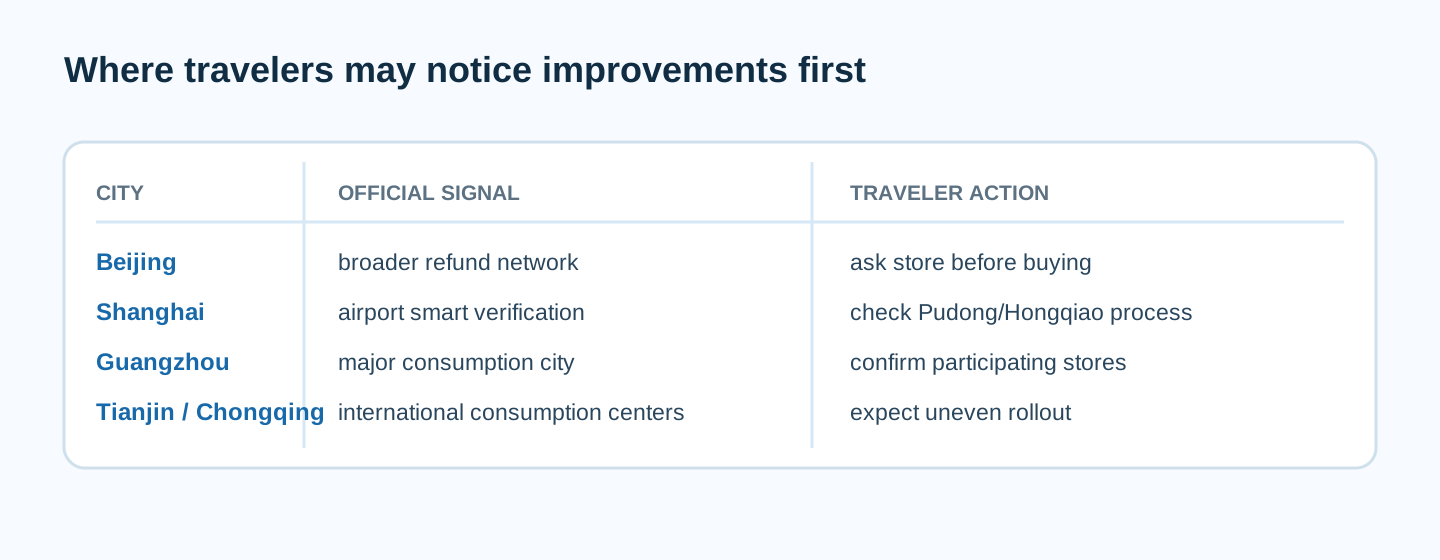
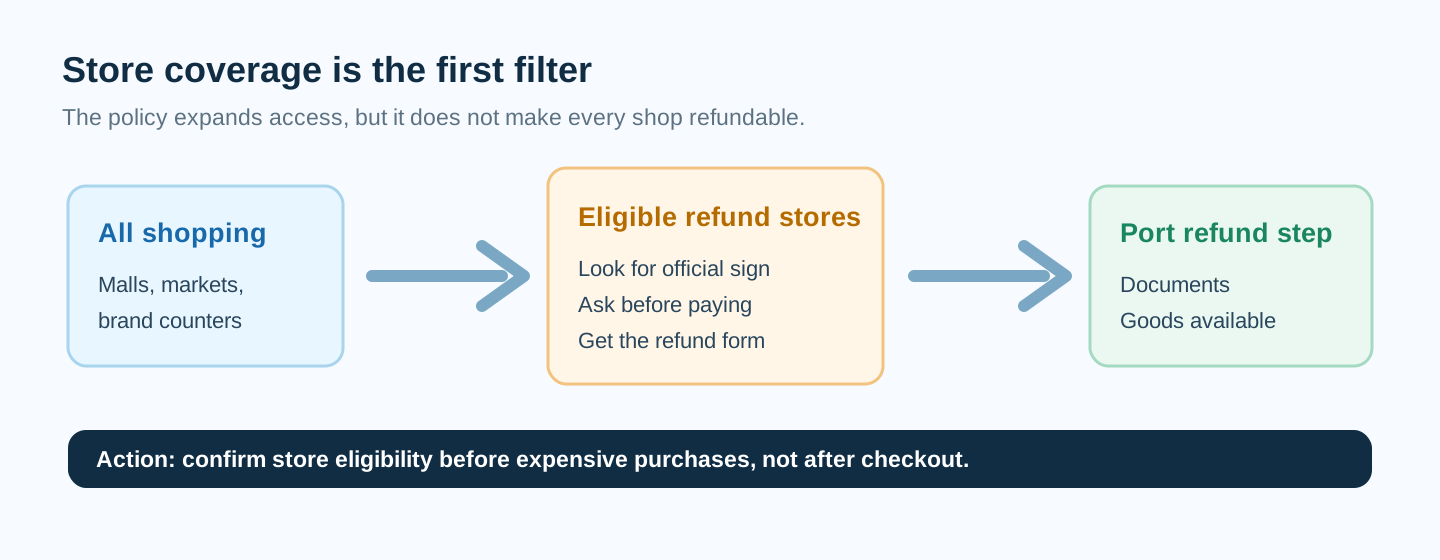
This does not mean every shop in these cities will support refunds. Store eligibility still matters. A traveler should check before buying, especially for expensive purchases.
What travelers should do now
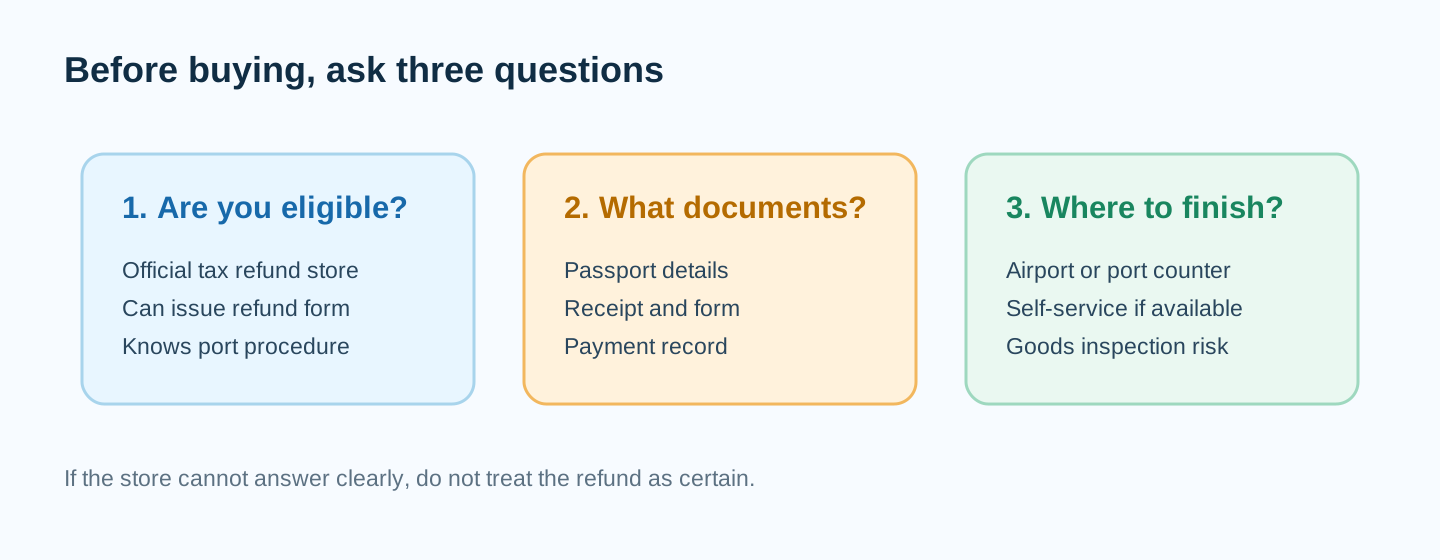
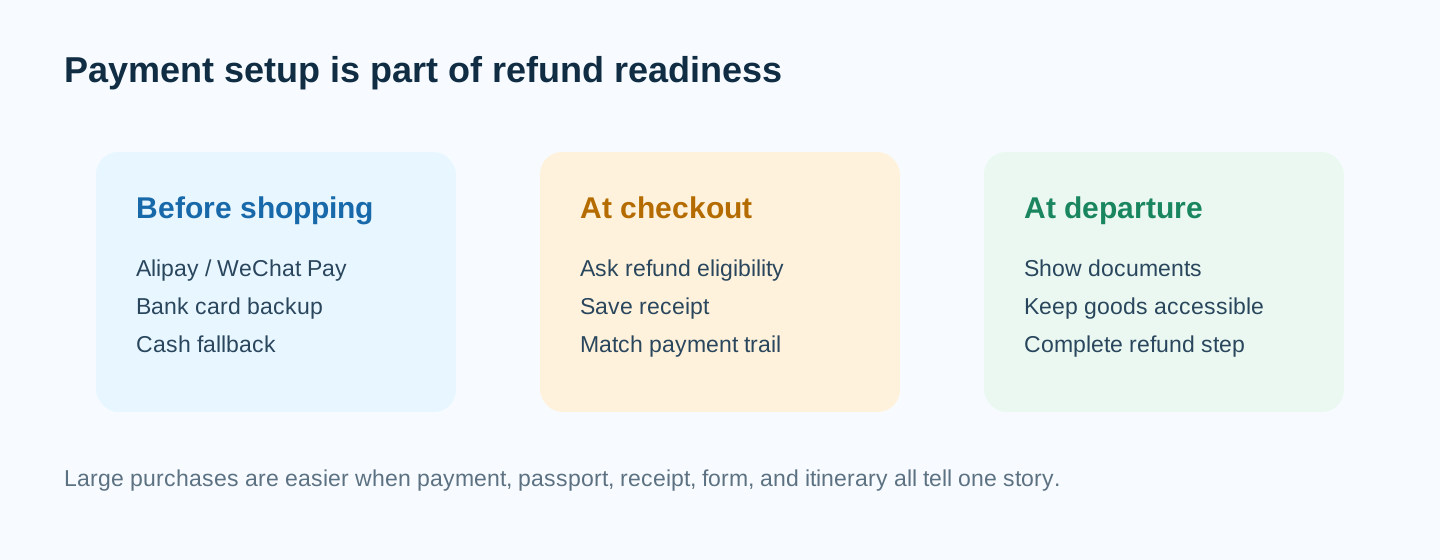
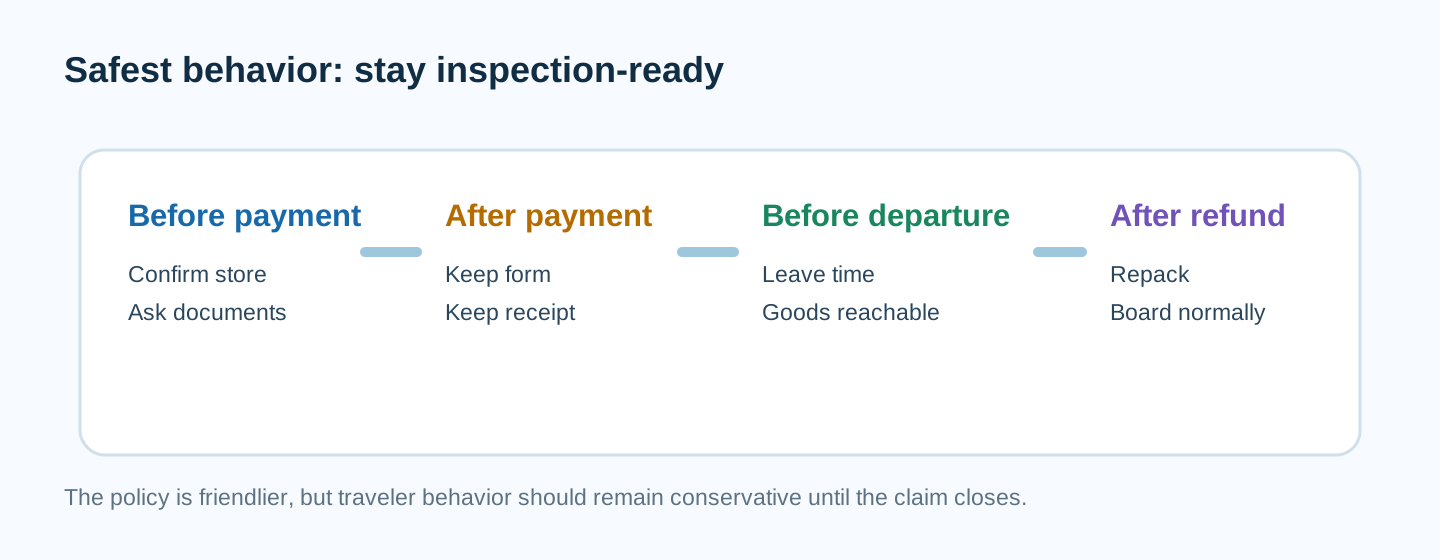
If tax refunds are part of your China shopping plan, treat the refund as a process rather than a simple discount. Before paying, ask whether the store is a departure tax refund store and what paperwork you need. Keep your passport information consistent. Save the receipt, refund form, payment-card details, and any store-provided documents.
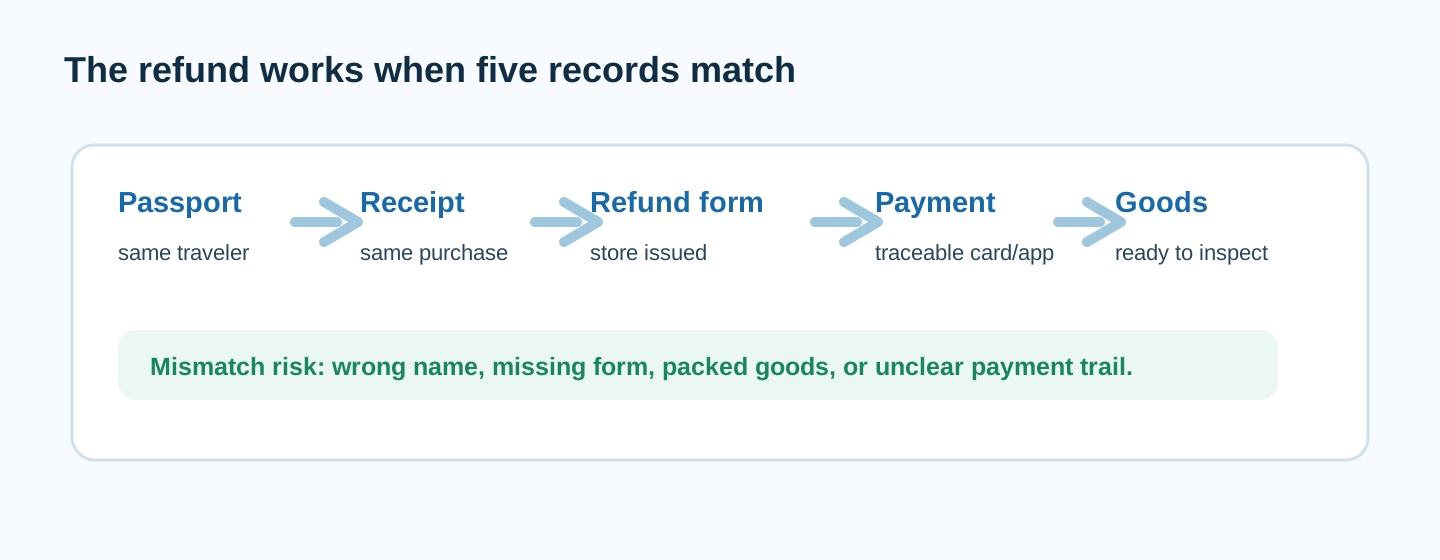
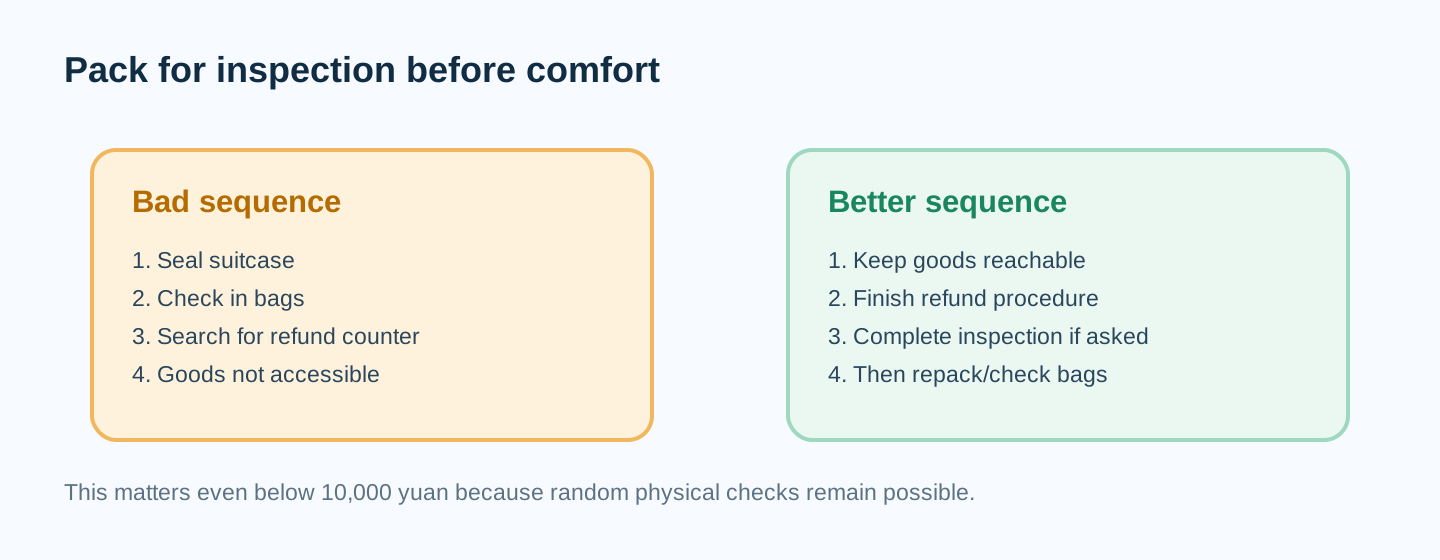
At departure, keep the goods accessible until the refund process is complete. The July 2026 change should reduce routine inspection friction for smaller claims, but random checks are still possible. Large applications involving 10,000 yuan or more in sales should still be prepared for one-by-one inspection.
If you use refund-upon-purchase, do not treat the money as fully settled until you complete the departure procedure. The official report says travelers using that service will have 28 days to leave China and complete the relevant procedure at the port.
For practical trip planning, this update belongs next to payment preparation. If you intend to shop, make sure your Alipay, WeChat Pay, bank card, and backup cash setup works before you start making large purchases. Refunds are easier when your payment trail, passport details, and departure plan are tidy.
What is still unclear
The official English reports describe the national policy direction and several local examples, but they do not provide a complete public list of every store, mall, airport counter, or self-service machine that will support the upgraded process.
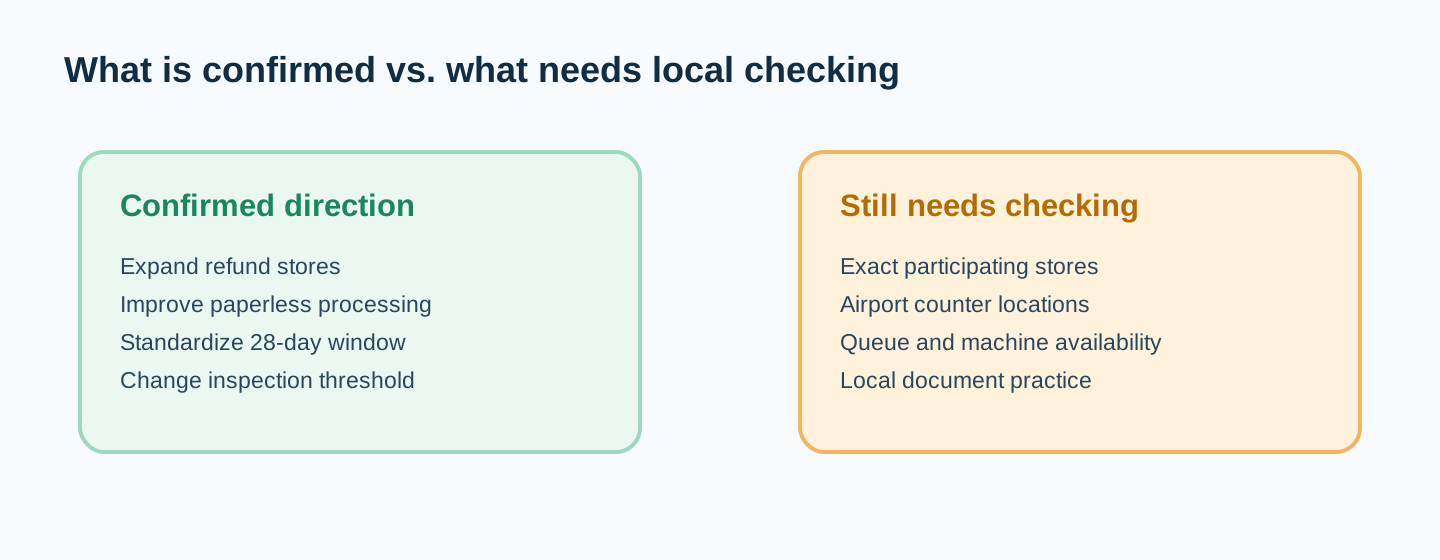
It is also not yet safe to assume that paperless processing will feel identical in every city. Local implementation can differ, and travelers may still see different counter locations, queue times, documentation practices, and bank-card handling depending on the airport or port.
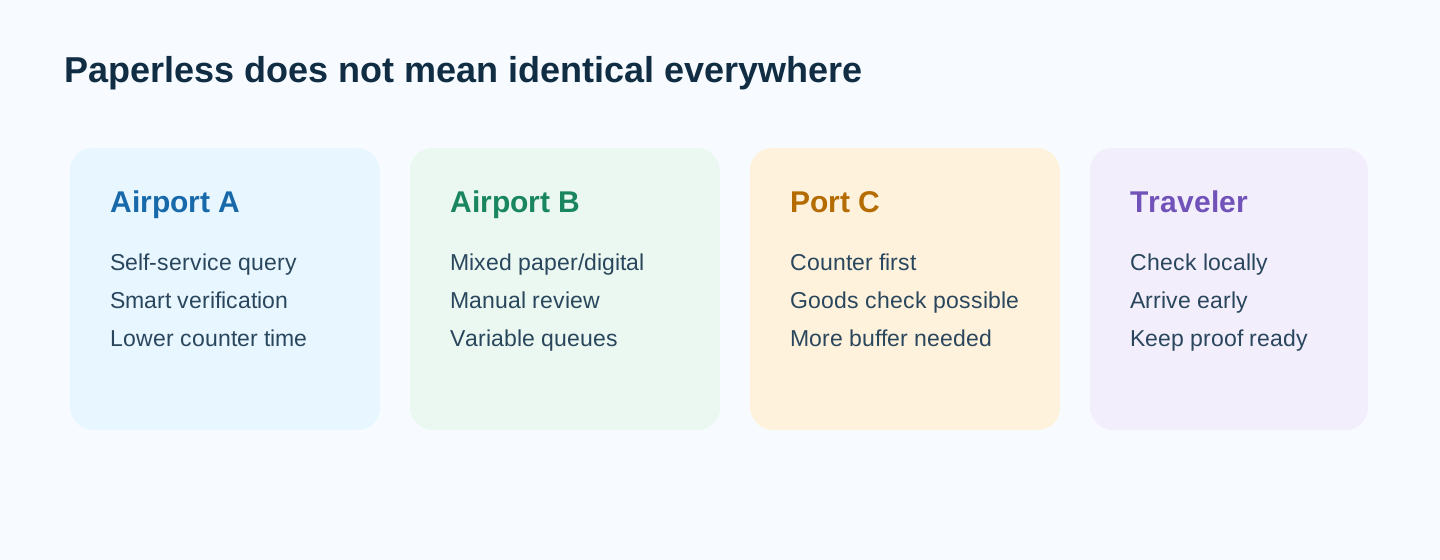
The safest interpretation is practical: the direction is friendlier to foreign shoppers, but travelers should still keep documents and goods ready until the refund is complete.
Source notes
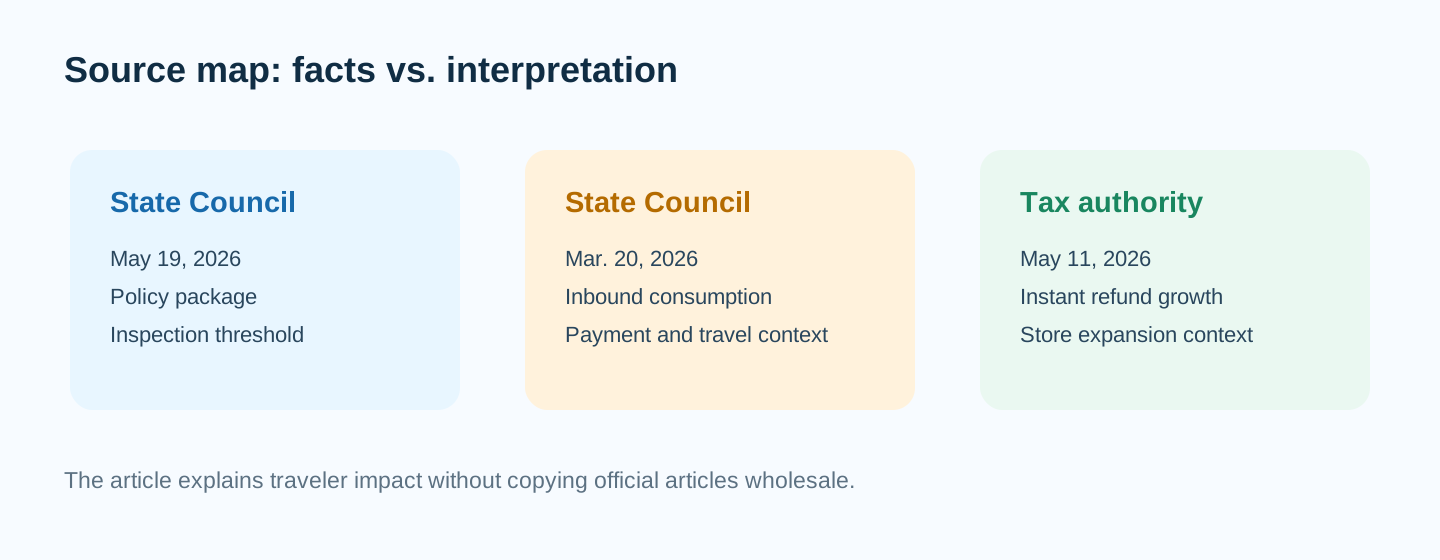
This explainer is based on official English-language government sources checked on May 27, 2026. The main source is the State Council English report dated May 19, 2026. A March 20, 2026 State Council English report provides broader context on China’s inbound consumption measures, including visa-free policy, departure tax refunds, and payment convenience. A State Taxation Administration English report dated May 11, 2026 provides background on the growth of instant tax refunding for overseas visitors.
Step-by-Step Checklist
- 1Look for stores officially marked for departure tax refunds.Do not assume every mall, brand counter, or electronics store participates.
- 2Keep the goods unused and accessible until departure checks are complete.Ports may still need to inspect the goods, especially for larger claims.
- 3Match your passport, payment, receipt, and refund paperwork.Small name, date, or document mismatches can slow a refund.
- 4Plan airport time around the refund counter or self-service process.The policy is designed to reduce friction, but it does not remove the departure step.
Common Mistakes
- Treating tax refund policy as an automatic discount. It is a refund process with store, paperwork, goods, passport, and departure requirements.
- Packing refunded goods too early. Keep eligible goods accessible until customs or refund checks are complete.
- Assuming the July 2026 inspection change means no checks. Smaller applications move to random physical inspections; larger applications still receive one-by-one checks.
FAQ
Does China now give instant tax refunds to all foreign shoppers?
No. Refund-upon-purchase is an expanding service, but it applies only through eligible stores and still requires the traveler to complete departure tax refund procedures when leaving China.
What changes on July 1, 2026?
For departure tax refund application forms involving sales under 10,000 yuan, customs authorities will conduct random physical inspections. Forms involving 10,000 yuan or more will still be inspected one by one.
Which cities are most likely to have better refund coverage?
Official reporting highlights Shanghai, Beijing, Guangzhou, Tianjin, and Chongqing as major international consumption center cities, with local plans to expand stores, airport machines, or product coverage.
Sources and Update Notes
- China improves departure tax refund services to boost inbound consumption Checked May 27, 2026 for the May 2026 policy package, July 1 inspection change, 28-day refund-upon-purchase window, and city rollout notes.
- China unveils measures to boost inbound consumption Checked May 27, 2026 for broader March 2026 inbound consumption measures covering visa-free policy, tax refunds, and easier payment services.
- China's instant tax refunding boosted overseas tourists to buy more Checked May 27, 2026 for State Taxation Administration English data on instant refund service growth and designated stores.