Destinations
Hangzhou Travel Guide: 3-Day West Lake, Lingyin and Longjing Route
Plan a first Hangzhou trip with a realistic 3-day route for West Lake, Lingyin Temple, Faxi Temple, Longjing tea villages, Xixi Wetland, the Grand Canal, old streets, food, metro, boats, and booking tips.
Quick Answer
For a first Hangzhou travel guide, plan two to three days around West Lake, Lingyin Temple, Longjing tea country, and one quieter canal or wetland block. Use day one for Broken Bridge, Quyuan Garden, a West Lake boat or Three Pools Mirroring the Moon, Leifeng Pagoda, and Qinghefang or Hefang Street at night. Use day two for Lingyin Temple, Feilai Peak, Faxi Temple, Longjing or Meijiawu tea villages, then Xiaohe Street or Wulin Night Market. Add Xixi Wetland or Gongchen Bridge and the Grand Canal if you have a third day. Book high-demand temple or pagoda entries when required, use AMap for Chinese place names, and avoid treating West Lake as one quick photo stop.
Best Option by Scenario
| Scenario | Best option | Notes |
|---|---|---|
| First-time visitor with three days | Use the full route: West Lake on day one, Lingyin and Longjing tea on day two, then Xixi Wetland or Gongchen Bridge and the Grand Canal on day three. | This keeps the Xiaohongshu-inspired route but adds enough breathing room for boats, hills, meals, and weather. |
| Two-day Hangzhou side trip | Keep day one around West Lake, Leifeng Pagoda, and Qinghefang; keep day two around Lingyin, Faxi Temple, Longjing, and Xiaohe Street. | Skip Xixi Wetland unless slow water scenery matters more than the classic temple and tea route. |
| Tea and nature traveler | Spend less time in shopping streets and more time in Longjing, Meijiawu, China National Tea Museum, Xixi Wetland, or a quieter West Lake causeway. | Spring tea season is beautiful but busy; verify harvest-season access and prices before committing to a tea house. |
| Food-focused traveler | Anchor meals around pian'erchuan, congbaohui, Dongpo pork, Longjing shrimp, West Lake vinegar fish, and dingsheng cake instead of only scenic restaurants. | West Lake food names are famous, but the easier wins are breakfast noodles, warm snacks, and one carefully chosen Hangzhou-style dinner. |
Detailed Guide
Hangzhou is the city to slow down in after Shanghai, Beijing, or a high-speed rail run through eastern China. The classic mistake is treating it as one lake photo and one temple. The better trip is a three-part route: West Lake for landscape and history, Lingyin and Longjing for the western hills, then either Xixi Wetland or the Grand Canal for a quieter third day.

The Xiaohongshu source Steven provided is a useful route signal: it highlights Lingyin Temple, Leifeng Pagoda, Quyuan Garden, Flower Harbor, Xiaohe Street, Broken Bridge, canal/wetland add-ons, and a food list led by congbaohui, Dongpo pork, West Lake vinegar fish, pian’erchuan, Longjing shrimp, and dingsheng cake. This English version keeps that structure but adds foreign-visitor pacing, booking checks, map names, and cleaner licensed visuals.
Best Area To Stay
For a first Hangzhou trip, stay near Wulin Square, Longxiangqiao, Fengqi Road, Hubin, or another central metro-connected area near West Lake. These bases make it easy to walk to the lake, reach Lingyin shuttle or bus routes, return after dinner, and avoid spending the trip in taxis.
If tea villages are the point of the trip, a Longjing or Meijiawu stay can be atmospheric, but it is less convenient for a first visit. You will trade easy metro access for morning mist, quieter tea-house time, and more dependence on ride-hailing or buses.
Day 1: West Lake, Leifeng Pagoda And Qinghefang
Start early at Broken Bridge or another northern West Lake entry, then move into a lake walk rather than one photo stop. UNESCO describes West Lake as a cultural landscape shaped by hills, causeways, islands, temples, pagodas, gardens, and designed views. That is why the lake makes more sense as a sequence of scenes than as a single attraction.
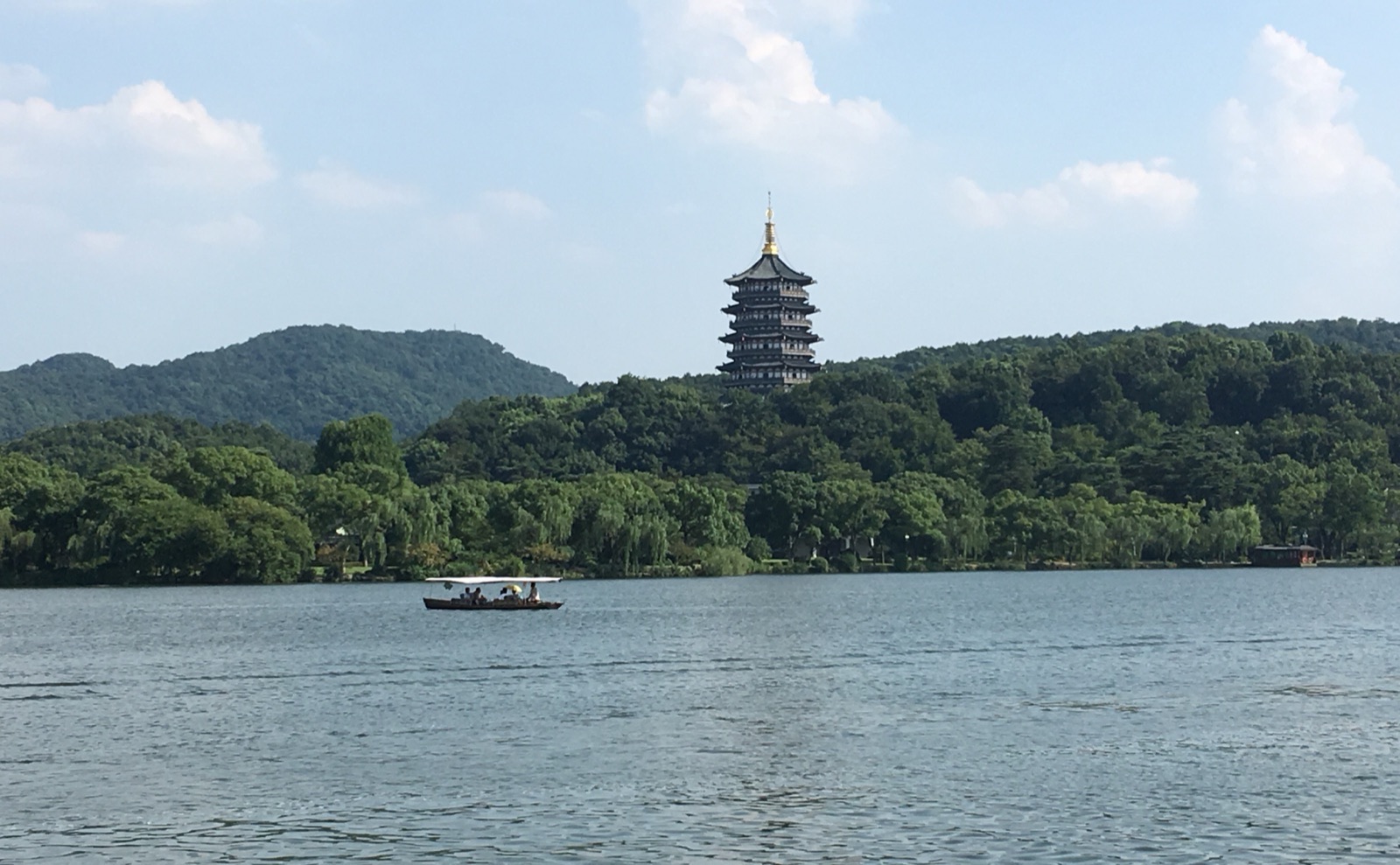
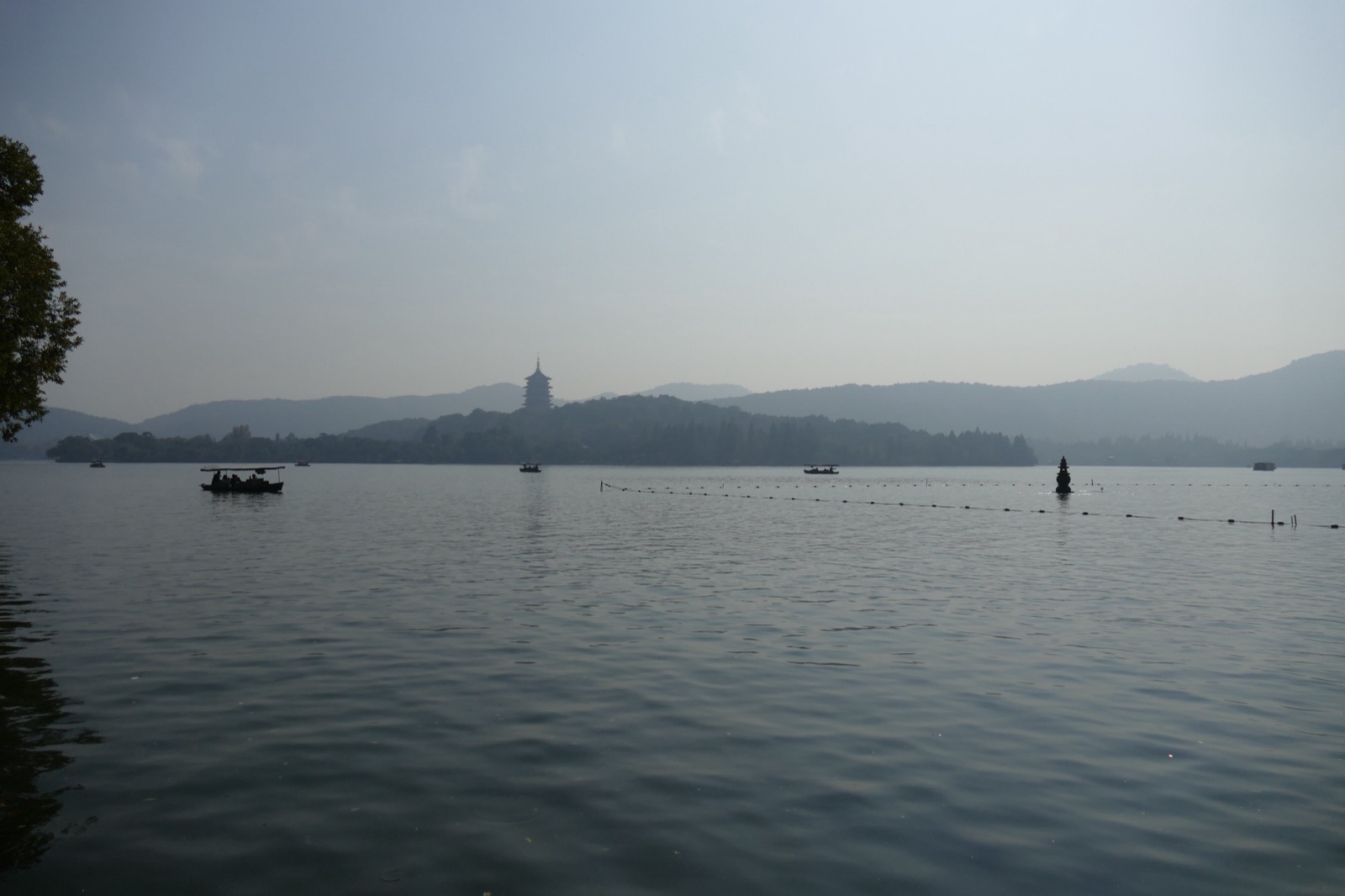
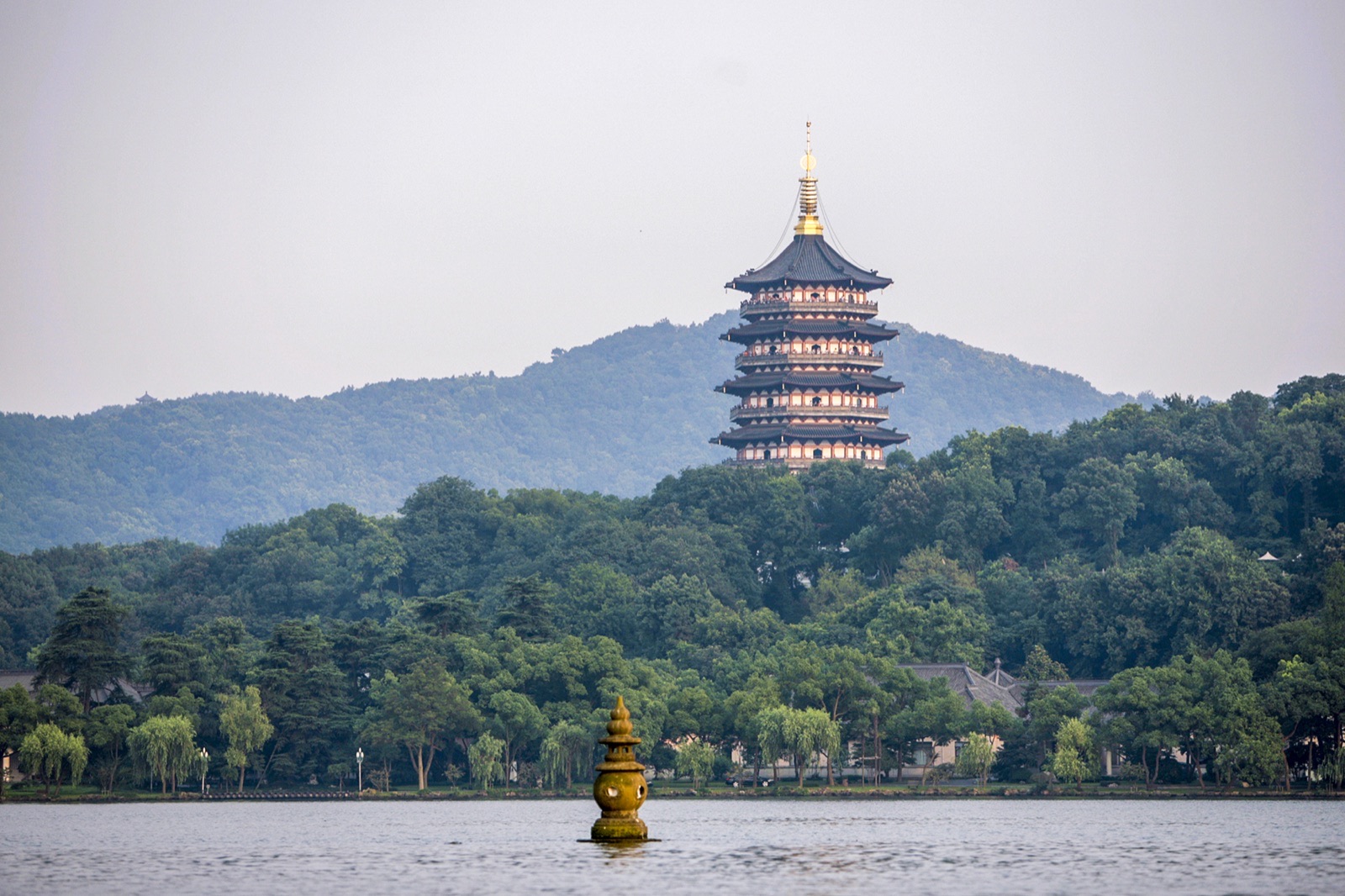
A practical day-one order is Broken Bridge, Bai Causeway or a northern lake section, Quyuan Garden, a boat toward Three Pools Mirroring the Moon if the weather works, then Flower Harbor or Leifeng Pagoda for the south-lake view. Do not force every named West Lake scene into one day. Two or three good views beat a tired lap around the lake.
For evening, go to Qinghefang or Hefang Street. Official Hangzhou material places Hefang Street near Wushan and West Lake, with old shops, cultural relics, and traditional city texture. It is touristy, but useful on a first night because food, snacks, souvenirs, and old-city walking are in one compact block.
Day 2: Lingyin Temple, Faxi Temple And Longjing Tea
Make day two the western-hills day. Start early at Lingyin Temple and Feilai Peak. eHangzhou places Lingyin west of West Lake, at the foot of Beigao Peak, facing Feilai Peak across a stream. In real travel terms, this means forested slopes, temple courtyards, carved grottoes nearby, and heavier crowds than a map may suggest.
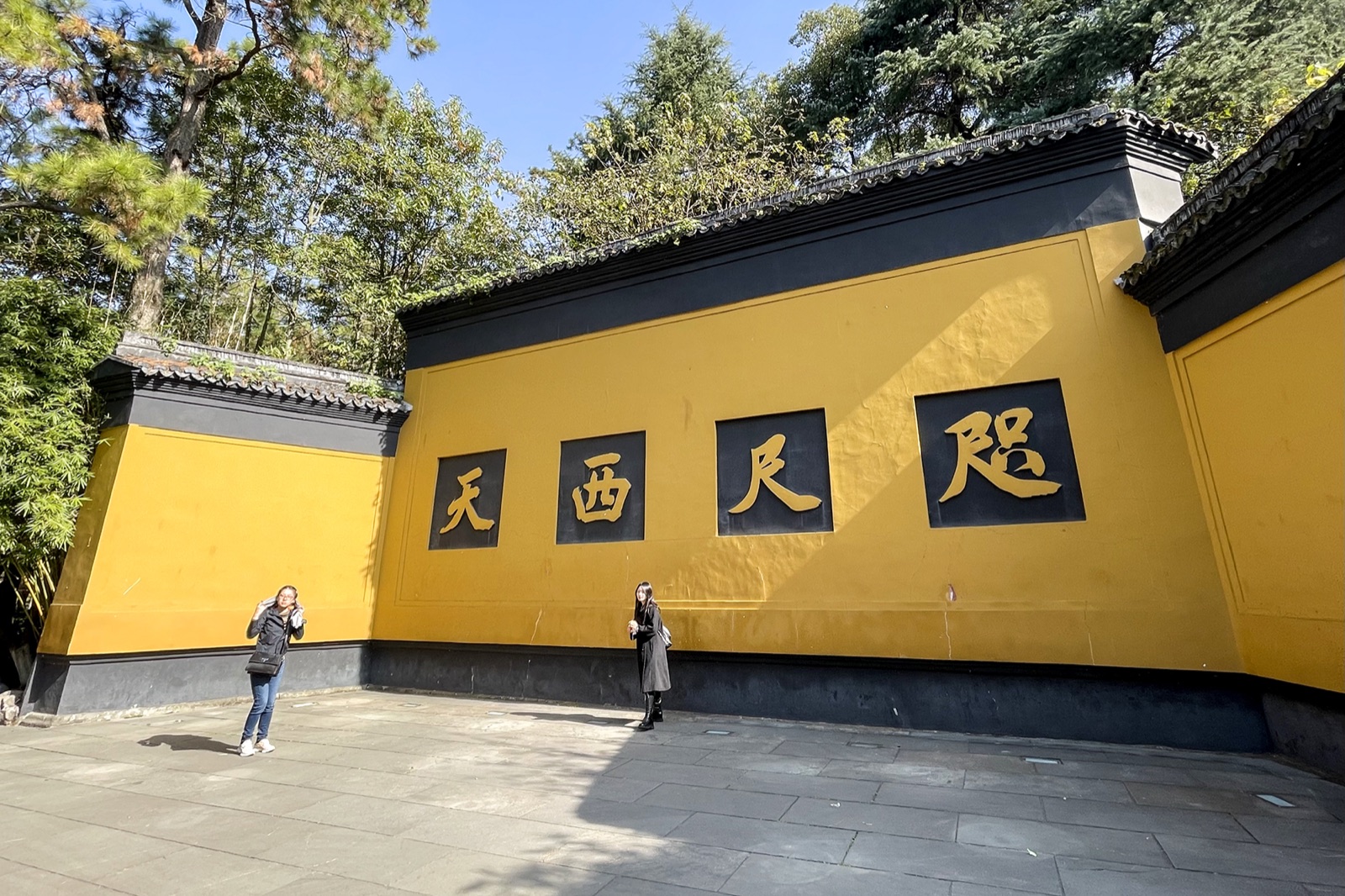
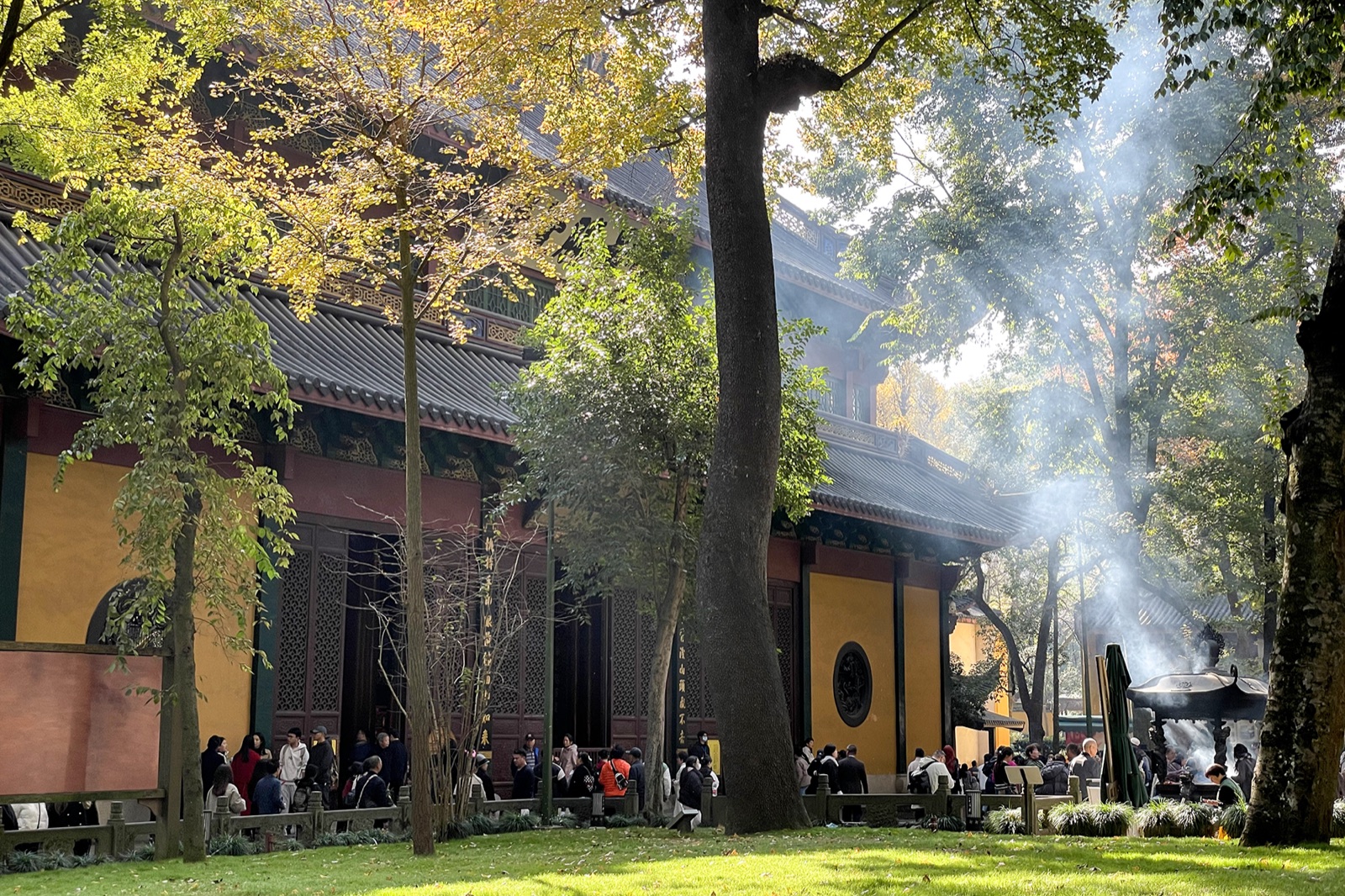
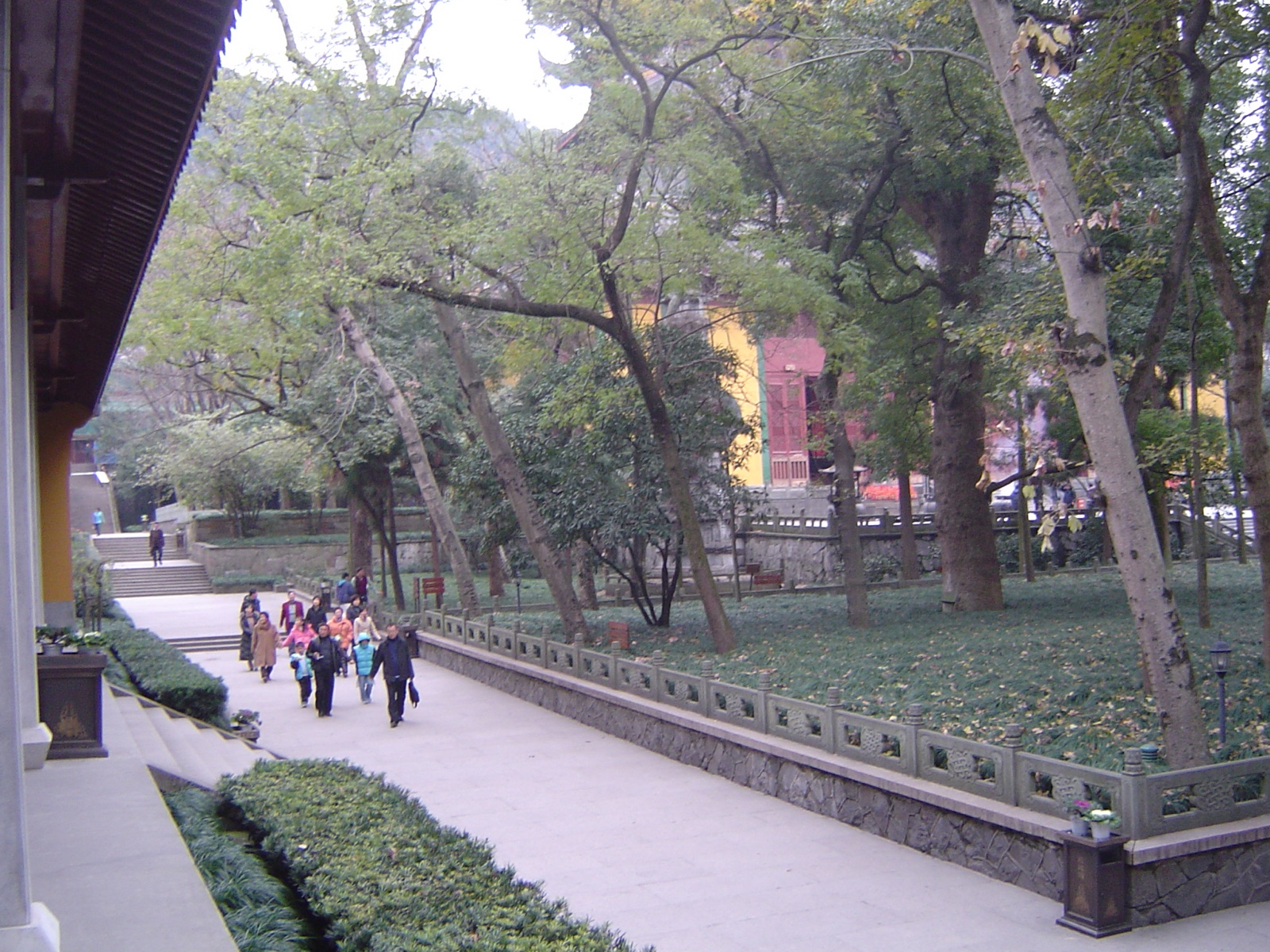
After Lingyin, continue to Faxi Temple if the current route and entry rules make sense. Keep the tone respectful: quiet voices, modest clothing, no flash where prohibited, and no pressure to buy incense outside the scenic area. If the morning was crowded or rainy, Faxi plus a simple vegetarian lunch can be enough before tea country.
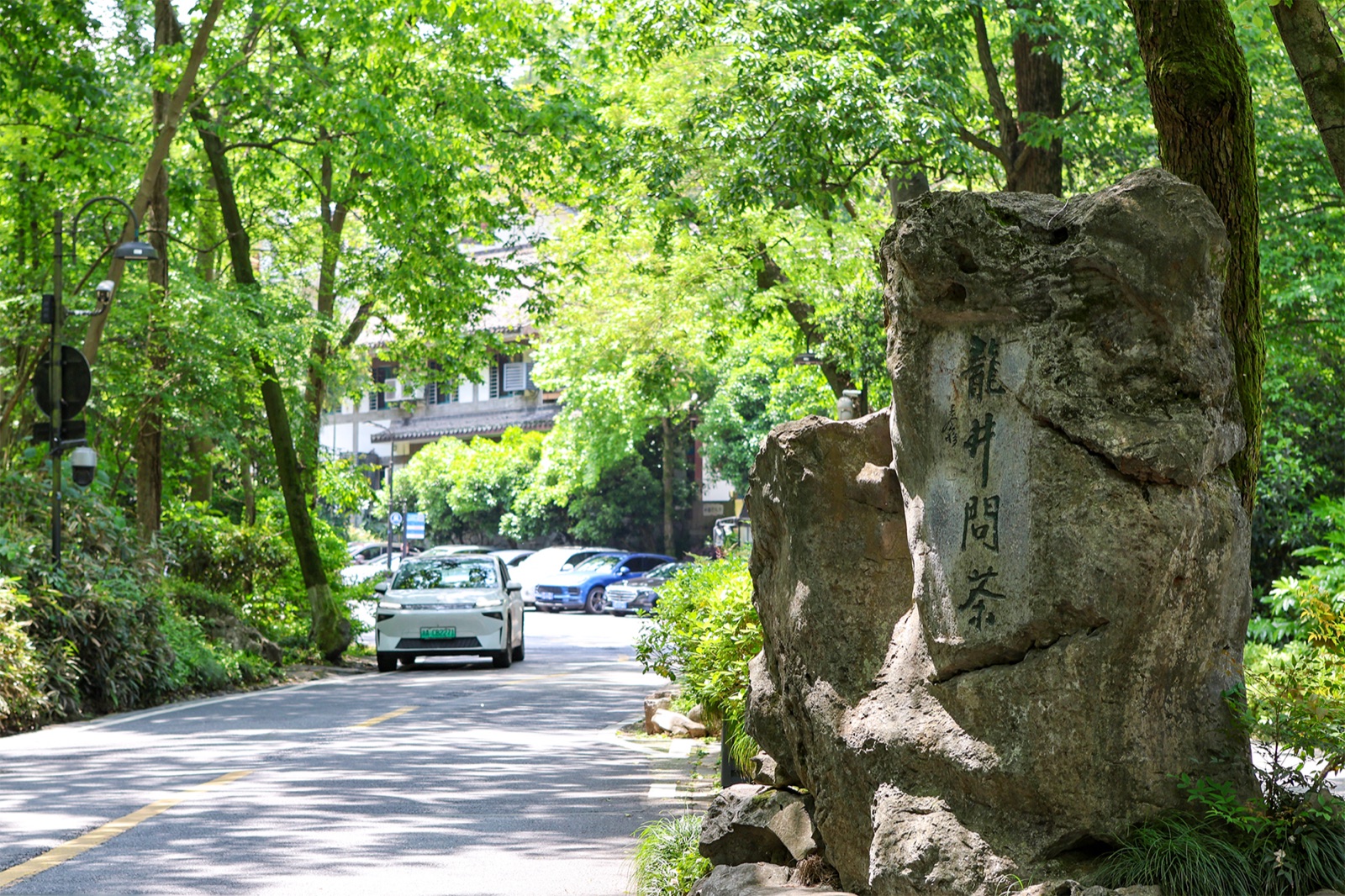
In the afternoon, go to Longjing Village, Meijiawu, or China National Tea Museum depending on your interest. Official Hangzhou tourism material ties Longjing tea to West Lake’s Shifeng Mountain area and frames Hangzhou tea houses and restaurants as the best place to experience it. Agree on tea prices before tasting or buying, especially in high-demand spring periods.
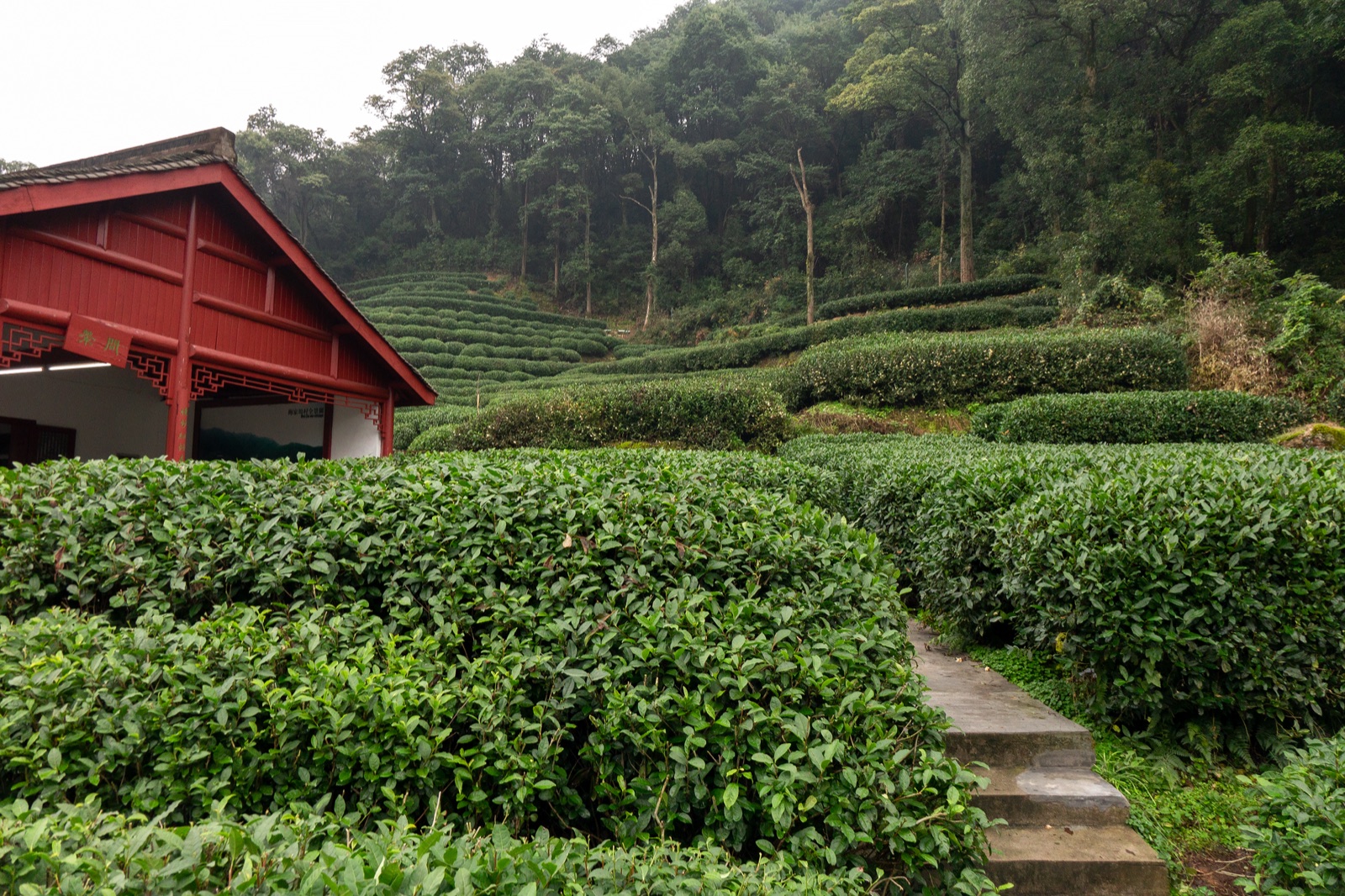
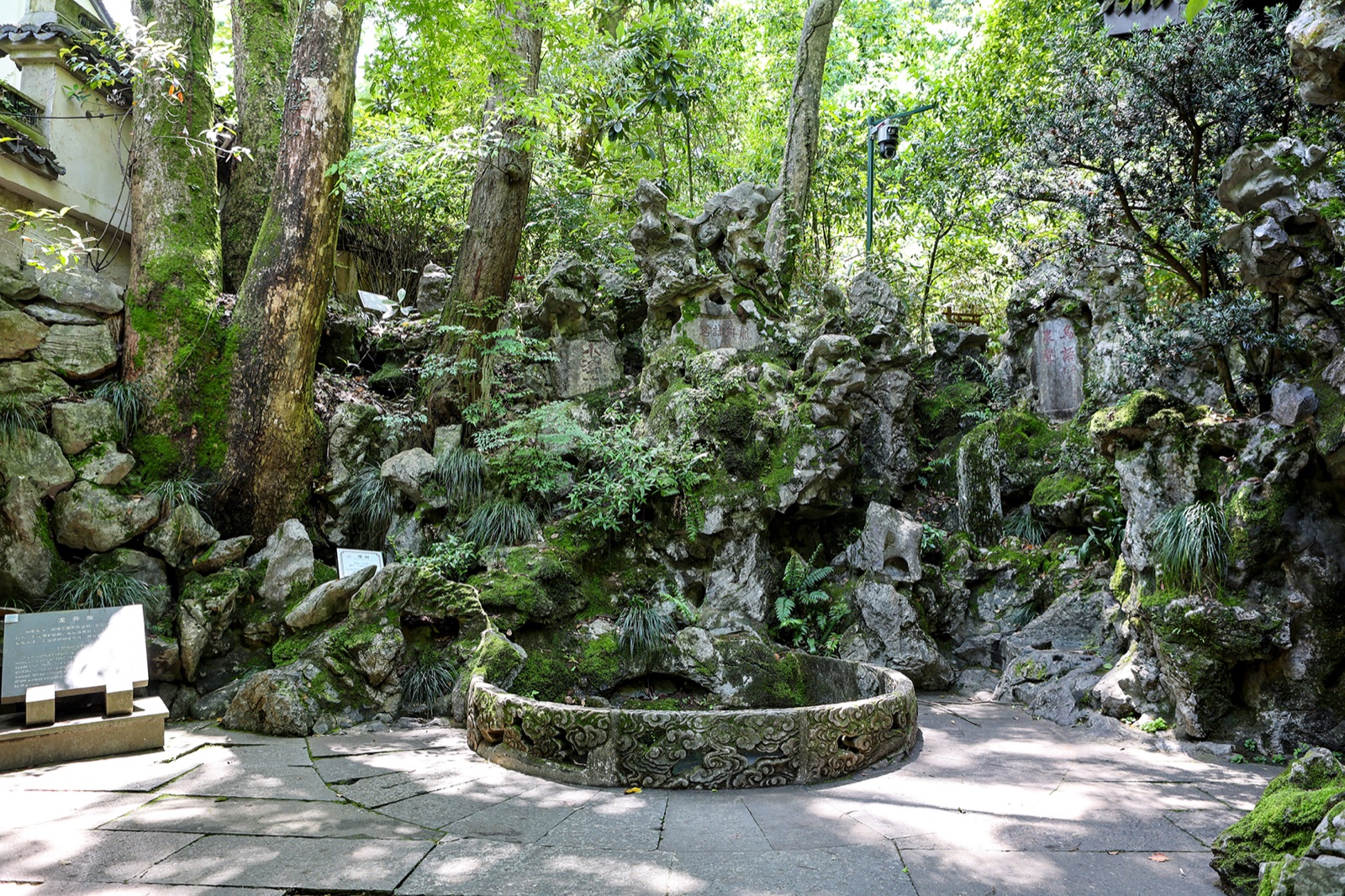
For night, choose Xiaohe Street, Wulin Night Market, or a quiet dinner near your hotel. Xiaohe Street gives a canal-side old-neighborhood feel without repeating Qinghefang exactly. Wulin is easier if you want snacks, shopping, and a central return.
Day 3: Xixi Wetland Or The Grand Canal
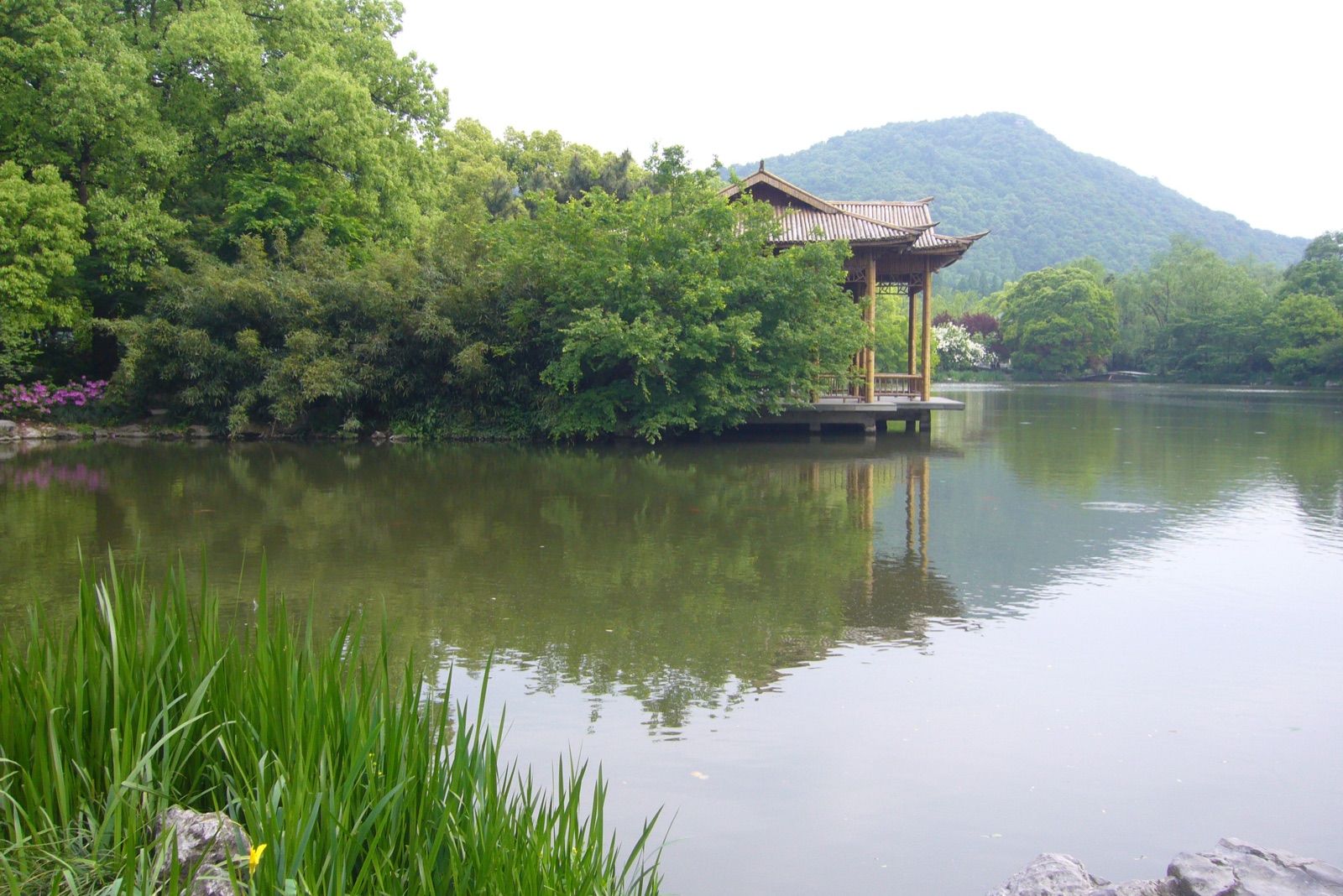
With a third day, choose one quieter water landscape. Xixi Wetland sits west of the city and official tourism material describes it as a national wetland park combining urban, farming, and cultural wetland scenery. It suits travelers who want boats, reeds, slower walking, and a different texture from West Lake.
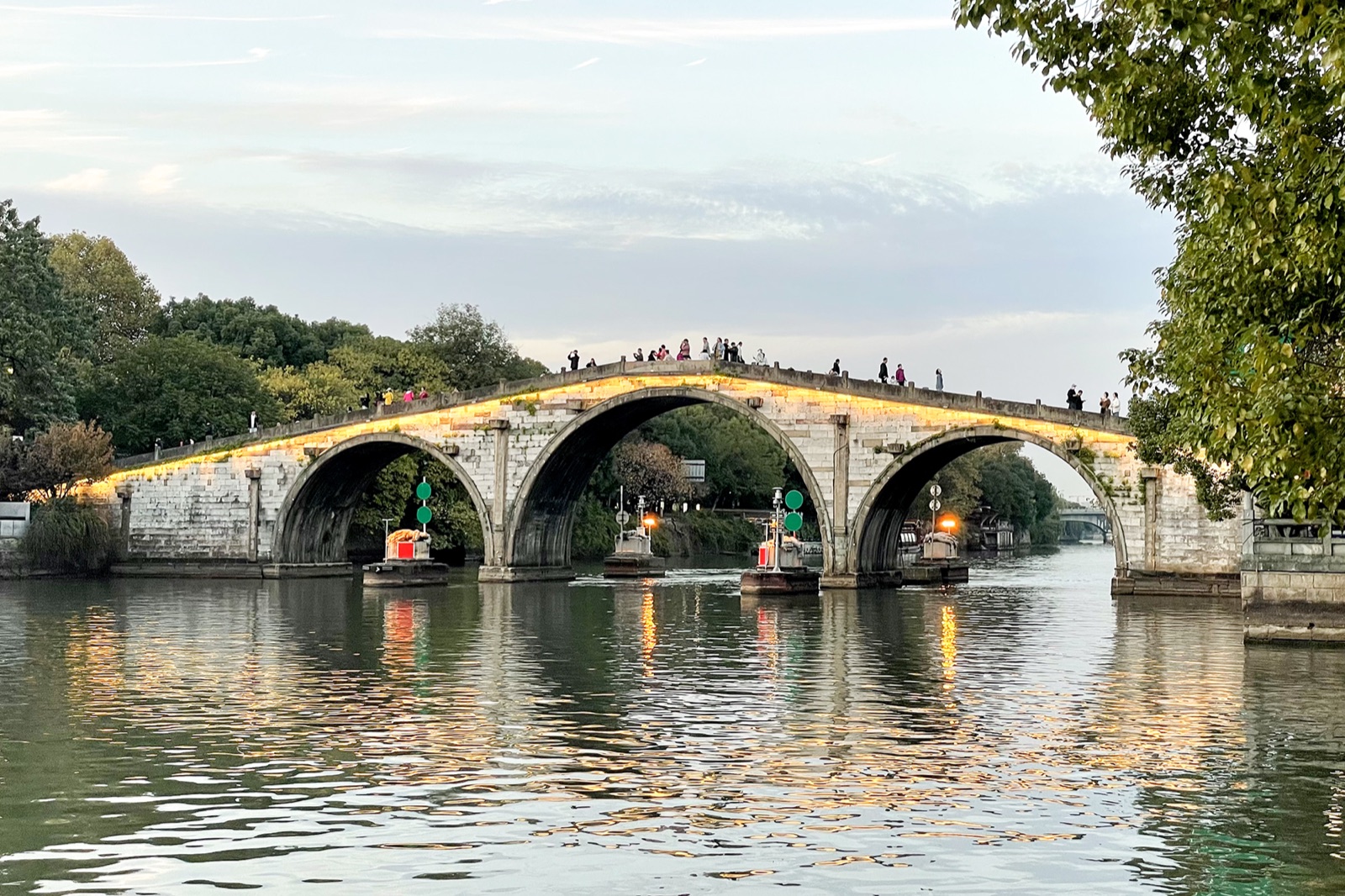
If heritage streets and city texture matter more, go north to Gongchen Bridge and the Grand Canal area. eHangzhou describes Gongchen Bridge as a landmark at the southern end of the Grand Canal. Pair it with canal-side museums, Dadou Road, Xiaohe Street if you skipped it, or a slow cafe-and-walk afternoon.
Do not add Songcheng, Liangzhu, Qiandao Lake, Shaoxing, Wuzhen, and Xixi into the same third day. Those can be good choices, but they are not small extras. Pick one direction and let it be the day.
What To Eat In Hangzhou
Hangzhou food is lighter and sweeter than many first-time China visitors expect. The official Hangzhou-style food tour names West Lake vinegar fish, Longjing shrimp, Beggar’s Chicken, Dongpo pork, Hangzhou sauced duck, pian’erchuan, congbaohui, dingsheng cake, and food streets such as Wulin Night Market, Shengli River, Hefang Street, and Dadou Road.
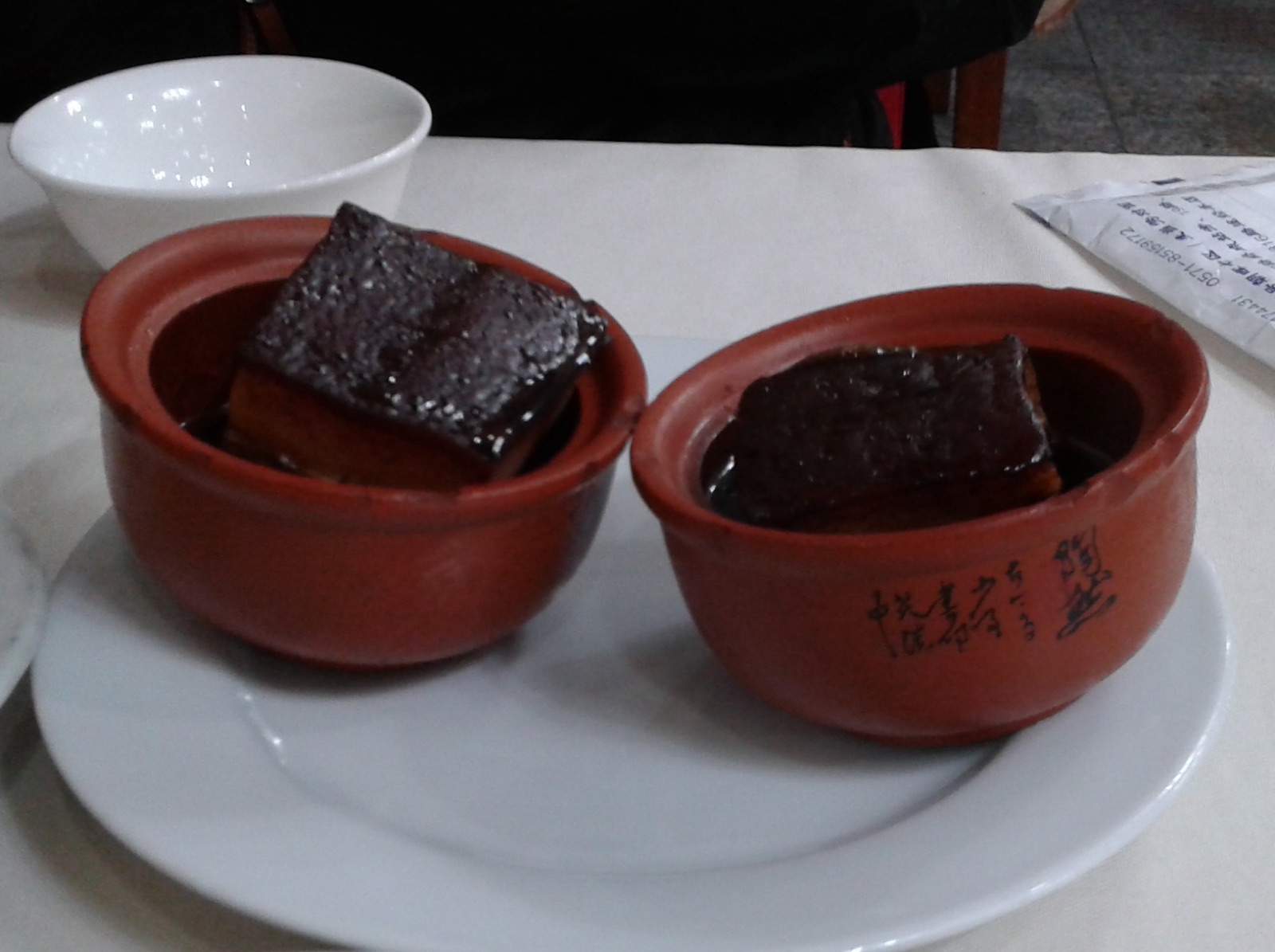
Use food by time of day. Eat pian’erchuan or another noodle breakfast before Lingyin. Try congbaohui as a hot snack near an old street. Save Dongpo pork, Longjing shrimp, West Lake vinegar fish, or Beggar’s Chicken for a proper sit-down meal. Treat West Lake vinegar fish as a curiosity rather than a guaranteed favorite; travelers often split on its sweet-sour profile.
Transport, Booking And Small Traps
Hangzhou is manageable by metro, walking, buses, and ride-hailing, but scenic-area traffic can be slow around holidays and weekends. Use AMap with Chinese place names, test Alipay or WeChat Pay before the first full day, and keep your hotel address saved in Chinese for rides back.
Check current booking and entry rules for Lingyin, Feilai Peak, Faxi Temple, Leifeng Pagoda, West Lake boats, and major museums close to travel dates. The rule that matters is not what worked for a blogger last month; it is what the official mini program, ticket page, hotel, or scenic-area notice says for your exact day.
The biggest Hangzhou trap is scenic overconfidence. The city looks soft and compact, so people overpack it. Keep the first trip to one lake day, one temple-tea day, and one optional water/heritage day. That is how Hangzhou starts to feel like itself.
Image Credits
Article and homepage images are saved locally from Wikimedia Commons: West Lake and Leifeng Pagoda by Bjoertvedt (CC BY-SA 4.0), Hermann Luyken (CC0), and Windmemories (CC BY-SA 4.0); Lingyin Temple by Windmemories (CC BY-SA 4.0) and Sumple~commonswiki (CC BY-SA 3.0); Longjing tea fields and village images by Peter K Burian (CC BY-SA 4.0) and Windmemories (CC BY-SA 4.0); Xixi Wetland by Yoshi Canopus (CC BY-SA 3.0); Gongchen Bridge by Windmemories (CC BY-SA 4.0); Dongpo pork by Pauloleong2002 (CC BY-SA 4.0). The route map uses CARTO no-label basemap tiles derived from OpenStreetMap data and includes on-image attribution to OpenStreetMap contributors and CARTO.
Step-by-Step Checklist
- 1Save Chinese place namesKeep West Lake/西湖, Broken Bridge/断桥, Flower Harbor/花港观鱼, Leifeng Pagoda/雷峰塔, Lingyin Temple/灵隐寺, Faxi Temple/法喜寺, Longjing Village/龙井村, Xixi Wetland/西溪湿地, Xiaohe Street/小河直街, and Qinghefang/清河坊 in AMap.
- 2Check temple and pagoda booking rulesLingyin, Feilai Peak, Faxi Temple, and Leifeng Pagoda can have current reservation, ticket, passport, or holiday crowd controls.
- 3Choose a practical hotel baseWulin Square, Longxiangqiao, Fengqi Road, and central West Lake edges are easier than a distant cheap hotel if you want both lake walks and evening food.
- 4Use the lake deliberatelyPick a West Lake section, boat, or causeway instead of trying to circle every famous scene in one push.
- 5Prepare payment and transportSet up Alipay or WeChat Pay, AMap, DiDi, train tickets, and Chinese hotel addresses before arrival.
- 6Respect temple etiquetteDress modestly, keep voices low, follow photography signs, and do not buy incense or services from aggressive sellers outside scenic gates.
- 7Keep a rain planHangzhou is still rewarding in mist, but boats, tea terraces, and wetland walks need flexible timing.
What to verify before you go
- Opening hours for attractions, restaurants, museums, parks, and evening viewpoints.
- Booking rules, including real-name reservation, timed entry, app-only tickets, and cancellation windows.
- Passport or ID requirements for hotels, trains, attractions, border crossings, and ticket pickup.
- Payment method accepted on the exact route or venue, plus a backup card, cash, or app wallet.
- Weather, heat, rain, air quality, and whether outdoor stops still make sense that day.
- Transport changes, metro closures, traffic controls, ferry or shuttle timing, and last-train options.
Common Mistakes
- Trying to finish West Lake, Lingyin, Longjing, Xixi, Songcheng, the Grand Canal, and every food street in two days. Use one classic lake day and one temple-tea day. Add Xixi or the Grand Canal only with a third day.
- Treating Lingyin Temple as a casual drop-in. Check current ticket and reservation rules, go early, and plan Feilai Peak, Lingyin, and Faxi as one western-hills block.
- Only seeing West Lake from the most crowded lakeside promenade. Use Broken Bridge early, Quyuan Garden, Yanggong Causeway, a boat, or Leifeng Pagoda viewpoints to spread the crowds.
- Letting a tea seller define the whole Longjing experience. Choose a known village, museum, or reputable tea house; agree on prices before tasting or buying expensive tea.
- Building the food plan around one famous lake-view restaurant. Use noodles, snacks, and food streets for low-friction meals, then book one Hangzhou-style dinner if the restaurant matters.
FAQ
How many days do I need in Hangzhou?
Two days is enough for West Lake, Lingyin, Faxi Temple, Longjing tea, and one old street. Three days is better if you want Xixi Wetland, Gongchen Bridge, the Grand Canal, or slower food stops.
Should I visit Hangzhou as a day trip from Shanghai?
You can, but a day trip usually becomes West Lake plus one temple or old street. Stay overnight if you want Lingyin, Longjing tea villages, and a calmer evening.
Is Lingyin Temple worth visiting?
Yes. Lingyin and Feilai Peak are among Hangzhou's strongest cultural stops, but they are busy and operationally specific, so verify ticket, reservation, and transport rules close to your visit.
What should I eat in Hangzhou?
Start with pian'erchuan noodles, congbaohui, Dongpo pork, Longjing shrimp, West Lake vinegar fish if you are curious, lotus root starch, and dingsheng cake. Keep expectations flexible for famous old restaurants.
Where should I stay in Hangzhou for sightseeing?
For a first trip, stay near Wulin Square, Longxiangqiao, Fengqi Road, Hubin, or another central metro area near West Lake. A tea-village stay is atmospheric but less convenient for first-time logistics.
Sources and Update Notes
- Xiaohongshu Hangzhou travel guide ask page User-provided route inspiration checked in a browser screenshot on June 2, 2026; the public page surfaced West Lake, Lingyin, Faxi, Xiaohe Street, canal/wetland ideas, food names, and booking cautions. Source images were not reused because they contain app/social UI and Chinese text overlays.
- West Lake Cultural Landscape of Hangzhou - UNESCO World Heritage Centre UNESCO source checked on June 2, 2026 for West Lake's cultural landscape status, hills, causeways, islands, temples, pagodas, and garden-design context.
- Lingyin Temple | eHangzhou Official Hangzhou source checked on June 2, 2026 for Lingyin Temple's position west of West Lake, Beigao Peak, Feilai Peak, and temple context.
- Xixi Wetland | Hangzhou Municipal Bureau of Culture, Radio, TV and Tourism Official tourism source checked on June 2, 2026 for Xixi National Wetland Park's location, scale, and urban/farming/cultural wetland positioning.
- Gongchen Bridge | eHangzhou Official Hangzhou source checked on June 2, 2026 for Gongchen Bridge as a Grand Canal landmark.
- Hefang Street and Southern Song Imperial Street | eHangzhou Official Hangzhou source checked on June 2, 2026 for Hefang Street, Qinghefang, Wushan, historic shops, and old-city context.
- Hangzhou-Style Food Tour | Hangzhou Municipal Bureau of Culture, Radio, TV and Tourism Official tourism source checked on June 2, 2026 for representative foods including West Lake vinegar fish, Longjing shrimp, Dongpo pork, pian'erchuan, congbaohui, dingsheng cake, and food streets.
- Longjing Tea | Hangzhou Municipal Bureau of Culture, Radio, TV and Tourism Official tourism source checked on June 2, 2026 for Dragon Well/Longjing tea origin and tea-house context.
- Wikimedia Commons image credits: Hangzhou article and homepage card Images saved locally from Wikimedia Commons; individual authors and licenses are documented in the article body. Route map uses CARTO no-label basemap tiles derived from OpenStreetMap data and includes on-image attribution.