Destinations
Beijing Travel Guide: 5-Day First-Time Itinerary, Great Wall and Food
Plan a first Beijing trip with a realistic 5-day itinerary for the Forbidden City, Jingshan, Temple of Heaven, Mutianyu Great Wall, Summer Palace, hutongs, food, tickets, and transport.
Quick Answer
For a first Beijing travel guide, plan four to five days instead of forcing the city into a rushed checklist. Put the Forbidden City and Jingshan together, use a separate half day for Temple of Heaven and Qianmen, reserve one full day for Mutianyu Great Wall, and keep Summer Palace as its own garden-heavy block. Stay around Qianmen, Wangfujing, Dongdan, Xidan, or Shichahai if you want shorter first-time transfers. Book high-demand sights early, carry your passport, use Beijing Subway and Alipay where they work, and leave real time for roast duck, copper-pot hotpot, hutong snacks, and slow evening walks.
Best Option by Scenario
| Scenario | Best option | Notes |
|---|---|---|
| First-time visitor with five days | Use the classic structure: Forbidden City and Jingshan, Temple of Heaven and Qianmen, Mutianyu Great Wall, Summer Palace and northwest Beijing, then hutongs and food. | This follows the user-provided Xiaohongshu route while adding visitor-focused ticket, transport, and pacing notes. |
| Three-day Beijing stop | Keep only the strongest blocks: Forbidden City and Jingshan, Mutianyu Great Wall, then Temple of Heaven plus hutongs or Summer Palace. | Skip distant add-ons and do not combine Summer Palace with the Great Wall. |
| Food-focused traveler | Anchor the trip with roast duck, copper-pot mutton, zhajiangmian, hutong snacks, and one slower neighborhood dinner. | Food works best around Qianmen, hutongs, Dongcheng, Xicheng, and local restaurant clusters rather than only inside scenic areas. |
| Family or low-friction trip | Stay central, use subway for core sights, use rides for late nights and tired legs, and book a simple Great Wall transfer. | Beijing days involve long walks even when the map looks compact. |
Detailed Guide
Beijing is the wrong city for a shallow landmark sprint. The famous sights are huge, security and ticketing take time, and the best days combine one major imperial site with one softer food or neighborhood block.
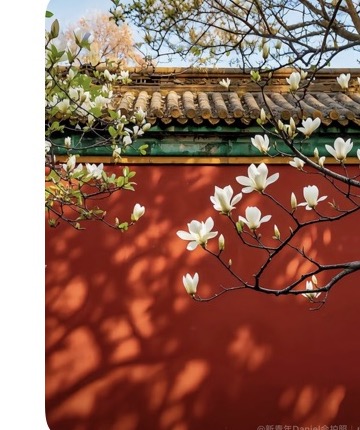
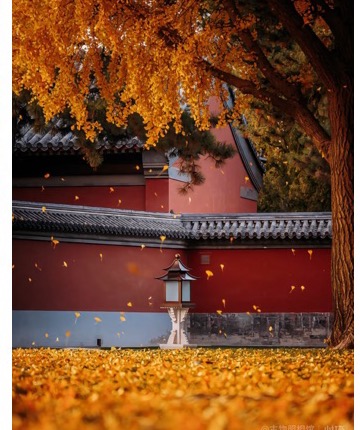
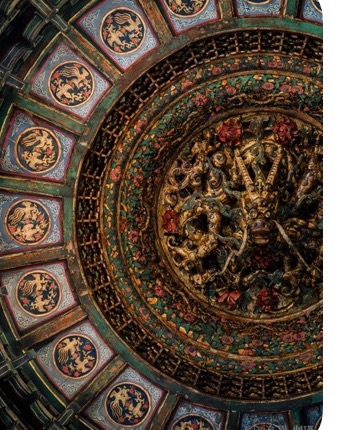
This guide adapts the user-provided Xiaohongshu route into an English first-time plan. The shape stays close to the source: Forbidden City, Jingshan, Temple of Heaven, Qianmen, Mutianyu Great Wall, Summer Palace, hutongs, and old Beijing food, with extra notes for visitors who rely on passports, translation apps, Alipay, subway, and ride-hailing.
Best Area To Stay
For a first Beijing trip, stay where the old-city route stays easy: Qianmen, Wangfujing, Dongdan, Xidan, or Shichahai. These areas keep the Forbidden City, Jingshan, Qianmen, hutongs, subway lines, food, and evening walks within a realistic travel radius.
If the price difference is small, choose the hotel that saves transfers. Beijing blocks are large, subway interchanges can involve long walks, and a tired late-night ride across town can erase the money saved by a cheaper outer-area room.
Shichahai works well if you want hutong atmosphere, lake walks, bars, and slower evenings. Qianmen and Wangfujing are more straightforward for classic sightseeing and first-time logistics. For business districts or nightlife, Sanlitun and Guomao can work, but they are less efficient for an imperial-history route.
Day 1: Forbidden City And Jingshan
Make the Forbidden City your first full sightseeing day, not an arrival-day afterthought. The Palace Museum official site says it is open Tuesday to Sunday, closed on Mondays except national holidays, and does not sell tickets on the day of visit, so reserve ahead and use the passport details required for foreign visitors.
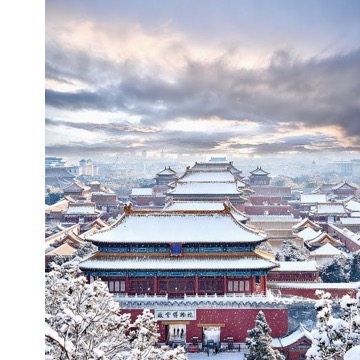
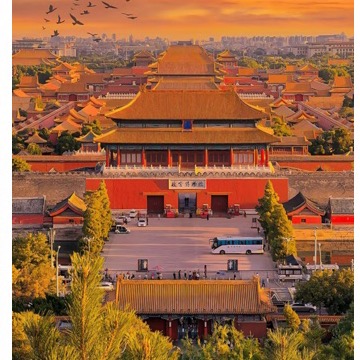
Enter from the south, follow the central axis north, then decide whether to add side halls based on energy. The official Palace Museum page describes the Meridian Gate on the south and the Gate of Divine Prowess on the north, with Jingshan immediately north of the museum, which is why this pairing works so well.
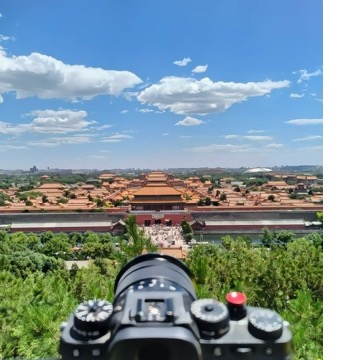
After exiting, cross to Jingshan Park for the city overview. The Xiaohongshu source recommends Jingshan for the panoramic view over the Forbidden City, especially later in the day when the light is softer. Treat it as the emotional finish to the palace day rather than another box to tick.
For dinner, the source points to roast duck, especially around the historic core. Four Seasons Minfu is a popular modern choice, while official Beijing tourism material also highlights long-running names such as Quanjude. Book or queue early, and do not make duck the only meal in your Beijing plan.
Day 2: Temple Of Heaven, Qianmen, Dashilar
Use the morning for Temple of Heaven. The official Beijing page describes it as the place where Ming and Qing emperors worshipped Heaven and prayed for harvests, with a large architectural group and good subway access near the east and west gates. Entering early gives you cooler weather, fewer crowds, and time to see local park life before the main halls get busy.
The Xiaohongshu source suggests entering from the south and leaving through the east, which is a practical sightseeing line if your next stop is food or subway. Check the current ticket and scenic-area rules before visiting; some inner scenic spots have separate hours and closures.
Spend the afternoon around Qianmen, Dashilar, and nearby hutongs. This is where the trip shifts from imperial scale to old commercial streets: shop signs, snacks, narrow lanes, old brands, and dense pedestrian flow. Do not treat it as a polished open-air museum; it is more useful as a food-and-walking block after the formality of Temple of Heaven.
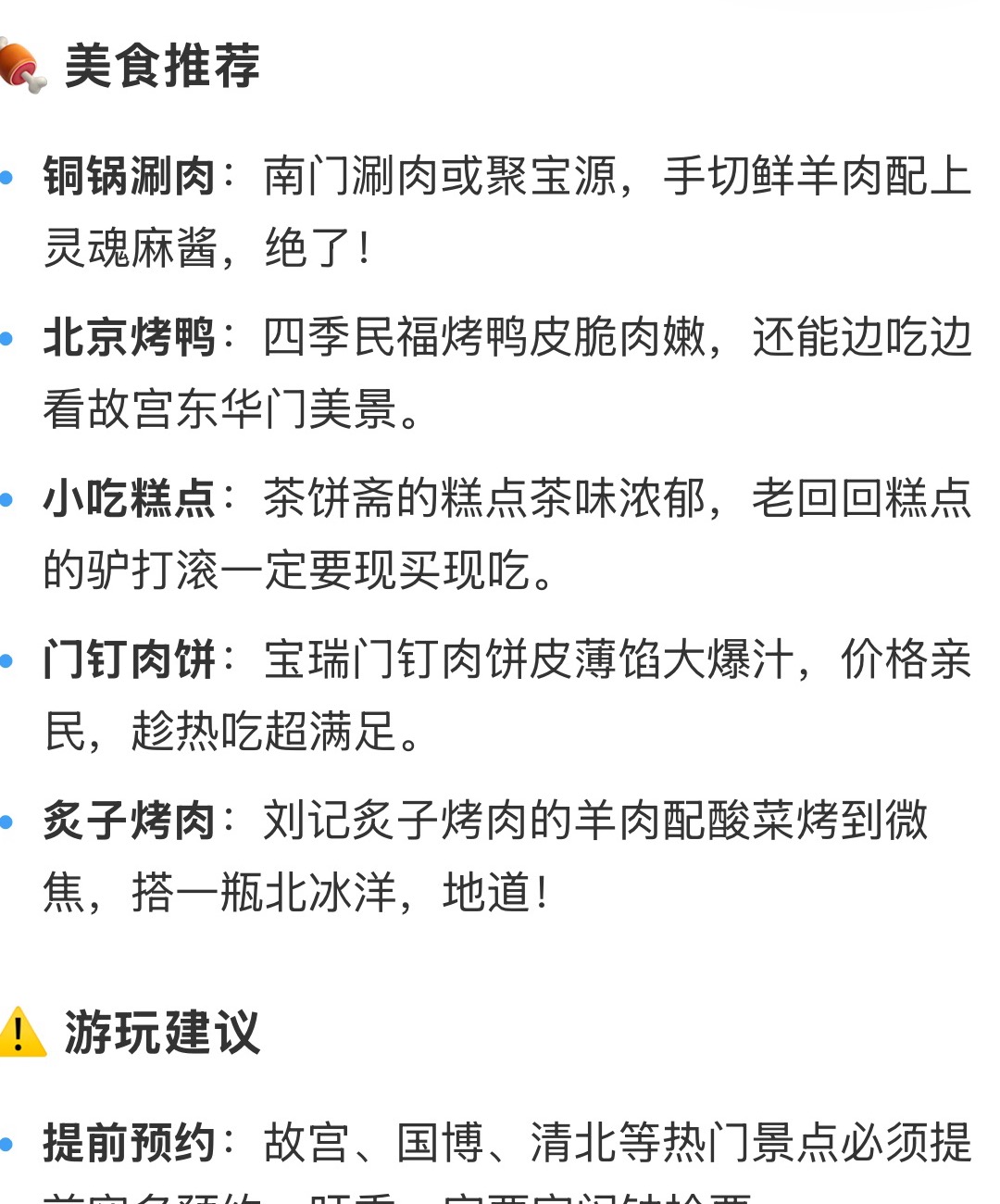
For dinner, keep it local and low-friction: zhajiangmian, men-ding meat pies, Beijing-style pastries, or copper-pot mutton if the group wants a full meal. The source specifically calls out copper-pot mutton, roast duck, snacks, meat pies, and cumin-style barbecue as easy old-Beijing food anchors.
Day 3: Mutianyu Great Wall
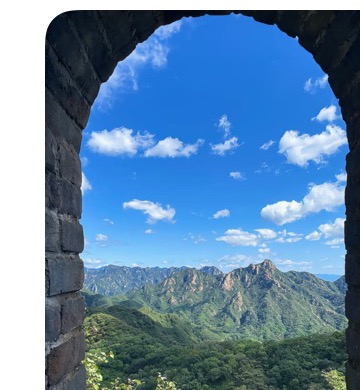
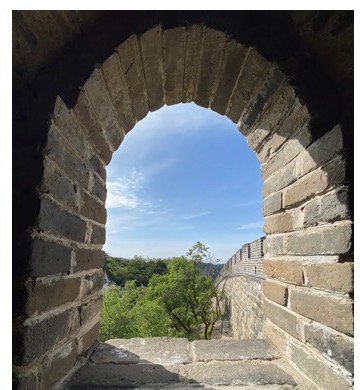
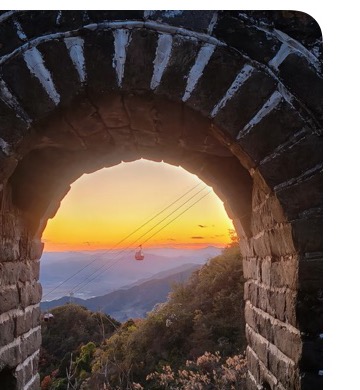
Give Mutianyu its own day. The source recommends it over Badaling for scenery and a less crowded feel, and the official Mutianyu site lists several access options: tourist lines, public transportation via Dongzhimen and Huairou, and self-driving routes. For most first-time visitors, a clear shuttle, transfer, or private ride is worth paying for if it prevents confusion on the return.
Mutianyu also has real on-site logistics. Official visitor notes separate the Great Wall ticket from shuttle bus, cable car, ropeway, slide, and other paid facilities; the same notice says foreign passport orders can enter with the original reservation document. Recheck these details near your travel date because weather, holidays, and operations can change the plan.
Choose your wall experience before you arrive. If you want lower effort, use cable car or ropeway options and walk a focused section. If you want a harder day, climb more towers, but remember the return still has shuttle, transport, traffic, and dinner to solve.
If you still have energy after returning to the city, add a simple Olympic Park night view around the Bird’s Nest and Water Cube. Keep this optional. A good Great Wall day plus a normal dinner is better than dragging the group across town only to arrive exhausted.
Day 4: Summer Palace And Northwest Beijing
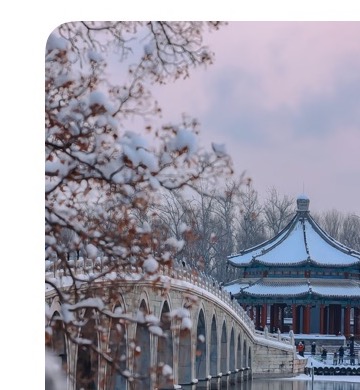
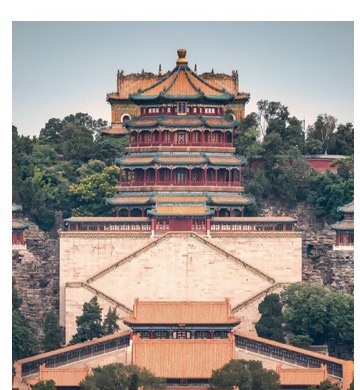
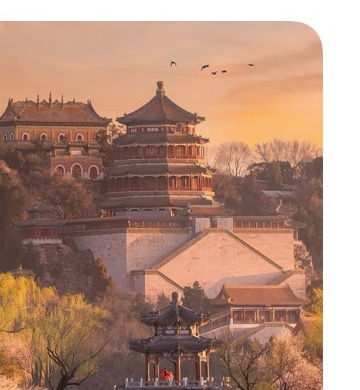
Summer Palace needs a slower mood. Official Beijing material places it in the western suburbs, about 15 kilometers from central Beijing, built around Longevity Hill and Kunming Lake, with water covering much of the site. In practice, that means you should walk it like a lake-and-garden day, not like a museum corridor.
Start with the long corridor, Kunming Lake, Seventeen-Arch Bridge, and Tower of Buddhist Incense if your ticket and energy allow. The Xiaohongshu route pairs Summer Palace with Yuanmingyuan and the university area, which can work if you start early and accept that each later stop becomes lighter.
If you only have one garden day, do not overpack it. Summer Palace alone can fill a relaxed half day. Yuanmingyuan is worthwhile if you care about imperial ruins and northwest Beijing history, but it should not come at the cost of rushing the main garden.
For dinner, Wudaokou or nearby university-area food works if you are already northwest. If you would rather avoid another transfer, return to your hotel area and eat close to base.
Day 5: Lama Temple, Hutongs, Shichahai
Use the last day for the human-scale Beijing that travelers often miss. Lama Temple, Guozijian, Wudaoying, Drum and Bell Towers, Nanluoguxiang, Yandai Xiejie, Shichahai, and Houhai can form a flexible hutong-and-lake day. The official Shichahai page describes Qianhai, Houhai, and Xihai as a mix of natural scenery, history, urban life, and traditional folk customs.
The key is to stop chasing every lane. Pick one temple or cultural site, one hutong walk, one lake section, and one meal. If you have already done four heavy days, this final day should restore the trip rather than prove endurance.
At night, choose based on energy: Shichahai lake walk, a hutong dinner, Guijie for a livelier food street, or a quiet return to Qianmen. Keep your hotel address in Chinese and use DiDi or a licensed taxi if the subway route becomes awkward late at night.
Getting Around And Booking
Beijing Subway is usually the backbone of the trip. Official Beijing guidance says the subway covers most major attractions, entertainment areas, and transport hubs, and lists four visitor-friendly ways to pay: Beijing Pass, Alipay metro QR, ticket vending machines, and staffed counters. Official material also notes supported overseas Mastercard and Visa cards for tap-to-ride service on subway lines, but you should still carry a backup payment method.
Use ride-hailing selectively. It helps for late nights, luggage, restaurant hops, and tired legs, but road traffic can be slow around major sights. For core sightseeing, subway plus walking is often faster; for the Great Wall, a planned tourist line, shuttle, or car is usually cleaner.
Book headline sights before building the rest of the day. The Forbidden City is the highest-risk ticket; museums, National Museum-style stops, and popular parks can also require real-name reservations. Keep screenshots, passport numbers, booking names, and Chinese addresses offline in case mobile data or translation briefly fails.
Shorter Versions
With one day, choose Forbidden City, Jingshan, Qianmen, and roast duck. This is the most Beijing-dense route, but only works if you already have the ticket and start early.
With two days, add Mutianyu Great Wall. Do not squeeze Summer Palace and Temple of Heaven into the same tired evening unless you enjoy transit more than travel.
With three days, use Forbidden City and Jingshan, Mutianyu, then Temple of Heaven plus Qianmen or Summer Palace. With five days, follow the full route above and leave breathing room for food, weather, and ticket changes.
Step-by-Step Checklist
- 1Book the Forbidden City earlyThe Palace Museum does not sell same-day tickets and requires advance booking; foreign visitors need passport details.
- 2Carry your passportUse the same passport for attraction reservations, train tickets, hotels, and some entry checks.
- 3Save Chinese place namesKeep the Forbidden City/故宫, Jingshan/景山, Temple of Heaven/天坛, Mutianyu/慕田峪, Summer Palace/颐和园, and your restaurants in AMap.
- 4Separate the Great Wall from city sightseeingMutianyu is a day block once transport, ticketing, cable car or hiking, and return traffic are included.
- 5Prepare subway paymentUse Alipay metro QR, Beijing Pass, vending machines, staffed counters, or supported overseas cards; keep a backup method.
- 6Wear serious walking shoesThe Forbidden City, Temple of Heaven, Summer Palace, hutongs, subway transfers, and Great Wall all add up.
- 7Plan food by neighborhoodRoast duck, copper-pot hotpot, zhajiangmian, snacks, and night food are easier when grouped near your route.
What to verify before you go
- Opening hours for attractions, restaurants, museums, parks, and evening viewpoints.
- Booking rules, including real-name reservation, timed entry, app-only tickets, and cancellation windows.
- Passport or ID requirements for hotels, trains, attractions, border crossings, and ticket pickup.
- Payment method accepted on the exact route or venue, plus a backup card, cash, or app wallet.
- Weather, heat, rain, air quality, and whether outdoor stops still make sense that day.
- Transport changes, metro closures, traffic controls, ferry or shuttle timing, and last-train options.
Common Mistakes
- Trying to see the Forbidden City, Temple of Heaven, Summer Palace, and Great Wall in two days. Prioritize the Forbidden City and Great Wall first, then choose either Temple of Heaven or Summer Palace.
- Leaving ticket booking until the morning of the visit. Reserve major museums and headline sights in advance, especially during weekends, holidays, and school breaks.
- Treating Mutianyu as a quick photo stop. Give it a full day or a very clean half-day transfer with a preplanned return.
- Booking far from the core to save a little on hotels. For a first trip, a central base can save more time than a cheaper room near the outer ring.
- Eating only at landmark restaurants. Use famous meals selectively, then add neighborhood noodles, hotpot, snacks, and simple local restaurants.
FAQ
How many days do I need in Beijing?
Five days is comfortable for a first visit. Three days can cover the Forbidden City, Jingshan, Mutianyu Great Wall, and one city block such as Temple of Heaven, Qianmen, Summer Palace, or hutongs.
Which Great Wall section should first-time visitors choose?
Mutianyu is a strong first choice if you want a scenic section with lower pressure than Badaling and practical tourist transport, cable car, ropeway, and slide options.
Where should I stay in Beijing for sightseeing?
Qianmen, Wangfujing, Dongdan, Xidan, and Shichahai are practical first-time areas because they keep the historic core, subway, food, and evening walks relatively close.
Do I need to book Beijing attractions in advance?
Yes for headline sights such as the Palace Museum and many popular museums. Use official channels where possible, carry your passport, and recheck rules near your travel date.
What should I eat in Beijing?
Start with roast duck, copper-pot mutton hotpot, zhajiangmian, men-ding meat pies, hutong snacks, Beijing-style pastries, and one local breakfast or noodle stop.
Sources and Update Notes
- Xiaohongshu Beijing travel guide Ask page User-provided route inspiration checked on May 28, 2026; public page summarized a five-day classic Beijing route, major sights, food ideas, and practical tips.
- The Palace Museum: Visit Official Palace Museum source checked on May 28, 2026 for opening days, ticket policy, passport booking note, entrance context, and Jingshan adjacency.
- The Palace Museum: Book Tickets Official ticketing source checked on May 28, 2026 for advance booking, passport details, and official channel cautions.
- Temple of Heaven Official Beijing source checked for Temple of Heaven history, layout, subway access, and hours.
- Summer Palace Official Beijing source checked for Summer Palace location, Kunming Lake, Longevity Hill, hours, ticket notes, and metro access.
- Mutianyu Great Wall: Recommended transportation routes Official Mutianyu source checked for tourist lines, public transport, and route options.
- Mutianyu Great Wall: Notice to Visitors Official Mutianyu source checked for real-name reservations, passport entry, shuttle/cable car separation, open watchtower sections, and weather cautions.
- Beijing Subway: How to Buy Tickets Official Beijing source checked for Beijing Pass, Alipay metro QR, vending machine, staffed counter, and supported card options.
- Shichahai and Houhai Hutongs Official Beijing tourism page checked for hutong and Shichahai visitor context.
- Quanjude Roast Duck Official Beijing source checked for roast duck heritage context.