Connectivity
Do I Need a Chinese Phone Number in China as a Tourist?
A practical tourist answer on when a mainland Chinese phone number matters in China, when data-only eSIM is enough, and how to handle SMS, payments, DiDi, 12306, restaurants, and local services.
Quick Answer
Most short-stay tourists do not need a mainland Chinese phone number for every part of a China trip. What they do need is reliable mobile data and at least one phone number that can receive important SMS codes from banks, airlines, email, Alipay, WeChat, ride-hailing, or booking apps. A travel eSIM is usually data-only, so it may solve internet access without giving you a Chinese number or SMS. A local SIM can help for longer stays, local deliveries, restaurant queues, local Wi-Fi portals, or services that insist on mainland SMS, but for a typical tourist trip, start with data, payment setup, and home-SIM SMS access before buying a local number.
Best Option by Scenario
| Scenario | Best option | Notes |
|---|---|---|
| Short tourist trip | Use travel data or roaming, keep your home number reachable for SMS, and do not assume a Chinese number is required. | Most arrival friction comes from data, payment, maps, and app login, not the absence of a +86 number. |
| Long stay, study, work, or local delivery needs | Consider a local SIM after arrival if mainland SMS, local contact calls, delivery, or local registrations matter. | Expect real-name registration and bring your passport. |
| Data-only eSIM user | Treat the eSIM as internet access, not as a phone-number replacement. | Many travel eSIMs do not provide a usable phone number, voice calling, or SMS. |
| Train, payment, or ride-hailing setup | Set up accounts early and keep a number that can receive verification codes. | A Chinese number may help in some workflows, but correct passport details, card support, and account verification still matter. |
Detailed Guide
The useful question is not simply “Do I need a Chinese phone number?” It is “Which trip tasks need data, which tasks need SMS, and which tasks specifically need a mainland +86 number?”
For many short trips, mobile data plus your existing number for verification codes is enough. For longer stays or deeply local services, a mainland number becomes more useful.
Translated Xiaohongshu signal
The social signal: eSIM is not the same as a phone number
Source reviewed / accessed June 20, 2026
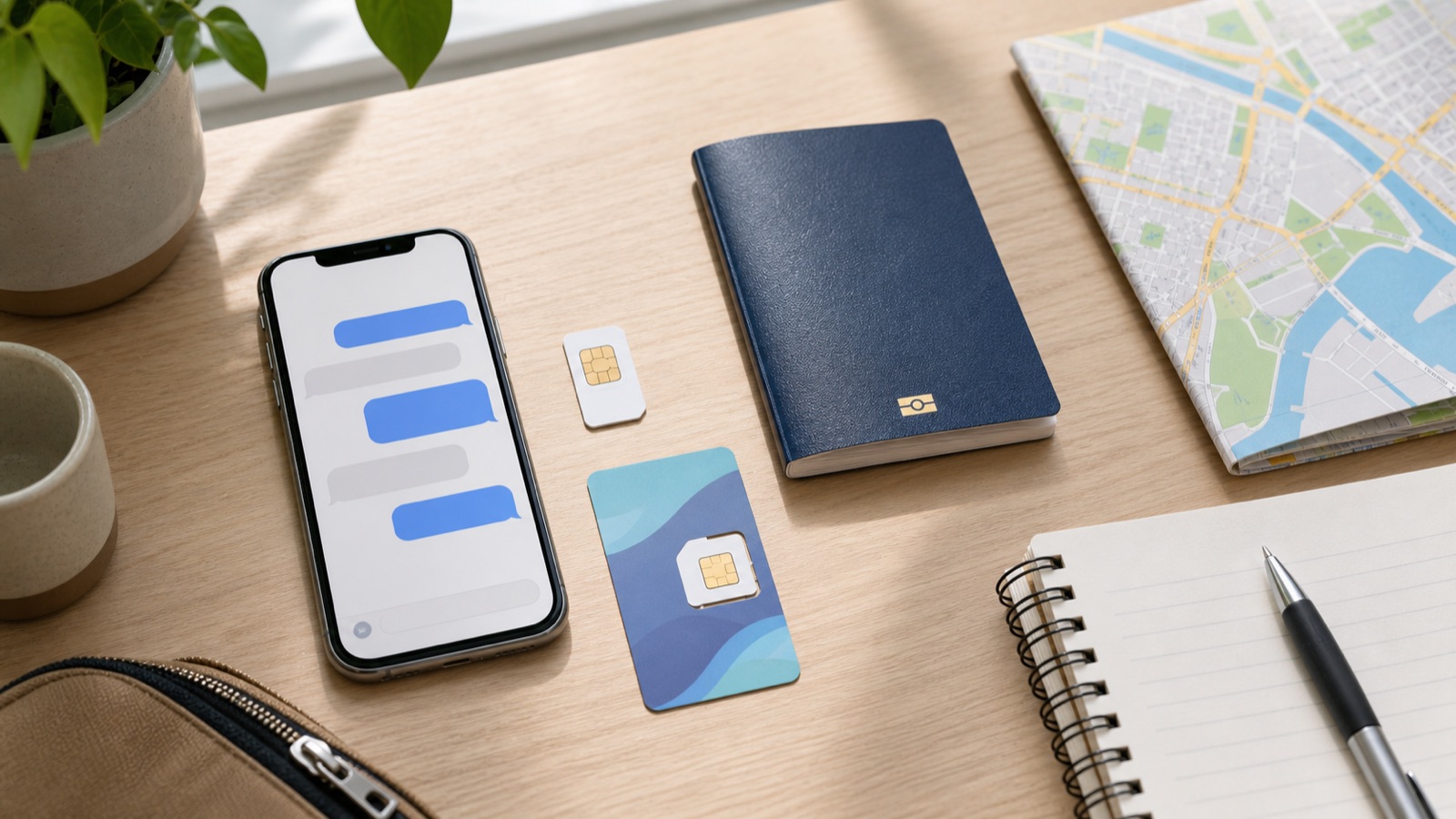
The note says a short-term eSIM can help with arrival data, but it also warns that some services may still need a mainland phone number, such as restaurant queueing or local app flows. It also mentions preparing Alipay, WeChat, maps, DiDi, and 12306 before travel.
What this means for visitors
For tourists, the real decision is not whether a +86 number is always required. It is which workflows need data only, which need SMS on an existing number, and which might truly need a mainland phone number.
Data Is Not The Same As A Phone Number
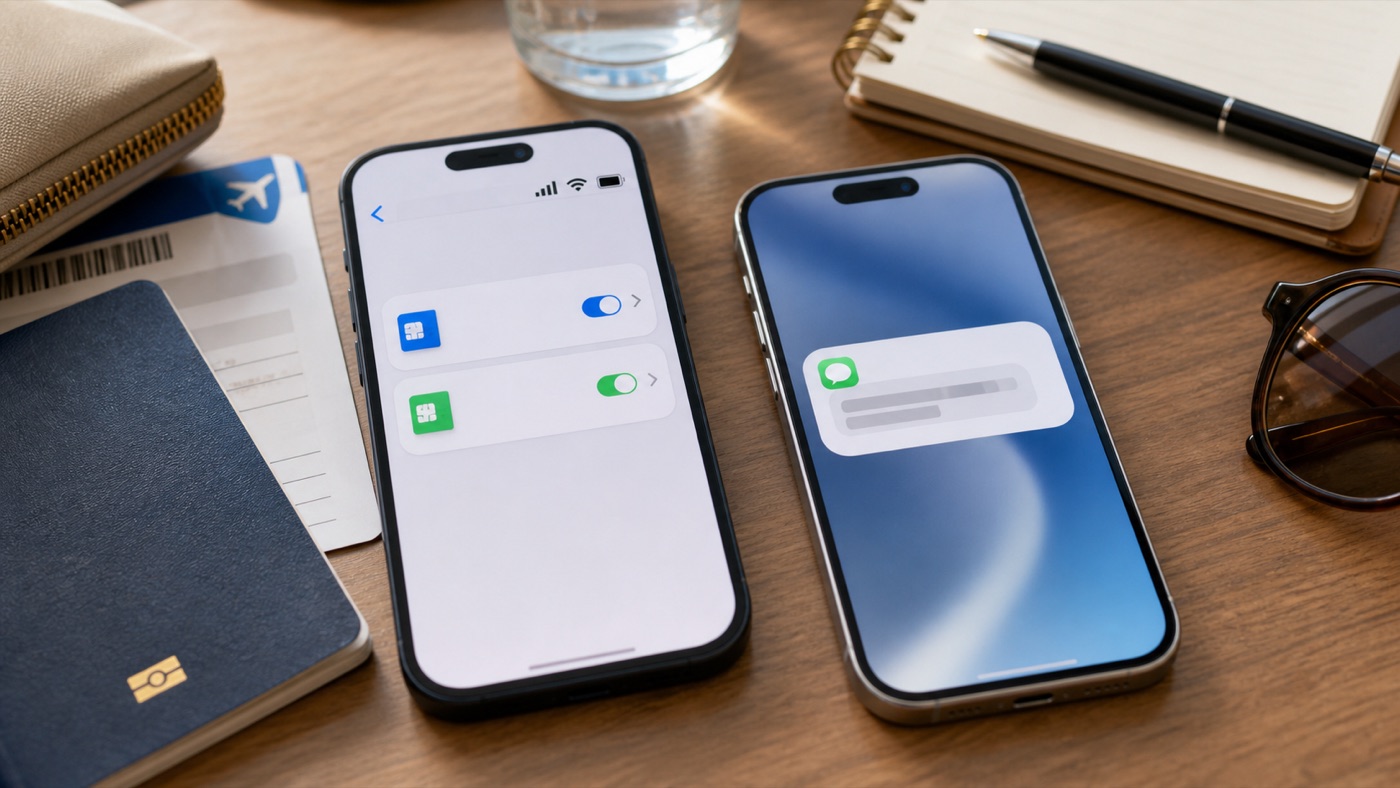
Travel eSIMs are often excellent for internet access, but many are data-only. That means they may not provide a Chinese number, voice calling, or SMS. This is fine if your goal is maps, payment apps, translation, messaging, and ride-hailing over data. It is not fine if you expected that eSIM to receive mainland SMS.
Keep the number your bank, email provider, airline, Alipay, WeChat, or card issuer already knows. Even if you turn off roaming data, you may still need that SIM or number available for verification codes.
When Tourists Usually Do Not Need A Mainland Number
You may be fine without a Chinese number if:
- Your Alipay and WeChat accounts are already set up.
- Your bank cards are linked or you have card and RMB cash backups.
- You can receive SMS on your home number.
- DiDi or your ride-hailing route works with your international number.
- You are staying in hotels rather than renting an apartment or ordering frequent deliveries.
- You are not signing up for local-only services during the trip.
This covers many first-time visitor trips of a few days to two weeks.
When A Mainland Number Can Help
A Chinese number becomes more useful when you need repeated local SMS, local delivery, apartment services, local calling, local Wi-Fi portals, restaurant queue systems, or long-stay setup. It can also help when a local service accepts only mainland-format phone numbers.
For one-off situations, do not panic. Hotels, restaurants, and guides can often help with a front-desk number, a manual note, or a staff-assisted queue. That is less elegant than having your own +86 number, but it is enough for many tourist moments.
Payments, DiDi, And 12306
Payment apps often need a reachable number for login, risk checks, or bank verification, but the number itself is not the whole story. Cards, passport prompts, transaction limits, merchant QR type, and bank risk controls can still decide whether a payment works.
DiDi currently advertises global mobile-number login and international-card payment support on its app listing, which is a good sign for visitors. Still test the account before you are standing at a pickup point.
For 12306 trains, do not assume a Chinese number fixes passport verification. The more common travel blocker is the real-name identity workflow: name order, passport number, expiry date, and passenger verification. If that fails, use the 12306 verification failed checklist.
A Practical Decision Rule
If you are visiting for a short trip, prepare this stack first:
- A working data plan: eSIM, roaming, local SIM, or pocket Wi-Fi.
- Your home number reachable for SMS and account recovery.
- Alipay and WeChat installed and tested.
- DiDi, maps, translation, and hotel addresses saved.
- A second card and some RMB cash.
If those are working, do not chase a local SIM unless your itinerary clearly needs a mainland number. If you will stay longer, order deliveries, use local services, or manage local appointments, compare local SIM options after arrival and bring your passport for registration.
Step-by-Step Checklist
- 1Separate data from phone number.A travel eSIM can provide internet without SMS or a mainland number.
- 2Keep your home SIM or home number reachable.Banks, email, airlines, and payment apps may still send verification codes to your existing number.
- 3Test Alipay, WeChat, DiDi, and train apps before departure.If setup works with your current number, do not buy a local SIM only out of fear.
- 4Identify true +86-only needs.Local delivery, apartment services, long stays, local Wi-Fi portals, and some restaurant queues are more likely to prefer mainland numbers.
- 5If buying a local SIM, bring your passport.Mainland SIM setup is normally tied to real-name registration.
Common Mistakes
- Buying a data-only eSIM because you need SMS. Check whether the plan includes a phone number, voice, and SMS before paying.
- Turning off the home SIM completely. Keep the number available for bank and account verification, even if your eSIM handles data.
- Assuming a Chinese number fixes payment or 12306 identity checks. Phone numbers can affect contact and SMS flows, but card support and passport verification still need to pass.
- Waiting until a restaurant queue or delivery app asks for a phone number. Have a hotel front-desk number, travel companion number, or staff-help fallback for one-off local flows.
FAQ
Does a China eSIM include a Chinese number?
Many travel eSIMs are data-only. Some providers state that their eSIMs do not include a local phone number, voice, or SMS, so check the exact plan before paying.
Can I use Alipay or WeChat without a Chinese number?
Many tourists set up Alipay and WeChat with an international number, but verification can vary by account, card, country, app version, and risk controls. Test before departure.
Can I use DiDi without a Chinese phone number?
DiDi's current app listing says it supports global mobile-number login, an English interface, bilingual messaging, and international-card payments. Still test your account before you need a ride.
Do I need a Chinese number for 12306 trains?
A phone number can be part of the contact workflow, but the bigger blocker for foreign visitors is usually real-name verification with passport details. Prepare a backup booking path if verification fails.
Should I buy a local SIM after arrival?
Consider it for long stays, local delivery, apartment services, local calls, or repeated mainland SMS needs. For a short tourist trip, data plus home-number SMS access is often enough.
Sources and Update Notes
- Saily: China eSIM Checked June 20, 2026 for data-only eSIM and no-local-phone-number positioning.
- Nomad Help Center: Do Nomad eSIMs come with a phone number? Checked June 20, 2026 for data-only eSIM, no traditional calls or SMS, and dummy-number caveats.
- Shanghai: Mobile payment setup for foreign visitors Checked June 20, 2026 for international-phone-number setup context and payment-app caveats.
- DiDi China: Ride Hailing on the App Store Checked June 20, 2026 for global mobile-number login, English interface, bilingual messaging, and international-card payment claims.
- ChinaJob: Transportation in China Checked June 20, 2026 for foreigner transport, 12306, DiDi, and payment context.